
ASE/EM Establishes Academy of Distinguished Alumni at UT Austin
This spring, the Department of Aerospace Engineering and Engineering Mechanics (ASE/EM) at The University of Texas at Austin established its Academy of Distinguished Alumni to honor graduates of the aerospace and engineering mechanics programs.
Twenty-four Cockrell School of Engineering ASE/EM alumni and one honorary ASE/EM faculty member have been elected to the 2019 inaugural class. These individuals are recognized for their distinguished professional careers and their dedication to the support and advancement of engineering education. The inaugural class of ASE/EM alumni includes professors, government and industry leaders, astronauts, entrepreneurs, professors, pilots, researchers and more.
“I am truly honored to recognize our outstanding alumni with the department’s newly established Academy of Distinguished Alumni,” said Noel Clemens, chair of the Department of Aerospace Engineering and Engineering Mechanics. “Our former students are out there changing the world in a big way, so it’s very exciting to bring them back to Austin to celebrate their success. I look forward to this becoming an annual tradition.”
On Friday, April 26, a banquet and ceremony will be held in Austin, Texas, to induct the 2019 inaugural class.
The inaugural members elected to the ASE/EM Academy of Distinguished Alumni are:
H. Norman Abramson
(Retired) Executive Vice President, Southwest Research Institute
B.S. Mechanical Engineering, Stanford University (1950)
M.S. Mechanical Engineering, Stanford University (1952)
Ph.D. Engineering Mechanics, The University of Texas at Austin (1956)
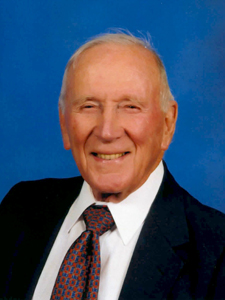
Norman Abramson retired as the Executive Vice President of Southwest Research Institute in 1991, at the completion of 35 years of service in increasingly responsible positions. During this time, he developed a nationally recognized major research and development program in solid and fluid mechanics.
Abramson’s personal contributions to problems of dynamic behavior of liquid propellants in rockets and spacecraft earned him a world-renowned reputation. He is internationally known in the field of ship structural analysis and dynamics, particularly in hydroelasticity. Besides serving as the manager or principal investigator of more than a score of significant research projects, Abramson has been extensively sought after as a technical consultant and advisor by a large number of governmental agencies and industrial concerns. He is also well known for his significant contributions to the SwRI program relating to the physical modeling of dynamic structural response.
A past chairman of both the Applied Mechanics and Underwater Engineering Divisions of ASME and technical committees on Structural Dynamics and Marine Systems of AIAA, Abramson is a Fellow of the AIAA and a Fellow and Honorary Member of the ASME. He served as Vice President, Basic Engineering of ASME (1974-78), as a member of the ASME Board of Governors (1981-82), and as a member of the AIAA Board of Directors (1978-81).
Awards received by Abramson have included the AIAA Structures, Structural Dynamics, Materials Medal (1991), the ASME Medal (1999), the AIAA Distinguished Service Award (1973), the ASME Applied Mechanics Division Award (1988) and the American Academy of Mechanics Distinguished Service Award (1992). He is a longtime member of the National Academy of Engineering and served two terms as an elected member of its governing council.
Abramson is the author of approximately 75 published research papers in engineering and scientific journals and of a well-known textbook, and he has contributed to many important monographs and other publications and industrial laboratories throughout the U.S. and Europe. He is a registered Professional Engineer.
Abramson has previously served on the ASE/EM External Advisory Board and currently resides in San Antonio, TX.
Shyam Bhaskaran
Supervisor, Outer Planet Navigation Group, Jet Propulsion Laboratory
B.S. Aerospace Engineering 1985, The University of Texas at Austin
M.S. Aerospace Engineering 1987, The University of Texas at Austin
Ph.D. Aerospace Engineering 1991, University of Colorado Boulder
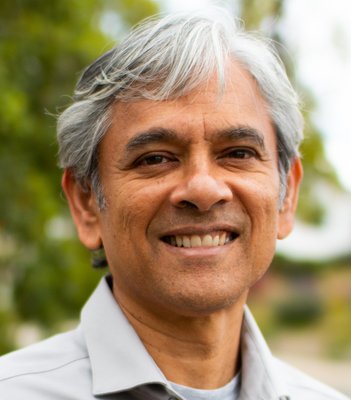
Shyam Bhaskaran is the supervisor of the Outer Planet Navigation Group at the Jet Propulsion Laboratory. He leads a group of 17 engineers responsible for the navigation of spacecraft that explore the outer Solar System. His research interests include advanced navigation techniques such as spacecraft autonomous navigation.
Bhaskaran received his bachelor of science and master of science degrees in aerospace engineering from The University of Texas at Austin and his Ph.D. in aerospace engineering from the University of Colorado.
His professional career began at the Jet Propulsion Laboratory in January of 1992 as an orbit determination specialist on the Galileo mission. Since then, he has been a member of the navigation team for several missions, including Deep Space 1 and Mars Odyssey, and led many others, including the Mars Reconnaissance Orbiter, EPOXI, the NASA components of the European Mars Express and Rosetta, and the Japanese Hayabusa missions. He served as the Team Chief for Guidance, Navigation, and Control, overseeing the successful navigation of the Stardust, Genesis, and Deep Impact missions.
Bhaskaran has been involved in formulating proposals for new mission concepts and developing innovative new technologies. He is a principal architect of a deep space autonomous navigation system, first demonstrated on the Deep Space 1 spacecraft and later adapted for the Stardust, NExT, Deep Impact, and EPOXI missions. He has been the PI or co-I on a range of technology development efforts such as high-speed kinetic asteroid impactors, terrain relative navigation, small body shape modeling, and precision autonomous navigation across the Solar System. He has more than 40 publications in refereed journals and conference proceedings.
He has served on the UT Austin ASE/EM External Advisory Board, the American Astronautical Society Technical Committee, and the Standing Review Board for the OSIRIS-REx mission. His honors include two NASA Exceptional Achievement Medals, 20 NASA Group Achievement Awards, and a NASA Space Act Award.
Bhaskaran lives in Glendale, California, with his wife, Hillary, and their daughters, Sarah and Sonia.
Robert L. Crippen
Captain USN and Former Astronaut, NASA
B.S. Aerospace Engineering 1960, The University of Texas at Austin
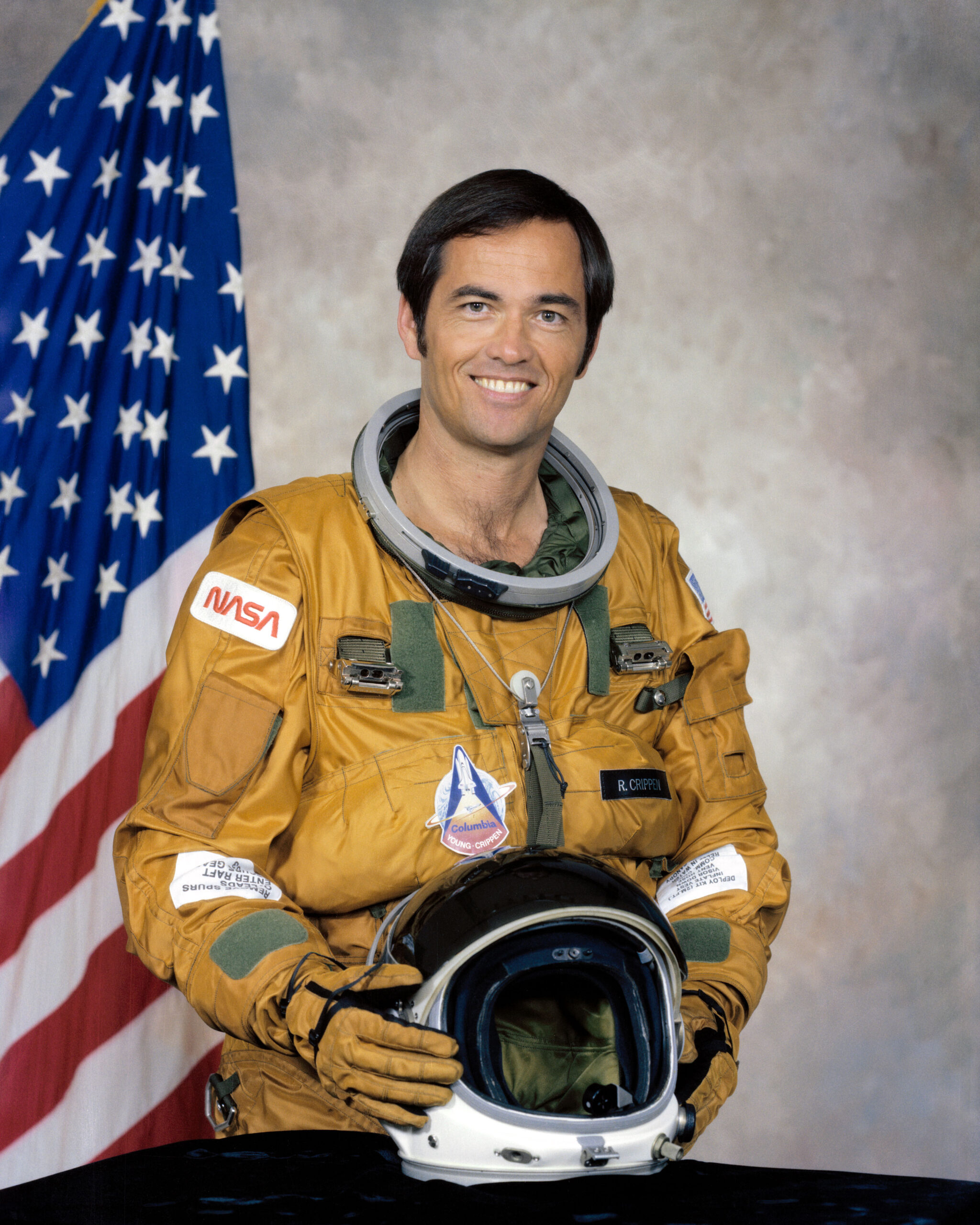
Bob Crippen was the pilot of the first Space Shuttle flight in April 1981 and went on to command three other Space Shuttle missions. He has logged more than 565 hours in space and orbited the earth 374 times.
Crippen received his bachelor’s degree in aerospace engineering from The University of Texas at Austin. After graduating, he spent 30 years in the United States Navy. He was an attack pilot aboard the USS Independence, then attended the USAF Test Pilot School and subsequently became a test pilot instructor at Edwards Air Force Base in California. In 1969 he was selected as a NASA astronaut and was on the support crew for the Skylab 2, 3, and 4 missions, and the Apollo-Soyuz Test Project.
Crippen became the director of the Space Shuttle program at NASA Headquarters in Washington D.C. and then the director of the Kennedy Space Center in Florida. He entered the private sector as a vice-president at Lockheed Martin in Orlando and then served as president of the Thiokol Propulsion Company in Utah.
Crippen has received numerous awards including the Distinguished Flying Cross from the U.S. Navy, the Defense Superior Service Medal, the Federal Aviation Administration Award for Distinguished Service, the Goddard Memorial trophy, the National Geographic Society Hubbard Medal, the Aviation Hall of Fame Award, the American Legion Distinguished Service Medal, and Leadership and Service Medals from NASA.
He was inducted into the Astronaut Hall of Fame and the Aerospace Walk of Fame and was enshrined in the National Aviation Hall of Fame in 2016. Crippen was awarded the Congressional Medal of Honor for Space. He is a Fellow in the Society of Experimental Test Pilots and a member of the National Academy of Engineering.
Crippen retired in 2001 and lives in North Palm Beach, Florida, with his wife Pandora.
Daniel Deans
Senior Vice President, Corporate Development, Millennium Engineering and Integration Company
B.S. Aerospace Engineering 1990, The University of Texas at Austin
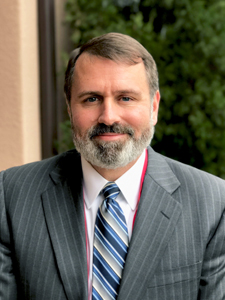
Dan Deans is a seasoned Executive and Program Manager within the Government Military and Aerospace domain, petrochemical, and semiconductor manufacturing equipment sectors with experience managing large global teams of nearly 1000 personnel, multiple subcontractors and at multiple CONUS and OCONUS sites. Dan also has extensive corporate management experience and subject matter expertise in several disciplines including Corporate Operations/Program/Project Management, Business/Corporate Development, Mission Assurance, Risk Management, and Systems Engineering. His responsibilities have included strategic growth planning, business development, business growth pipeline, corporate marketing, corporate infrastructure, and corporate employee satisfaction.
Dan has been part of the Executive team that led the merger of Millennium Engineering and Integration Company with QuantiTech, Dynamic Concepts Inc, and Systems Engineering Group in February 2021 to create a $580+M annual revenue, 2100+ employee enterprise. Previously, he led Millennium Engineering and Integration Company’s growth from $50+ annually to pre-acquisition revenue of $282M annually over the last 11+ years. For the last 1.5 years, Dan was Millennium’s Chief Operating Officer (COO) and Growth Leader, managing all corporate operations (customer facing and internal) along with Corporate growth.
Deans received his bachelor of science degree in aerospace engineering from The University of Texas at Austin. After graduation, he accepted a role with Ford Aerospace supporting NASA’s Johnson Space Center in Houston on the Space Station Freedom Program. He was employed by Ford and Loral Space Information Systems (via acquisition) for five years in various capacities, including lead engineer and engineering supervisor at NASA JSC.
In 1995, Deans began serving as lead engineer with Lam Research in Freemont, California where he assisted with the design of semiconductor manufacturing equipment. He returned to NASA JSC as a deputy program manager and program manager in the late-1990s, where he stayed until he joined The Dow Chemical Company as Global Reliability Leader in July of 2000. At Dow, Dan led a group of 25 engineers and managers at six global sites including Brazil, Germany, South Africa, Texas and Louisiana. The charter of this group was to improve productivity, which over a five year period, they were successful accomplishing, as plant production improved to over 96% of capacity. Deans has spent the last 14+ years in the National Capital Region as a Vice President for ManTech International and Millennium Engineering and Integration Company.
He is a Six Sigma Black Belt and serves in volunteer capacities on several national committees. Deans enjoys spending time with his wife and family, flying (he is a private pilot currently working to achieve an instrument rating), and playing guitar in his church worship band.
Deans is happily married to Cathy and they have four beautiful children, Kayleigh, Paige, Collin and Jonathan.
Felix Fenter
(Retired) Group Vice President – Missiles Andev Corporation
B.S. Aerospace Engineering 1953, The University of Texas at Austin
M.S. Aerospace Engineering 1954, The University of Texas at Austin
Ph.D. Aerospace Engineering 1960, The University of Texas at Austin
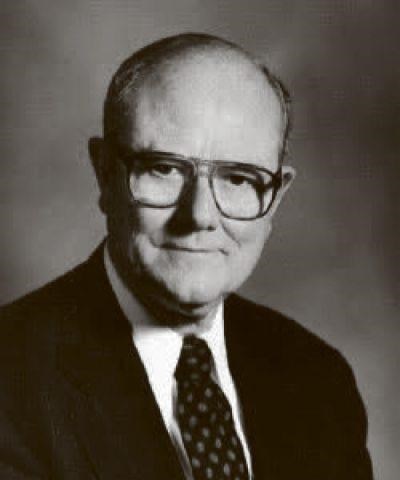
Since his semi-retirement in 1997, Felix Fenter acted as Chairman and CEO of the Andev Corporation, a technology development company that was focused on the application of automation and robotics to selected surgical procedures.
After being discharged from the Navy, Fenter received a bachelor of science (1953), and a master of science (1954) in aeronautical engineering and the first ever awarded Ph.D. (1960) in aerospace engineering, all from The University of Texas at Austin.
Fenter simultaneously spent six years on the staff of the University’s Defense Research Laboratory where he worked on various Navy missile and space programs including Terrier, Tarter, Talos and Project Vanguard. During this period, he also served on the Navy Bumblebee Aerodynamics Panel and on the Bureau of Ordinance Committee on Aeroballistics.
Before joining Andev Corporation, Fenter began his career at Chance Vought Aircraft Company in Dallas, Texas. He served as President of Advanced Programs, Operations, and Marketing of LTV Missiles Division whose major programs included the Scout Satellite Launch Vehicle, the Anti-Satellite Missile System and the Multiple Launch Rocket System to name a few. During his term, the Division became the premier developer and producer of Army missiles.
Fenter later became President of Loral Vought Systems Corporation, the successor company to LTV Missiles Division, and from there Group Vice President of Loral Corporation responsible for Loral Missiles Group consisting of Loral Vought Systems Corporation and Loral Aeronutronics Company. One of the major programs of Loral Aeronutronics Company was the Nighthawk Targeting Pod for the F-18 Fighter Aircraft.
Fenter was a Fellow of the American Institute of Aeronautics and Astronautics and a Distinguished Graduate of the College of Engineering at The University of Texas at Austin. He was inducted into the University of Texas at Arlington Engineering Hall of Achievement and was made member of the Order of Saint Barbara by the U.S. Army Field Artillery Association. He served on technology advisory committees at Texas A&M University, The University of Texas at Austin, Southern Methodist University and the University of Texas at Arlington.
Wallace T. Fowler
Professor Emeritus, ASE/EM Department, The University of Texas at Austin
B.A. Mathematics 1960, The University of Texas at Austin
M.S. Engineering Mechanics 1961, The University of Texas at Austin
Ph.D. Engineering Mechanics 1965, The University of Texas at Austin
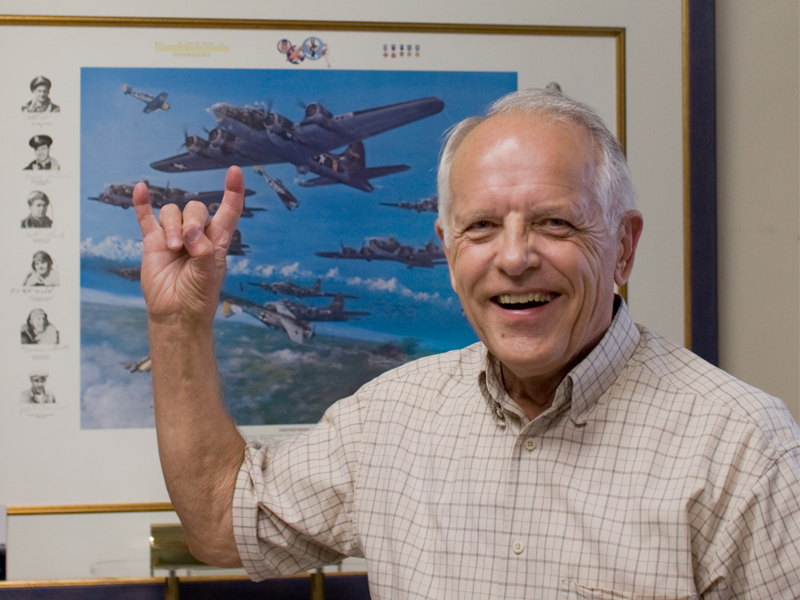
Wallace Thomas Fowler is Professor Emeritus of the Department of Aerospace Engineering and Engineering Mechanics at The University of Texas at Austin. He joined the department faculty in 1965 and held the Paul D. and Betty Robertson Meek Centennial Professorship in Engineering at the time of his retirement in 2017.
Fowler earned a bachelor’s degree in mathematics (1960), and a master’s (1961) and Ph.D. (1965) in engineering mechanics, all from The University of Texas at Austin.
He was the recipient of numerous teaching awards including the UT College of Engineering General Dynamics Teaching Award (1971), the 1984 AIAA / ASEE John Leland Atwood Award, the 1991 UT Chancellor’s Council Outstanding Teaching Award, the 1994 ASEE Fred Merryfield Design Award and the 2010 UT System Regent’s Outstanding Teaching Award.
Fowler was elected to membership in the UT Austin Academy of Distinguished Teachers in 1997. He is a fellow of both the American Institute of Aeronautics and Astronautics (AIAA) and the American Society for Engineering Education (ASEE). He served as national president of ASEE (2000-2001). His areas of teaching and research are dynamics, orbital mechanics, spacecraft and space mission design and aircraft flight testing.
He served as visiting staff at the USAF Test Pilot School during summer and fall of 1976 and as a Distinguished Visiting Professor at the US Air Force Academy (1981-82). Although his primary career focus was the aerospace undergraduate curriculum, Fowler supervised 82 MS programs and 16 PhD programs.
In 1985, he developed the Spacecraft/Mission Design course that became the space flight option capstone course of the UT Austin aerospace engineering undergraduate curriculum and taught the course nearly every semester until his retirement in January 2017.
Fowler has served as the ABET accreditation program evaluator at 24 aerospace engineering programs and one aeronautical engineering technology program since 1985. He served as Associate Director of NASA’s Texas Space Grant Consortium (1992-2001) and as its Director (2002-2017).
Fowler currently resides in Austin with his wife Marsha. He has two children and three grandchildren.
Adam Hamilton
President and Chief Executive Officer, Southwest Research Institute
B.S. Aerospace Engineering 1985, The University of Texas at Austin
M.S. Aerospace Engineering 1987, The University of Texas at Austin
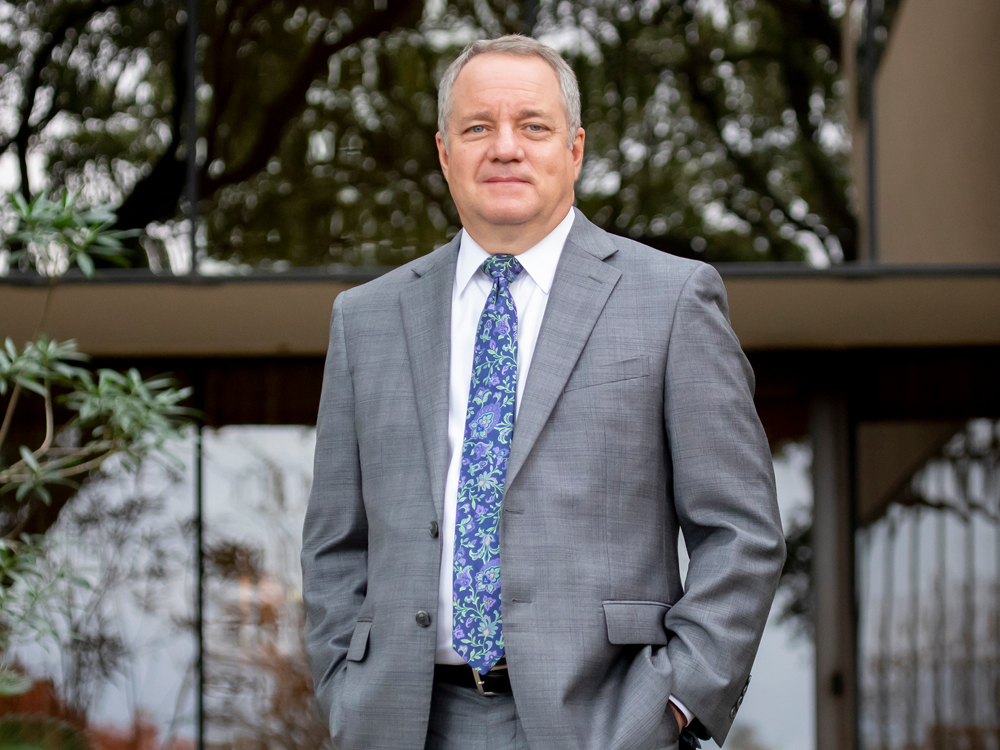
Adam Hamilton serves as President and Chief Officer of Southwest Research Institute (SwRI), a non-for-profit that provides solutions for technical challenges encountered in environments from Deep Sea to Deep Space®, and practically everywhere in between.
Hamilton holds a master’s of science degree and a bachelor of science degree in aerospace engineering, both from The University of Texas at Austin. He has been a Professional Engineer since 1993. During his career, Hamilton has provided technical expertise to myriad programs in government and industry while also providing business and community leadership. His multidisciplinary technical expertise includes aerospace, engineering, chemistry, biochemistry and risk assessment.
Before joining SwRI, Hamilton was the founding President and Chief Executive Officer of Signature Science, LLC. Signature Science, based in Austin, Texas, is now a wholly-owned subsidiary of SwRI specializing in national security, biotechnology, chemistry, environmental science and engineering.
Hamilton was recently selected as the 2020 Chair-Elect of the San Antonio Greater Chamber of Commerce. He currently serves on the Executive Committee of the United Way of San Antonio and Bexar County. He also serves on the UT Austin ASE/EM External Advisory Committee and is a Life Member of Texas Exes. He serves on the UT San Antonio Development Board and the College of Sciences Advancement Council. He is a Trustee of the San Antonio Medical Foundation and a Special Trustee of the Texas Biomedical Research Institute.
Hamilton is a member of the American Society of Mechanical Engineering Industry Advisory Board, a member of the Industry and Community Affiliates of The Academy of Medicine, Engineering & Science of Texas, and a member of the Dee Howard Foundation Board of Directors. He reached the rank of Lieutenant Commander and has served as the Future Plans Officer (N5) for the Texas State Guard Maritime Regiment and as the Deputy Director for Risk Assessment for the Texas Engineers Task Force on Homeland Security.
Hamilton married his high school sweetheart in 1984, and the Hamiltons have three adult children. Mr. and Mrs. Hamilton are in residence at the Southwest Research Institute campus in San Antonio and also maintain a residence in the Austin area.
Jeannie Leavitt
Brigadier General and Commander, Air Force Recruiting Service, U.S. Air Force
B.S. Aerospace Engineering 1990, The University of Texas at Austin
M.S. Aeronautics / Astronautics 1991, Stanford University
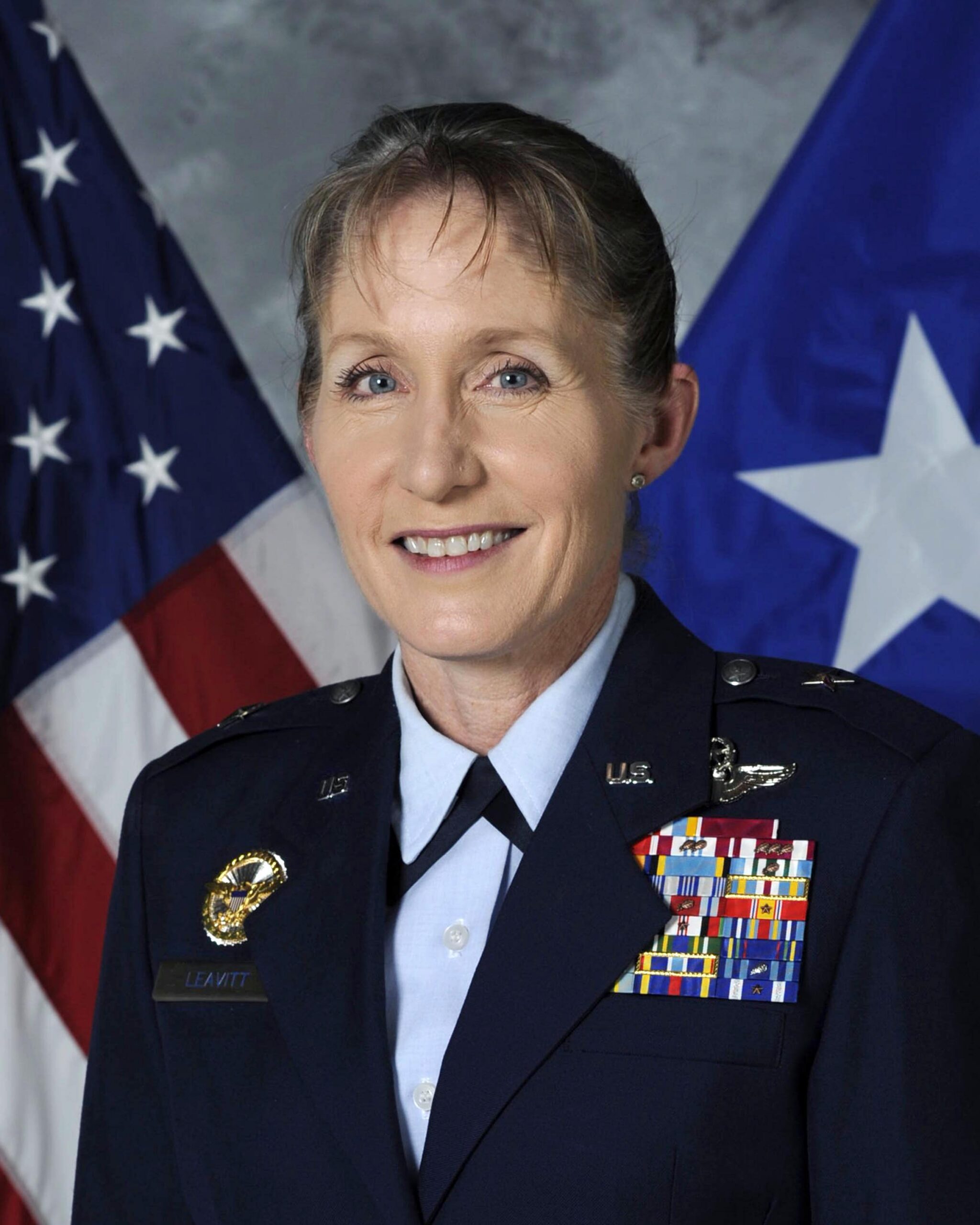
Maj. Gen. Jeannie M. Leavitt is the Department of the Air Force Chief of Safety, Headquarters U.S. Air Force, Arlington, Virginia, and Commander, Air Force Safety Center, Kirtland Air Force Base, New Mexico. She develops, executes and evaluates all of the Air and Space Forces’ aviation, ground, weapons, space and system mishap prevention and nuclear surety programs to preserve combat capability. Additionally, she directs research to promote safety awareness and mishap prevention, oversees mishap investigations, evaluates corrective actions and ensures implementation. Finally, she manages, develops and directs all safety and risk management courses.
Maj. Gen. Leavitt entered the Air Force in 1992 after earning her bachelor’s degree in aerospace engineering from The University of Texas at Austin and her master’s degree in aeronautics and astronautics from Stanford University. She earned her commission as a distinguished graduate of the Air Force ROTC program. She was the first female fighter pilot in the U.S. Air Force, and she has served in a variety of flying, staff and command assignments, and has commanded at the flight, squadron and wing level. Maj. Gen. Leavitt is a graduate and former instructor of the U.S. Air Force Weapons School and is a command pilot with more than 3,000 hours. Her operational experiences include operations Southern Watch, Northern Watch, Iraqi Freedom and Enduring Freedom.
Prior to her current assignment, the major general served as Director of Operations and Communications, Headquarters Air Education and Training Command, Joint Base San Antionio-Randolph, Texas, where she was responsible for the world’s largest training organization, providing initial skills, undergraduate flying, post-graduate combat crew and supplemental training for ore than 300,000 Air Force, joint and international personnel at 65 Air Force and Department of Defense locations.
Brian M. McKee
Co-Founder and Chairman, Millennium Engineering and Integration Co.
B.S. Aerospace Engineering 1980, The University of Texas at Austin
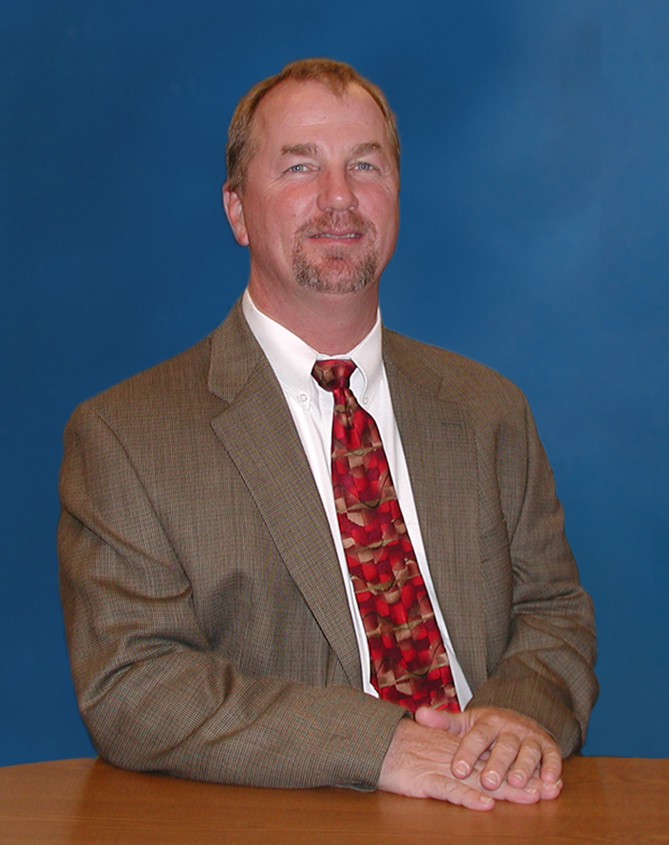
Brian M. McKee is co-founder and chairman of Millennium Engineering and Integration Company (MEI), a high-end engineering contractor providing expertise to the Army, Air Force, Navy, Missile Defense Agency, Department of Homeland Security, Office of the Secretary of Defense and NASA.
McKee received his bachelor’s degree in aerospace engineering from the Cockrell School of Engineering at The University of Texas at Austin in 1980.
McKee provides the company’s long-range vision and growth strategy, relying on his extensive technical experience in flight test planning analysis, modeling, simulation and testing of new technologies for launch vehicles, spacecraft and missile defense weapons systems. MEI has multiple offices around the country and dozens of government contracts.
Prior to founding MEI in 1995, McKee managed and directed the testing of eight prototypical kinetic energy weapon projectiles at Edwards Air Force Base in Lancaster, California. He participated in the design and development of several test facilities and programs.
He is passionate about encouraging underrepresented students to pursue aerospace engineering. Personally, and through MEI, McKee has provided more than 40 scholarships over four years to recruit and retain female students in the Cockrell School’s Department of Aerospace Engineering and Engineering Mechanics. He has supported undergraduate research positions in the department’s Texas Spacecraft and Air Systems Design labs. Additionally, MEI is the biggest benefactor for the Women in Aerospace for Leadership and Development (WIALD) student group, providing technical and financial support to enable the students to build and launch satellites and rocket payloads.
A U.S. Air Force veteran, McKee started Operation Enduring Respect, a nonprofit that brings disabled and injured veterans to sporting events, including UT Austin football games.
McKee spends his free time piloting aircraft and sailing around the world. He resides in West River, Maryland.
Thomas McKnight, Jr.
Founder, Eagle Rock Drilling, Inc. and Eagle Rock Manufacturing, Inc.
B.S., Aerospace Engineering, The University of Texas at Austin (1970)
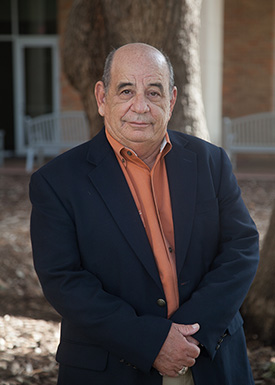
Thomas N. McKnight Jr. founded Eagle Rock Drilling Inc. and Eagle Rock Manufacturing Inc. in 2003, through which he designed and built a series of innovative hydraulic top drive drilling rigs. The intellectual property associated with his rig design was sold to LeTourneau Technologies Drilling Systems Inc. and is now owned by Schlumberger.
McKnight earned his bachelor’s degree in aerospace engineering from The University of Texas at Austin in 1970.
Upon graduation, he joined the United States Air Force and served for seven years as an F-106 Interceptor pilot for the North American Air Defense Command. In addition to flying, he also served for one year as an engineer for the Air Force Systems Command.
In 1978, McKnight began his oilfield career with Schlumberger as a field engineer in Monahans, Texas, and he became manager of the Schlumberger district office in Midland, Texas, before launching his career as an independent oil producer in 1983. He co-founded Union Royalty Inc. in 1986, becoming one of the first independent oil producers to implement a large-scale CO2 enhanced oil recovery project, and he is a recipient of the Schlumberger Wildcatter of the Year Award.
In 2017, McKnight donated $1 million to the Cockrell School’s Department of Aerospace Engineering and Engineering Mechanics to establish a student-centered signature space in the department’s newly renovated home in what is now North Office Building A on the UT Austin campus. The gift marks the largest single donation the department has ever received.
McKnight and his wife, Mimi, reside in Austin, Texas, and they have two grown daughters, Stephenie and Marcy.
Charles E. McQueary
(Retired) Director, Operational Test & Evaluation, U.S. Department of Defense
B.S., Mechanical Engineering, The University of Texas at Austin (1962)
M.S., Mechanical Engineering, The University of Texas at Austin (1964)
Ph.D., Engineering Mechanics, The University of Texas at Austin (1966)
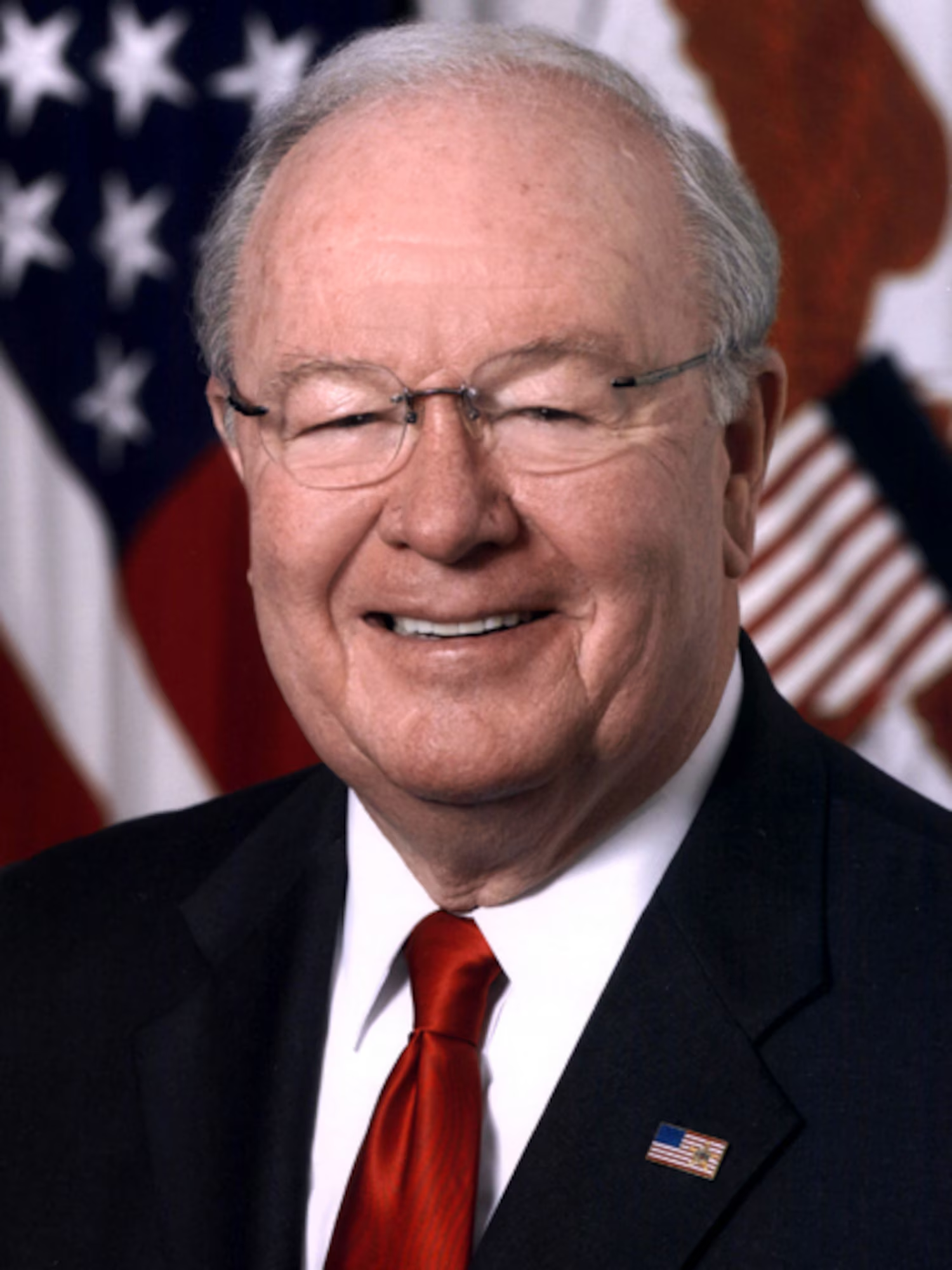
Charles E. McQueary, the first in his family to attend college, enrolled in Mechanical Engineering at UT Austin in the fall of 1958 and continued graduate studies through the award of his Ph.D. in Engineering Mechanics. During the time at UT, he was fortunate to work with Dr. Lyle G. Clark, his master’s and Ph.D. thesis advisor.
In 1966, McQueary began his career at AT&T Bell Laboratories, which provided a unique opportunity to work for a premier research and development organization. During his 21 years at Bell, McQueary focused on work for the Department of Defense, including Anti-Ballistic Missile Systems, underwater acoustic systems, and fiber optic communication systems. In 1971, he began a two-year assignment of ABM development on Kwajalein, Marshall Islands, and in 1973, he began two years of oceanographic research in Wales, United Kingdom. In 1987, McQueary transferred to AT&T in North Carolina to become Vice President, Navy Systems. The business unit was acquired by General Dynamics Corporation in 1997, and McQueary joined GD as President of Advanced Technology Systems, remaining until his retirement in 2002.
McQueary was appointed by President George W. Bush to be the nation’s first Undersecretary of Science and Technology in the Department of Homeland Security, established in 2003. S&T was responsible for leading the effort to use our nation’s scientific and technological resources to help protect the homeland. In 2006, he was appointed by President Bush to be Director, Operational Test and Evaluation for the Department of Defense, and senior advisor to the Secretary of Defense and the Congress on appropriate testing of some 300 major weapons systems.
McQueary retired from the government in 2009 and served five years as a board member of an international corporation. He continues to have an active role in the local community in Greensboro, North Carolina. He served for many years on the UT Engineering Foundation Advisory Committee and as a Board of Trustees Member for the North Carolina Agricultural and Technical University.
McQueary has been happily married to his wife, Cheryl, for almost 47 years. He is also blessed with a daughter, Joanna, son-in-law Donny and granddaughter, Carley. He is forever grateful for the excellent educational opportunities afforded by his time at UT Austin.
Dennis L. McWilliams
Managing Director, SparkMedAdvisors LLC
B.S., Aerospace Engineering, The University of Texas at Austin (1993)
M.S., Engineering Management, Stanford University (1994)
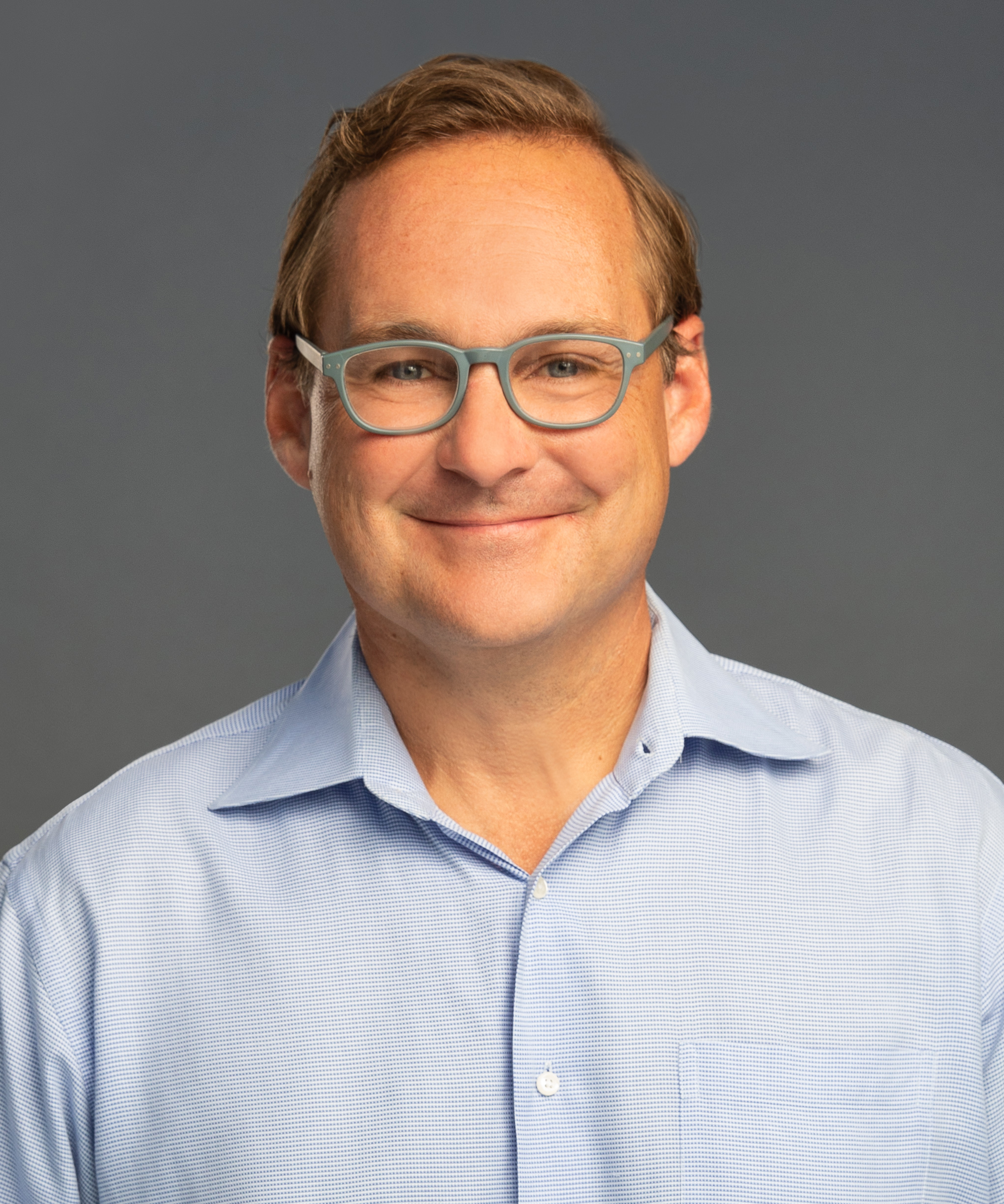
Dennis McWilliams has dedicated his career to bringing innovative life science ideas to the market. He is the founder of SparkMed Advisors, a boutique deal group focusing on bringing creative solutions to medical device commercialization.
McWilliams received a B.S. with honors from The University of Texas at Austin in aerospace engineering and a M.S. in engineering management from Stanford University.
Previously, McWilliams was the founder of Apollo Endosurgery and served as CEO for nine years from the company’s inception until 2014, where he assumed the role of President and Chief Commercial Officer. Apollo Endosurgery, Inc. is a medical device company focused on minimally invasive surgical and endoscopic devices for the treatment of obesity, gastrointestinal cancers, and other GI disorders. The company’s original technology is based on research from the University of Texas Medical Branch, Johns Hopkins University, Medical University of South Carolina and the Mayo Clinic.
Prior to Apollo‚ Mr. McWilliams was an entrepreneur in residence at PTV Sciences‚ a venture capital fund focusing on life science and medical devices. Previously, he co-founded Chrysalis BioTechnology‚ a development-stage biopharmaceutical company focused on developing novel drug therapies for tissue regeneration‚ including bone‚ cartilage and dermal soft tissue. He started his career at the IC2 Institute, a think-tank based on Austin, Texas, focused on applied research in entrepreneurship and commercialization.
McWilliams has served on the Board for the Texas Exes and the University of Texas Men’s Athletics Council. In 2007, he was given the Outstanding Young Texas Ex Award by The University of Texas, and in 2016, he was named a Distinguished Engineering Graduate of the Cockrell School of Engineering. He is a frequent speaker and lecturer on entrepreneurship and innovation in medicine and serves as faculty for the B.E.S.T. Innovations Courses taught at the prestigious IHU Institut de Chirurgie Guidée Par L’Image in Strasbourg, France, Taiwan and Brazil.
McWilliams lives in Austin, Texas, with his wife Clarissa and his boys Christian (16) and Hudson (12).
Humboldt Mandell, Jr.
Research Fellow, Center for Space Research, The University of Texas at Austin
B.S., Aerospace Engineering, The University of Texas at Austin (1957)
M.S., Engineering Administration, Southern Methodist University (1965)
Ph.D., Public Administration, University of Colorado Boulder (1988)
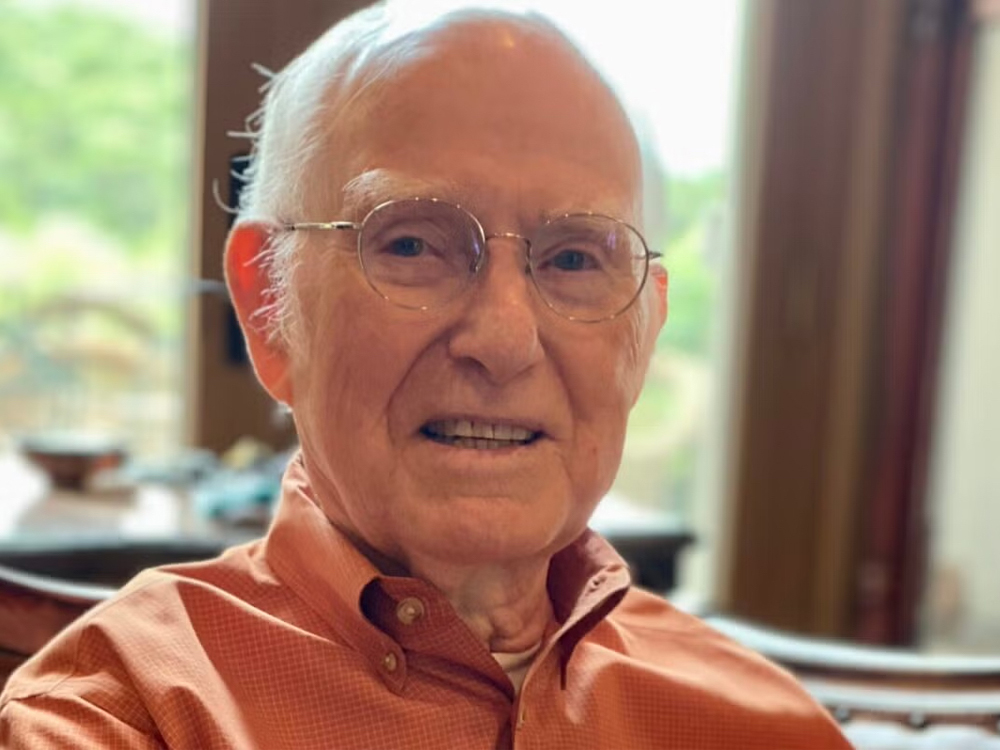
Humboldt “Hum” Mandell Jr. held NASA executive positions in the Space Shuttle, Space Station and planetary exploration programs. In the 1990s, Mandell was the manager of NASA’s Mars/Moon Exploration Program (EXPO) and also served as NASA liaison to the office of the Governor of Texas, the Texas Space Grant Consortium and the UT Center for Space Research.
He received his bachelor’s degree in aeronautical engineering from The University of Texas at Austin, a master’s of science in engineering administration from Southern Methodist University, and a Ph.D. from the University of Colorado.
Mandell twice received NASA’s Exceptional Service Medal for leading design teams on the Space Shuttle and the International Space Station. For these efforts, he was also awarded the NASA Outstanding Manager Award (AMA) and NASA Exceptional Achievement Awards.
Since his retirement from NASA, Mandell has been a Research Fellow at The University of Texas at Austin’s Center for Space Research. There, he is currently leading projects that include a summer program for exceptional high school students from across the nation working on real-life NASA programs here at UT and a Design Challenge for teams of college students from across Texas who compete for prizes in designing actual hardware for NASA. He is also a consultant to the aerospace industry.
Mandell is a past president of the Texas Exes student association, where he has endowed two scholarships.
A United States Air Force Veteran, Mandell has three daughters and four grandchildren. He is a member of Good Shepherd Episcopal Church and currently resides in Austin.
Hans Mark
Honorary Member
Chancellor Emeritus, The University of Texas System and Professor Emeritus, The University of Texas at Austin
A.B., Physics, University of California, Berkeley (1951)
Ph.D., Physics, Massachusetts Institute of Technology (1954)
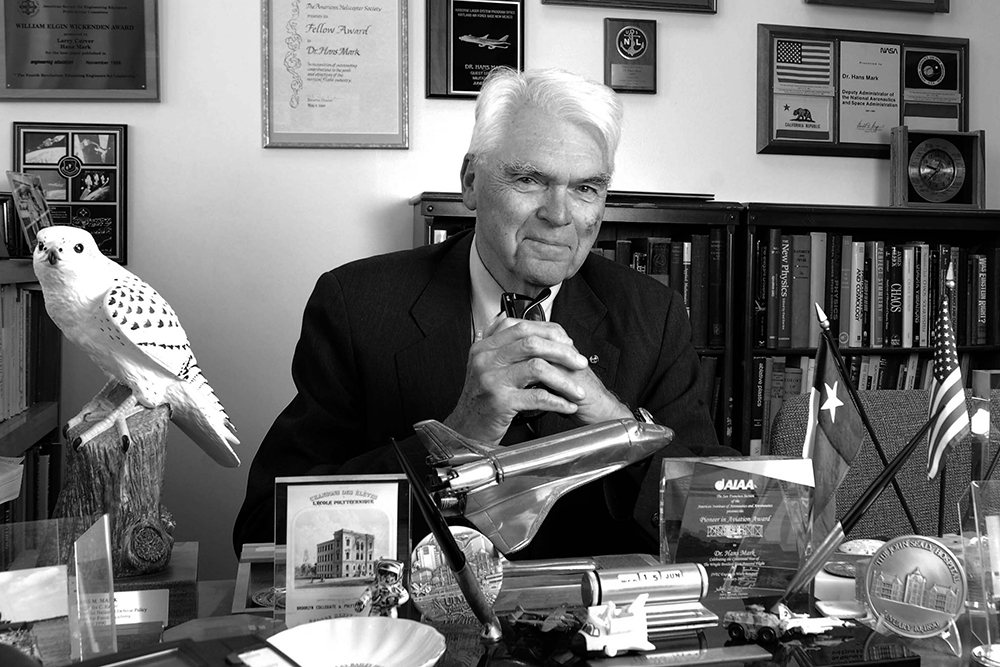
Hans Mark’s varied career began with receiving his bachelor’s degree in physics from the University of California, Berkeley and subsequently a Ph.D. in physics from MIT.
Highlights of Mark’s career begin with his position as professor and chairman of the nuclear engineering department of the University of California, Berkeley. In 1969 he became Director of NASA-Ames Research Center. During his time there, the Pioneer 10 and 11 satellites were launched for which he was awarded membership in the National Academy of Engineering. He also initiated the Bell XV-15 tiltrotor aircraft, which led to the development of the “Osprey.”
In 1977 President Carter appointed Mark as Under Secretary of the Air Force and Director of the National Reconnaissance Office. He guided the NRO through a major expansion and upgrades. In 1979 he became the Secretary of the Air Force and initiated the establishment of the U.S. Air Force Space Command. In 1981, Mark was nominated as Deputy Administrator of NASA under Ronald Reagan. During his term of service, he oversaw the first fourteen shuttle flights and initiated the International Space Station program.
After his success with the Space Station, Mark returned to academia as Chancellor of The University of Texas System, a post he held for eight years. During that time, he also joined the Department of Aerospace Engineering and Engineering Mechanics as a professor, a position he held until he retired in the summer of 2014. His time as Chancellor was a period of expansion for the UT System, adding UT-Pan American and UT-Brownsville to the system, as well as expanding research funding and adding two research consortia, MCC and SEMATECH. During his time as a professor, Mark was a revered teacher and mentor. He worked diligently, helping to develop the aerospace capstone course and leading a “Return to Mars” group. He also spent time researching for the Navy, developing the electromagnetic railgun.
In June of 1998, Mark took a leave of absence to return to the Pentagon as the Director of Defense Research and Engineering. He was the technical advisor to the Secretary of Defense and helped in the Navy’s decision to adopt defense against ballistic missiles.
Thomas L. Power
Principal, Stress Engineering Services, Inc.
B.S., Civil Engineering, The University of Texas at Austin (1985)
M.S., Civil Engineering, California Institute of Technology (1986)
Ph.D., Engineering Mechanics, The University of Texas at Austin (1995)

Tommy is a Principal at Stress Engineering Services, Inc., an engineering consulting firm located in Houston. He works in the upstream oil and gas practice, primarily on projects involving deepwater floating production facilities.
Power received a B.S. in civil engineering from The University of Texas at Austin in 1985. During his undergraduate years, he worked at the Ferguson Structural Engineering Lab and was a member of the Longhorn Band for five years, with whom he marched in Ronald Reagan’s first inaugural parade. He obtained a M.S. in civil engineering from Caltech in 1986 and worked for a summer at TRW Electronics and Defense Sector in Torrance, CA. He returned to UT Austin, where he received his Ph.D. in engineering mechanics in 1995. As an assistant instructor during his graduate studies at UT, he received the Engineering Foundation Award in recognition of “exemplary performance in engineering teaching while pursuing a graduate degree.”
After finishing his graduate studies, Power accepted an offer from Stress Engineering Services, Inc., where he has been employed since. He was promoted to Senior Associate in 2000 and then again to Principal in 2008. He has worked on a variety of projects, including test lab work as well as analytical evaluations. As a Principal, he has an ownership stake in the company and is responsible for managing work, though he still does a good bit of technical work. Most recently, he has been leading a large project which began with his relocating temporarily to Kuala Lumpur, Malaysia, to lead a design team for the top-tensioned risers on Malaysia’s first tension-leg platform (TLP) located offshore East Malaysia in 1500 feet of water. The first-phase risers are now in operation, and Power’s work is currently being conducted from Houston.
Power is a member of the American Society of Mechanical Engineers and is a licensed Professional Engineer in Texas. He has served multiple terms on the UT Austin ASE/EM External Advisory Committee and has a lifelong commitment to and enjoyment of learning and teaching others. He is a co-inventor on U.S. Patent 7,798,234 “Umbilical assembly, subsea system, and methods of use.”
Power resides near Houston and enjoys being an active member of his church. He is a baseball fan and was fortunate to be able to attend one of the recent Houston Astros World Series victories in Houston. He also enjoys woodworking and birdwatching when he is not analyzing a riser system or trying to figure out how or if something is going to buckle.
William F. Powers
(Retired) Vice President-Research, Ford Motor Company
B.S., Aerospace Engineering, University of Florida (1963)
M.S., Aerospace Engineering, The University of Texas at Austin (1966)
Ph.D., Engineering Mechanics, The University of Texas at Austin (1968)
William F. Powers retired as Vice President-Research from Ford Motor Company on December 31, 2000, where he held the post from 1996 until his retirement. He began his career with the company in 1979.
Powers received his bachelor’s degree in aerospace engineering in 1963 from the University of Florida, his M.S. in aerospace engineering (1966), and his Ph.D. in engineering mechanics (1968) from The University of Texas at Austin.
During his career at Ford, Powers served as the first Director of Product and Manufacturing Systems in North American Automotive Operations, Program Manager, Car Product Development Specialty Car Programs, where he was responsible for the Thunderbird, Cougar, and Mark VIII vehicles, and Executive Director of Information Technology. On February 1, 1996, he assumed the responsibilities of Vice President-Research.
He was at NASA Marshall Space Flight Center from 1960-65 and consulted on the Space Shuttle Program with the NASA Johnson Space Center from 1970-79. From 1968-1980, he was a professor of aerospace engineering and computer, information and control engineering at the University of Michigan, where he chaired 15 Ph.D. theses.
Powers is a member of the National Academy of Engineering, a Fellow of IEEE, ASME, IFAC, and SAE, and a foreign member of the Royal Swedish Academy of Engineering Sciences. He has served on the Sandia Nuclear Deterrence External Advisory Board since 2005 and on numerous DOE and NAE committees.
He has received Distinguished Alumnus awards from the University of Florida (2001) and The University of Texas at Austin Cockrell School of Engineering (1993), where he has also delivered commencement addresses, the Control Practice Award from the American Automatic Control Council (2004), the Nichols Medal from the International Federation of Automatic Control (2005), and inauguration into the Intelligent Transportation Systems of America Hall of Fame (2015).
Powers and his wife, Linda, reside in Boca Raton and have two children and six grandchildren.
Richard W. Smalling
James D. Woods Distinguished Chair in Cardiovascular Medicine and Director of Interventional Cardiovascular Medicine, Division of Cardiology, McGovern Medical School at UTHealth and Memorial Hermann Heart and Vascular Institute
B.S., Aerospace Engineering, The University of Texas at Austin (1970)
M.S., Mechanical Engineering, The University of Texas at Austin (1972)
Medicine, McGovern Medical School at UTHealth (1975)
Ph.D., The University of Texas MD Anderson Cancer Center UTHealth Graduate School of Biomedical Sciences (1977)
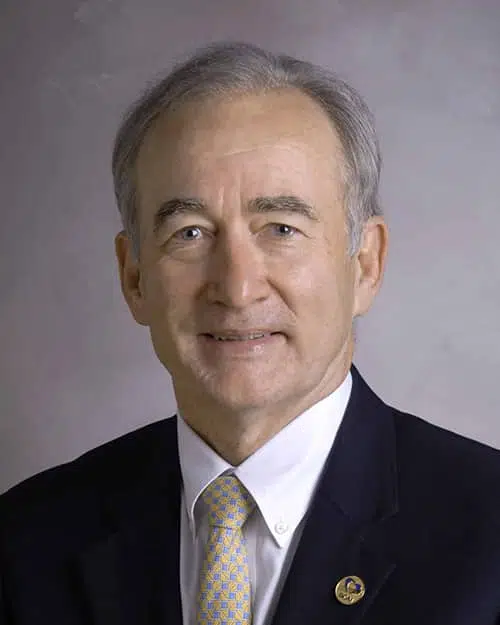
Dr. Smalling is a native Texan who received his B.S. in Aerospace Engineering and M.S.M.E. in Bio-Medical Engineering from UT Austin, and PhD from what is now The University of Texas MD Anderson Cancer Center UTHealth Graduate School of Biomedical Sciences. He is an AOA graduate of McGovern Medical School at UTHealth and did his residency training and cardiology fellowship at the University of California, San Diego. Board certified in internal medicine, cardiovascular medicine, and interventional cardiology, he is Past President of the American Heart Association, Texas Affiliate, and Past President of the Medical Staff of Memorial Hermann-Texas Medical Center, where he was also named a Distinguished Physician. He has been honored as a Distinguished Alumnus of both McGovern Medical School (1991) and the Cockrell College of Engineering at the University of Texas at Austin (1997).
Named an America’s Top Doctor for the past fifteen years, Dr. Smalling received the Distinguished Service Award from the American Heart Association Texas Affiliate in 1990. He is on the editorial boards of Catheterization and Cardiovascular Interventions, The Journal of Interventional Cardiology, and Journal of the American College of Cardiology- Interventions and is a past associate editor for Circulation. In 2016, he was named a Master in the Society of Catheterization and Cardiovascular Interventions. In addition, he holds six patents and Co-founded Windmill Cardiovascular Systems to produce a new implantable left ventricular assist device. He and his team have developed the first valveless, pulsatile flow LVAD that pumps in synchrony with the cardiac cycle and automatically changes its pumping function to optimize cardiac function.
Dr. Smalling specializes in the treatment of valvular heart disease and adult congenital heart disease percutaneously. His research interests include the development of 3-D, fluoroscopically guided structural heart interventions and the reduction of reperfusion injury by mechanical LV unloading and endothelin inhibition. Clinically, his team is actively pursuing the role of very early treatment of patients with acute myocardial infarction and evaluating new percutaneous methodologies for treating valvular heart disease.
Dr. Smalling is the author of over 250 peer-reviewed articles, 25 book chapters, 2 books, and more than 15 web-based CME articles. He and his wife Sharon have 3 children, Geoffrey, Elizabeth and Stephanie and 2 grandchildren. They enjoy cooking, cycling, skiing and traveling together.
Michael L. Smith
(Retired) Brigadier General USAF and Professor Emeritus of Aeronautical Engineering, U.S Air Force Academy
B.S., Aerospace Engineering, The University of Texas at Austin (1966)
M.S., Aerospace Engineering, The University of Texas at Austin (1967)
Ph.D., Aerospace Engineering, The University of Texas at Austin (1973)
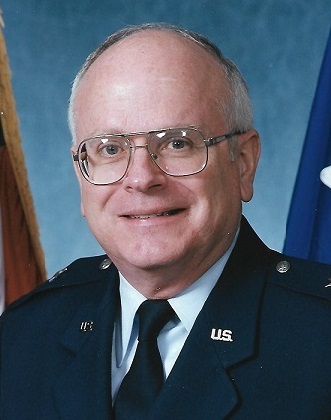
Upon his graduation from UT Austin in 1966, Smith received a commission from AFROTC as a second lieutenant in the USAF and entered graduate school, receiving his M.S. degree in 1967. After serving in a three-year space system development engineering position at Los Angeles Air Force Station, he returned to graduate school and received his Ph.D. degree in 1973.
Subsequently, he served as an associate and assistant professor in the Department of Aeronautics at the USAF Academy, where he was recognized as the outstanding professor of aeronautical engineering.
After a year at the USAF Command and Staff College at Maxwell AFB, Alabama, Smith was assigned as a branch chief at Wright-Patterson AFB, Ohio. He led an engineering group responsible for engine performance analysis of F-15, F-16, and C-130 aircraft. While at Wright-Patterson, he transferred to the Air Force Institute of Technology faculty and served as associate professor and deputy head of the Department of Aeronautics and Astronautics at the institute—the Air Force’s graduate school of engineering.
In 1985, Smith received a presidential appointment as Professor and Head of the Department of Aeronautics at the USAF Academy. There, he led a military and civilian faculty and staff of over forty individuals, teaching courses in aeronautical engineering to over a thousand cadets each year. In addition, he was responsible for the Aeronautics Laboratory—a world-class facility with hypersonic, supersonic, and subsonic wind tunnels, three operating jet engines and numerous other experimental devices and systems.
Smith retired from the Air Force in 2000 as Professor Emeritus of Aeronautical Engineering at the Academy. He is co-author, with Dr. John J. Bertin, of the textbook Aerodynamics for Engineers, published by Prentice-Hall, and is a registered professional engineer (inactive status) in Colorado. He taught at the Academy on a voluntary basis until 2015.
Smith lives with his wife, Rose Ann, in Colorado Springs.
Robert H. Smith
Chief Executive Officer, Blue Origin
B.S., Aerospace Engineering, Texas A&M University (1986)
Sc.M., Engineering (Applied Math), Brown University (1987)
Ph.D., Aerospace Engineering, The University of Texas at Austin (1991)
S.M., MIT Sloan School of Management (1998)
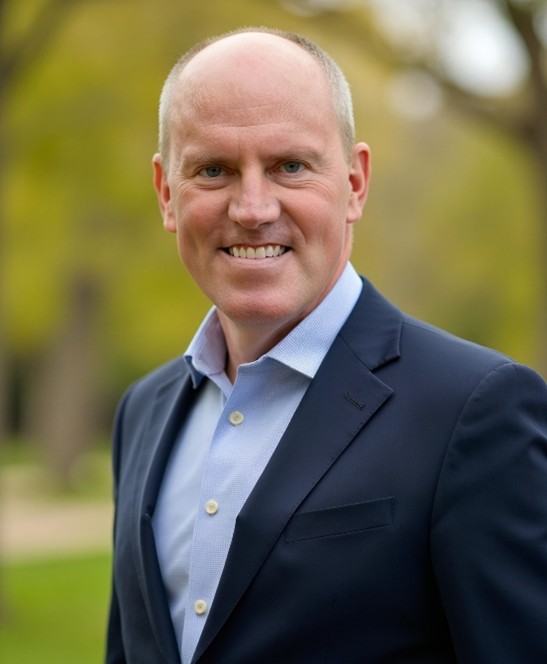
Bob Smith is Chief Executive Officer for Blue Origin, a private space company developing vehicles and technologies that dramatically improve access to space for people and payloads. He is responsible for the development of Blue Origin’s launch vehicles, engine programs and its growing business operations. He reports directly to Blue Origin’s founder, Jeff Bezos.
Smith earned a B.S. in aerospace engineering from Texas A&M, a M.S. in engineering/applied mathematics from Brown University, a doctorate from The University of Texas at Austin in aerospace engineering and a business degree from MIT’s Sloan School of Management.
Before joining Blue Origin, Smith worked at Honeywell Aerospace as Vice President of Advanced Technology, Chief Technology Officer, Vice President of Engineering & Technology and, finally, the President of the Mechanical Systems & Components business. In those roles, his responsibilities spanned basic research, major system developments, production and business operations.
Prior to these roles, Smith served as Executive Director of the Space Shuttle Upgrades Development Program for United Space Alliance, where he managed a variety of projects that ranged from very great efforts, such as major modifications that replaced the Orbiter’s auxiliary power and data handling systems, to smaller efforts, such as the development of new Shuttle tiles and landing systems.
Smith also worked at The Aerospace Corporation, where he served as a guidance, navigation and control analyst and a program manager for a number of Department of Defense and national security programs. He eventually became the leader for all of Aerospace’s NASA business and the site manager for Aerospace’s Houston operations.
Alan Stern
Associate Vice President, Southwest Research Institute
B.S., Physics, The University of Texas at Austin (1978)
B.A., AST, The University of Texas at Austin (1981)
M.S., Aerospace Engineering, The University of Texas at Austin (1980)
M.S., Civil Engineering, The University of Texas at Austin (1981)
Ph.D., Astrophysics/Planetary Science, University of Colorado Boulder (1989)
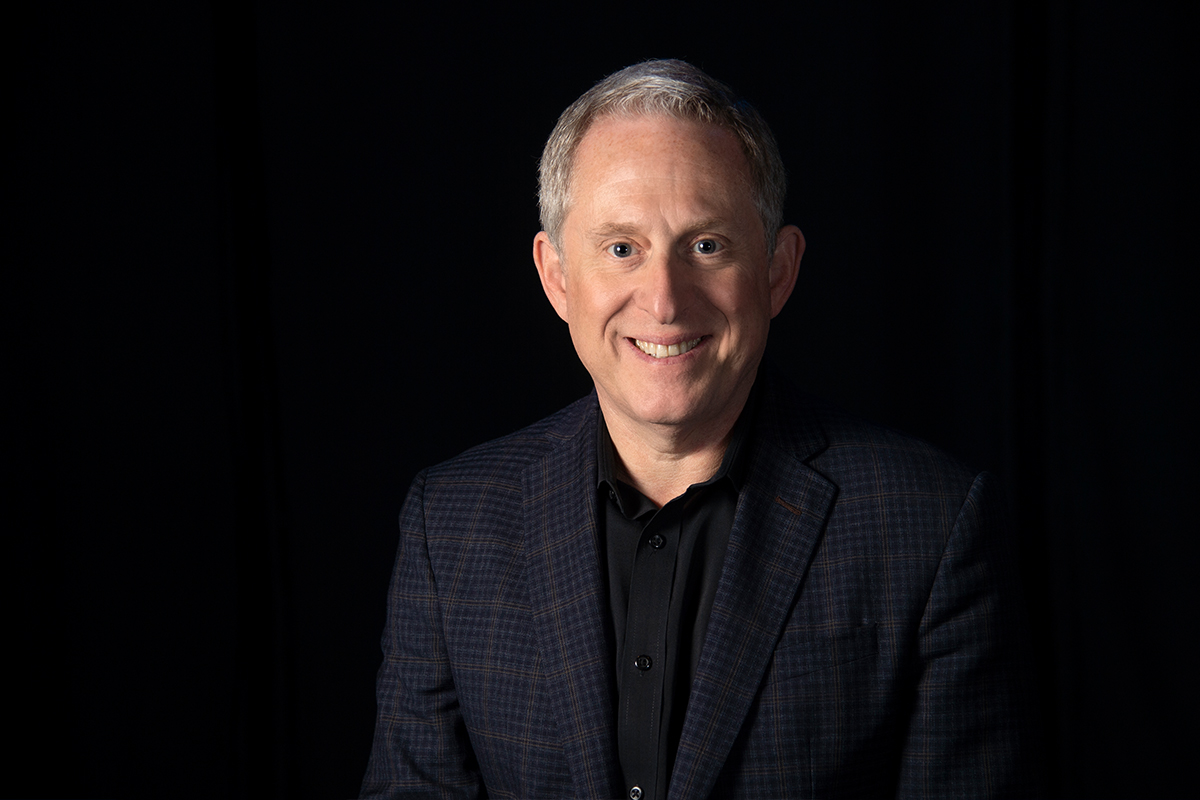
Alan Stern is a planetary scientist, space program executive, aerospace consultant, and author. He leads NASA’s New Horizons mission that successfully explored the Pluto system and is now exploring the Kuiper Belt — the farthest worlds ever explored.
Before receiving his doctorate from the University of Colorado in 1989, Stern completed twin master’s degrees in aerospace engineering and atmospheric sciences at The University of Texas at Austin (1980 and 1981). His two undergraduate degrees are in physics and astronomy, also from UT Austin (1978 and 1981).
In both 2007 and 2016, Stern was named to the Time 100. In 2007, he was appointed NASA’s chief of all science missions. Since 2009, he has been an Associate Vice President and Special Assistant to the President at the Southwest Research Institute.
Stern currently serves as the chief scientist of both World View, a near-space ballooning company. In 2016 to 2018, he served as the board chairman of the Commercial Spaceflight Federation in Washington, DC.
His career has taken him to numerous astronomical observatories, to the South Pole, and to the upper atmosphere aboard various high-performance NASA aircraft, including F/A-18 Hornets, F-104 Starfighters, KC-135 Zero-G, and WB-57 Canberras. Stern has been involved as a researcher in 24 suborbital, orbital, and planetary space missions, including nine for which he was the mission principal investigator, and he has led the development of eight scientific instruments for NASA space missions. In 1995, he was selected as a NASA Space Shuttle mission specialist finalist, and in 1996, he was a candidate Space Shuttle Payload specialist.
Stern has published over 320 technical papers and 50 popular articles. He has given over 500 technical talks and over 300 popular lectures and speeches about astronomy and the space program. He has written three books, The U.S. Space Program After Challenger (Franklin-Watts, 1987), Pluto and Charon: Ice Worlds on the Ragged Edge of the Solar System (Wiley 1997, 2005), and Chasing New Horizons (Picador 2018)
Stern lives in Niwot, Colorado, with his wife, Carole. They have three grown children.
Michael T. Suffredini
President, Chief Executive Officer and Co-Founder, Axiom Space, Inc.
B.S., Aerospace Engineering, The University of Texas at Austin (1983)
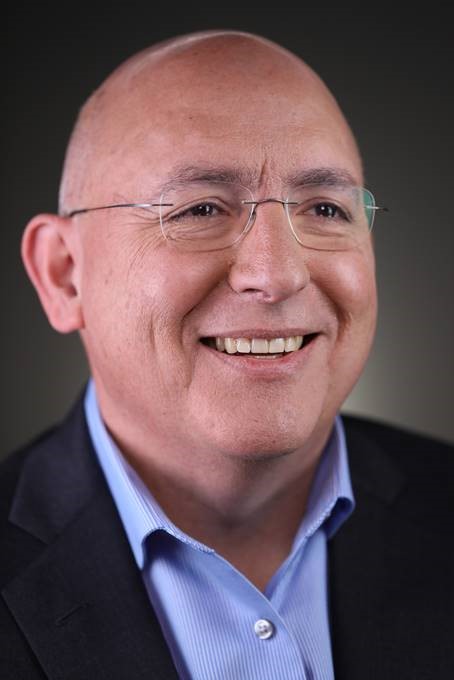
Michael T. Suffredini is President, Chief Executive Officer and Co-Founder of Axiom Space, Inc., which aims to develop the world’s first commercial space station. He has 35+ years of experience in human spaceflight and served as NASA’s International Space Station (ISS) program manager for a decade prior to his retirement in late 2015.
Suffredini earned his bachelor’s degree in aerospace engineering from The University of Texas at Austin in 1983 and joined NASA in January 1989.
As ISS program manager, Suffredini was responsible for all aspects of the program, including design, development, assembly, operation and utilization of the 460 metric ton, permanently manned international orbiting laboratory complex. The 15-nation program is the largest international peacetime project in human history. During his tenure, Suffredini successfully led the transition of the ISS program from a development and assembly focus to a research and commercial utilization focus, opening avenues for a new commercial marketplace in space.
Suffredini has received many special honors and awards, including the NASA Distinguished Service medal, the NASA Outstanding Leadership medal, the National Air and Space Museum Trophy and the Yuri Gagarin Medal. In addition, he has had both the Rank of Meritorious Executive and the Rank of Distinguished Executive conferred upon him by the President of the United States. He also received the Cockrell School of Engineering Distinguished Alumni award in 2009.
Byron D. Tapley
Professor Emeritus, ASE/EM Department, The University of Texas at Austin
B.S., Mechanical Engineering, The University of Texas at Austin (1956)
M.S., Engineering Mechanics, The University of Texas at Austin (1958)
Ph.D., Engineering Mechanics, The University of Texas at Austin (1960)
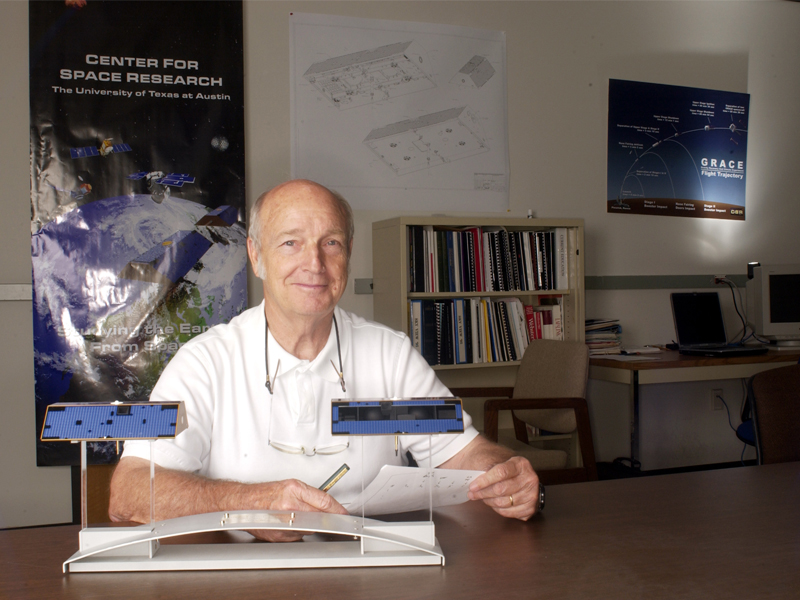
Byron D. Tapley is a research professor in the Department of Aerospace Engineering and Engineering Mechanics at The University of Texas at Austin. He held the Clare Cockrell Williams Chair in Engineering (1984-2015) until 2015 and served as Founding Director of the Center for Space Research (1983 -2015).
Tapley received a B.S. in mechanical engineering (1956), a M.S. (1958) and Ph.D. (1960) in engineering mechanics, all from The University of Texas at Austin. In 1998, he received the Doctor Honoris Causa from Delft University of Technology in the Netherlands. He is a registered professional engineer in the State of Texas and a Member of the National Academy of Engineering.
He joined the UT Austin ASE/EM faculty in 1959 and served as the department chair from 1966 through 1977. Tapley established the ASE/EM orbit mechanics program in 1961 and the UT Center for Space Research in 1983, both of which he developed into international programs of excellence for study and research. He also served as the Director of the Texas Space Grant Consortium between its inception in 1990 and 1997.
Tapley’s research interests are focused on the theory of satellite motion, precision orbit determination, and nonlinear parameter estimation in the context of applying satellite remote-sensed observations to study a range of Earth System interactions. He was instrumental in establishing the field of Satellite Altimetry in 1980 to monitor ocean circulation and global sea level rise. Since 1997, he has served as Mission Principal Investigator for the Gravity Recovery and Climate Experiment (GRACE), which established the paradigm-shifting concept of using gravity variations to monitor water movement over the Earth’s surface.
Tapley is a fellow member of AIAA, the AGU and the AAS. His awards include the NASA Medal for Exceptional Scientific Achievement, NASA Distinguished Public Service Medal, AAS Brouwer Award, the AGU Charles A. Whitten Medal, the AIAA Mechanics and Control of Flight Award, the University of Texas Hocott Distinguished Engineering Research Award and the University of Texas Joe J. King Award for Engineering Excellence. In 1999, he was selected as a Cockrell School Distinguished Engineering Graduate. He served as a member of the NRC SSB and ASEB, as a member of the NASA Advisory Committee and Vice Chair of the NASA NAC Science Committee.
Tapley continues his association with UT Austin and with the Austin community at large. He spends his free time sailing and enjoying musical activities.
Michael Watkins
Director, NASA Jet Propulsion Laboratory
B.S., Aerospace Engineering, The University of Texas at Austin (1983)
M.S., Aerospace Engineering, The University of Texas at Austin (1985)
Ph.D., Aerospace Engineering, The University of Texas at Austin (1990)
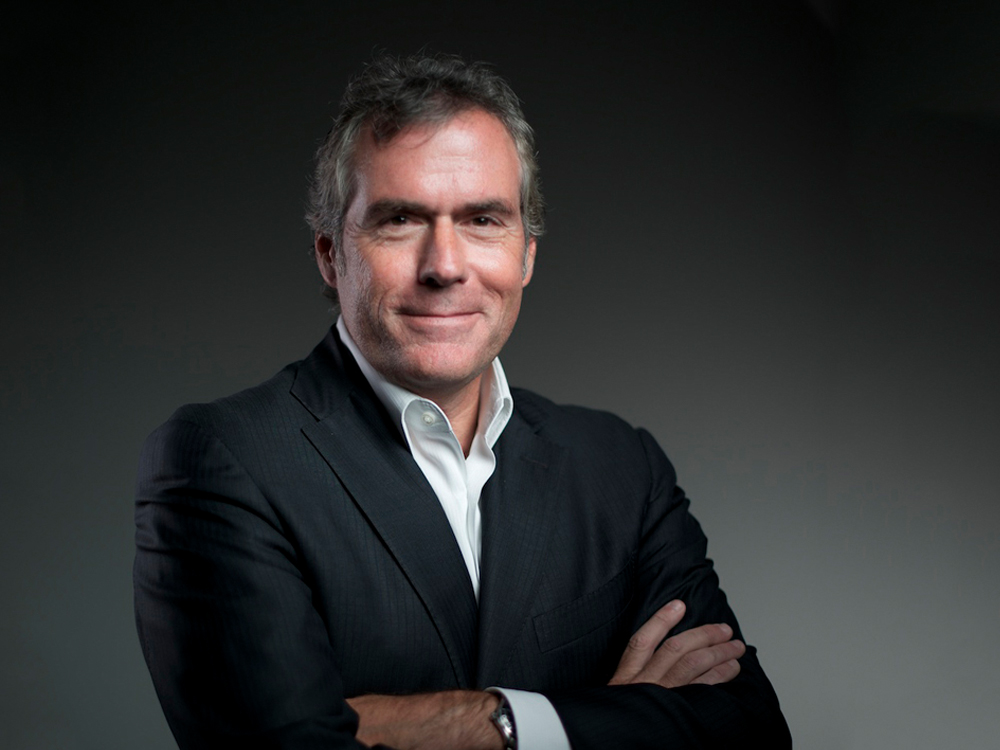
Michael M. Watkins became Director of JPL on July 1, 2016 and served in this role for five years. In this role, he also served as a vice president of the California Institute of Technology, which staffs and manages JPL for NASA. He is now serving as a professor of aerospace and geophysics at the California Institute of Technology.
Watkins earned his bachelor’s, master’s and Ph.D. degrees in aerospace engineering from The University of Texas at Austin.
An engineer and scientist, Watkins was previously on the staff of JPL for 22 years. In 2015-16, he spent a year at the University of Texas at Austin, where he held the Clare Cockrell Williams Chair in Engineering and was director of the university’s Center for Space Research.
During his JPL career, Watkins served as chief scientist for the laboratory’s Engineering and Science Directorate, manager of JPL’s Science Division and manager of its Navigation and Mission Design Section. He was the mission manager from development through landed operations for the Mars Science Laboratory mission, which sent the Curiosity rover to Mars. He also led NASA development and review teams for the Cassini, Mars Odyssey and Deep Impact robotic space missions.
Watkins served as project scientist for the GRACE, GRAIL and GRACE Follow-On missions. He was an originator of the concept for the GRACE mission, which uses a pair of Earth-orbiting satellites to make detailed measurements of Earth’s gravity field anomalies. In addition, he has been a pioneer in the development and use of gravity data for new science applications to better understand Earth’s climate and its evolution. Other research interests include mission design, instrument design and science analysis for acquisition and use of remote sensing data for Earth and other planets.
Watkins currently resides in California.
K.C. Williams
(Retired) Vice President – Engineering, Exxon Mobil Corp.
B.S., Aerospace Engineering, The University of Texas at Austin (1972)
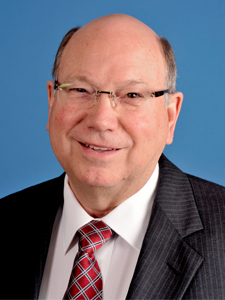
K.C. Williams, who earned a bachelor’s degree in aerospace engineering at The University of Texas at Austin in 1972, returned to Austin after a 34-year career in the oil industry spanning 40 countries on six continents. He and his wife, Theresa, remain engaged with the university through the Chancellor’s Council Executive Committee, Engineering Advisory Board, Oschner Lifelong Learning, and support for young engineers, where they also became the initial sponsors of the Longhorn Rocketry Association.
After working five terms as an engineering co-op at General Dynamics on the F-111 supersonic aircraft, Williams embarked on a career with Humble Oil and Refining as a drilling engineer. He held positions of increasing engineering and management responsibility in Texas and Louisiana before being assigned to Exxon Corporation in New York. Williams returned to Louisiana as Offshore Division Manager, and then to Texas as U.S. Operations Manager, Production.
Williams was appointed Vice-President, Production for Exxon Company International in 1992 with responsibilities including worldwide floating drilling and new business initiatives in Russia, Africa, Indonesia, China and the Middle East.
In 1999, he was elected Director and Senior Vice-President of Imperial Oil Limited, and President and CEO of Imperial Oil Resources. He led an unprecedented collaboration between industry and Aboriginal communities in the Northwest Territories, resulting in a historic agreement marking the first time in Canadian history that Aboriginal groups had the opportunity to participate as owners in a multi-billion-dollar industrial project.
In 2004, Williams was appointed Vice-President, Engineering, ExxonMobil Upstream Research Company, where he was an advocate for high-impact research programs with a focus on liquefied natural gas, deepwater, and tight gas.
Family and community service have always been a priority for Williams, who has two children and four grandchildren. He served in the Texas Air National Guard, U.S. Air Force Reserve, and on boards for the United Way.
Stephanie Wilson
Astronaut and Branch Chief of the Mission Support Crew, NASA
B.S., ES, Harvard University (1988)
M.S., Aerospace Engineering, The University of Texas at Austin (1992)
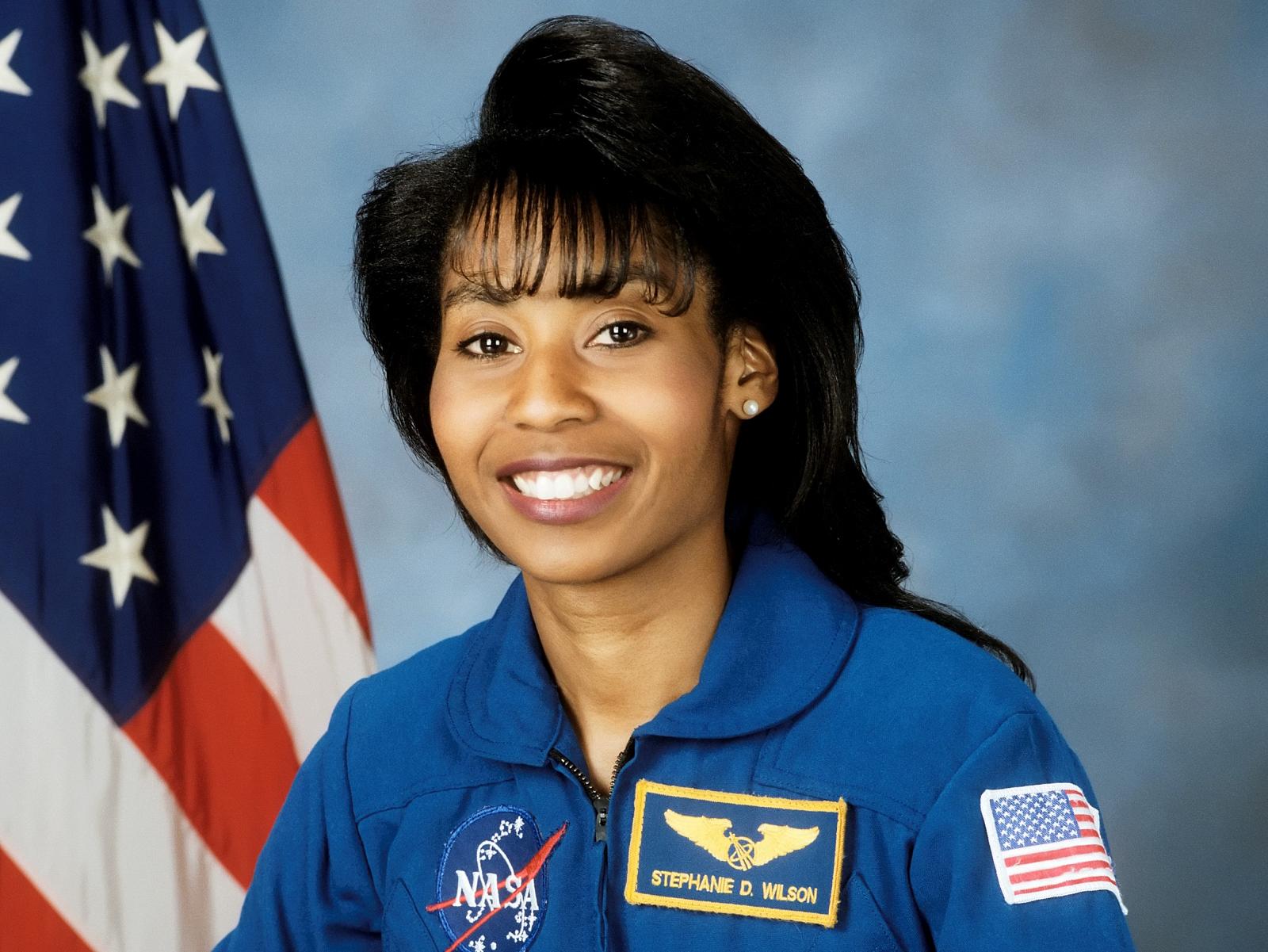
Stephanie D. Wilson is a NASA Astronaut, a veteran of three spaceflights, STS-120, STS-121 and STS-131 and has logged more than 42 days in space. Within the Astronaut Office, she is currently the Mission Support Crew Branch Chief.
Wilson received her bachelor’s degree in engineering science from Harvard University and her master’s degree in aerospace engineering from The University of Texas at Austin.
Prior to working at NASA Johnson Space Center, Wilson worked for the former Martin Marietta Astronautics Group in Denver, Colorado, as a loads and dynamics engineer for the Titan IV program. She also worked for the Jet Propulsion Laboratory in Pasadena, California, as a member of the Attitude and Articulation Control Subsystem team for the Galileo spacecraft. Once at NASA Johnson, Wilson has served in various positions within the Astronaut Office, including Chief of the Space Station Integration Branch, Capsule Communicator, technical duties involving the space shuttle main engines and solid rocket boosters and assignments within the Robotics branch, the Exploration branch and the Space Station Operations branch. Also, as part of a rotational opportunity, Wilson completed a detail to NASA’s Glenn Research Center as the Acting Chief of Program and Project Integration within the Spaceflight Systems Directorate.
Wilson has been the recipient of several awards, including the Young Outstanding Texas Exes Award, the University of Texas Distinguished Alumnus Award, the Harvard Foundation Scientist of the Year Award, the Harvard College Women’s Professional Achievement Award, and Honorary Doctorates of Science from Williams College, Smith College, and Massachusetts College of Liberal Arts. She has received several awards from NASA, including NASA Space Flight and Distinguished Service Medals, Johnson Space Center Director’s Innovation Group Achievement Award and Johnson Space Center Director Commendation Award.
Dedicated to service and volunteerism, Wilson is a member of and serves on the boards or advisory committees of many organizations, including American Institute of Aeronautics and Astronautics, Association of Space Explorers, Society of Women Engineers, Astronauts Memorial Foundation, Smithsonian American Women’s History Initiative, and Gulf Coast Apollo Chapter of The Links, Incorporated.