
2022 ASE/EM Academy of Distinguished Alumni
Ten Texas Engineering alumni of the Department of Aerospace Engineering and Engineering Mechanics (ASE/EM) at The University of Texas at Austin have been elected to the ASE/EM Academy of Distinguished Alumni for 2022.
The ASE/EM Academy of Distinguished Alumni was established in 2019 with the vision to foster excellence within the aerospace engineering, engineering mechanics and computational engineering programs in the UT Austin ASE/EM Department through recognition, participation, encouragement and support of the department.
Members are recognized and honored by the academy for leading distinguished careers that include outstanding technical contributions, excellence in leadership and dedication to improving communities.
This year’s class of distinguished alumni includes academic leaders and professors, entrepreneurs, consultants, corporate and military leaders, pilots, researchers and more.
The members elected to the ASE/EM Academy of Distinguished Alumni for 2022 are:
Thomas J. Eller
Professor, United States Air Force Academy (Retired)
B.S., Engineering Science, USAF Academy (1961)
M.S., Aeronautics and Astronautics, Purdue University (1968)
Ph.D., Aerospace Engineering, The University of Texas at Austin (1974)
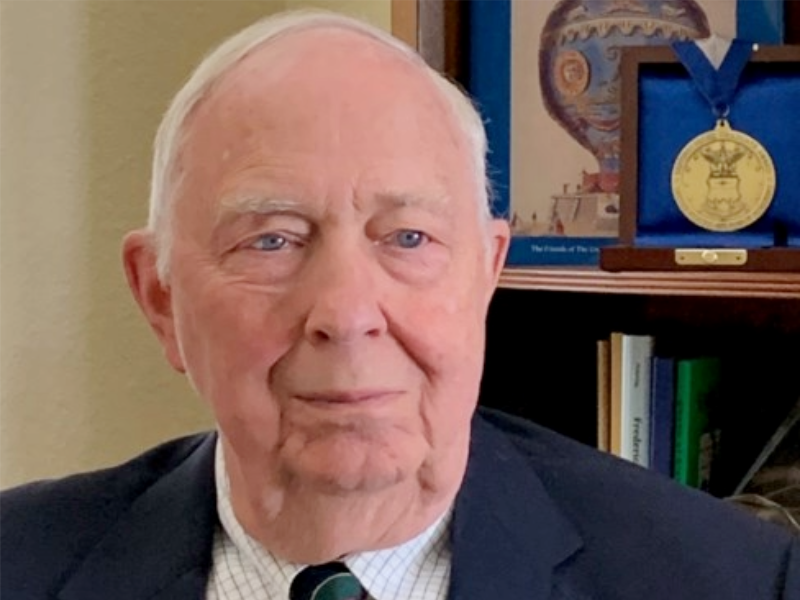
Prior to coming to The University of Texas at Austin to pursue his Ph.D., Tom Eller served for ten years as a pilot in the U.S. Air Force (USAF), including flying C-130s to 42 countries and Caribous (C7As) in Vietnam for a year, earning several combat medals. He taught astronautics and computer science at the Air Force Academy from January 1969 through June 1971. In the summer of 1971, Eller went to Florida to manage the math research for one of the systems on the new C-130E gunship in its test program at Eglin and Hurlburt AF Bases. In addition, he piloted test flights and tested the guns. (The gunship had a 20mm Gatlin Gun, two 40mm Bofors L/60 guns, and a 75mm Howitzer.)
Following his time at UT, Eller returned to the faculty at the Air Force Academy in January of 1974 to teach and perform research on Global Positioning System (GPS) satellites and receivers. He continued to teach at the Academy until he retired from the Air Force at the end of 1981.
Immediately following his time at UT in January 1974, Tom attended a meeting at the USAF Academy held by Colonel Brad Parkinson, head of a Joint Program Office in Los Angeles, to procure a new satellite navigation system. Parkinson and his staff provided their thoughts on how to proceed. Periodically, Eller said, “That won’t work,” calling upon his recent work at UT.
Later in the day, Eller’s department head called him in and told him he and two other USAF Academy professors were being sent to Los Angeles for several months to serve on the original Source Selection Board for GPS. This led to years of continued work on GPS.
While at the USAF Academy, Eller taught thirty-nine semester-long courses to 1,072 students in the Astronautics and Computer Science department. He also served as Composite Group Air Officer Commanding (AOC) for soaring, free-fall parachuting and Survival, Escape and Evasion. He then served as 2nd Group AOC (10 Squadrons, 1,000 cadets) for the next year. During the same timeframe, he also flew an Aero Commander with the AFA jump team and instructed cadets for their initial pilot experience in the T-41. Eller retired as Professor and Head of the Astronautics and Computer Science Department.
Following retirement from the USAF, Eller worked for several defense corporations as a high- level manager where he managed a $100M start up for OmniPort developing a central system to interconnect the business ops for all telephone companies in the U.S. Other companies he worked with include the International Training and Education Company of Boston, Martin Marietta Aerospace, Kaman Sciences Corporation, Titan Information Systems, Titan Broadband of San Diego, Beechwood Data Systems, Cap Gemini of Paris, and Astro USA. LLC. In the latter, as owner, he provided services to Lockheed Martin, Boeing, ITT through Omitron Inc. on space- based surveillance systems and the USAF Space Surveillance Network of Radars and Electro-Optic telescopes. This contract involved oversight and maintenance of the Space Surveillance System and Missile Warning System in Cheyenne Mountain on a 7 x 24 schedule.
Eller thought he had retired for good in 2006. Then, in late 2007, the Academy Physics Department invited Eller to teach physics in place of active-duty professors who were deployed to Iraq. It had been over 50 years since he had taken physics, but the Physics department head responded, “It has not changed much.” So, Eller taught freshman and sophomore physics and the Physics of Combat Aviation, as a civilian professor, until May 2010 when he retired again, for the last time.
Apart from teaching duties at the Academy, Eller has served as President of the Air Force Academy Association of Graduates, President of the Academy Class of 1961 and on the National Fulbright Fellowship Selection Committee at the UN building in New York and in Houston, TX. He also served as a campus visitor for the Accrediting Board for Engineering and Technology (ABET) at the Universities of Notre Dame, Michigan, Harvard, Tulsa, Pacific, Naval Post Graduate School, Stevens Institute, etc. His community involvement includes the longest currently serving Trustee of the Falcon Foundation, trustee of The Colorado Springs Fine Arts Center at Colorado College and as an elder for his church.
Eller lives in Woodland Park, CO with his wife, Anne Lafitte Eller, who, while they lived in Austin, served as an organist at First Baptist Church. They enjoy being with their adult children, Julie, Elizabeth, Robert and spouses who live in Colorado Springs, Atlanta and Greenville, SC. They have four grandchildren, Barrett, Connor, Anna Katherine and Jeremiah. This August, they are anticipating becoming great-grandparents.
Ronald “Ron” Farris
Colonel, United States Air Force & GS-15, NASA (Retired)
B.S., Aerospace Engineering, The University of Texas at Austin (1977)
M.S., Aerospace Engineering, The University of Texas at Austin (1978)

Ron Farris, now retired, enjoyed rewarding careers with both NASA and the USAF from 1978 to 2011. Post-retirement, he led teams that operated facilities in Europe and Antarctica and served as mission manager for NASA WB-57 high altitude research flights.
Farris received his B.S. and M.S. degrees in aerospace engineering from The University of Texas at Austin.
Under the tutelage of Dr. Wallace Fowler, Farris developed control algorithms and digital simulations of the space shuttle Remote Manipulator System while in graduate school. He also performed thesis research on shuttle approach/separation trajectories utilizing orbital mechanics to minimize plume impingement on satellites being deployed or retrieved. Upon graduation in 1978, Farris joined the NASA JSC Rendezvous/ProxOps team and refined the trajectories; they were subsequently used throughout the shuttle era. Upon returning from USAF pilot training in 1981, Farris joined the NASA JSC robotics team where he developed techniques and flight-specific procedures to deploy/retrieve the most important payloads of the shuttle era, including Hubble Space Telescope. He worked multiple flights in Mission Control and was present when the Challenger accident occurred. While head of the ExtraVehicular Activities section, his team prepared and successfully executed the initial HST repair mission; for this he was awarded the NASA Exceptional Achievement Medal. While at JSC, Farris held positions as Group Lead, Section Head, Deputy Branch Chief, Project Manager and Office Chief. Additionally, he served as the lone JSC representative on NASA Administrator-chartered review teams for the X-33, X-34 and X-37 programs. The events of 9/11 prompted Ron’s transition from NASA to USAF active duty.
Concurrent with his NASA responsibilities, Farris maintained currency as a USAF pilot eventually accruing ~2800 flight hours in high performance aircraft including the T-38, F-4 and F-16. He served in many capacities including Command Pilot, Instructor Pilot, Command Post Chief, Flight Commander, Director of Training for the Euro-NATO joint pilot training program, Director of Operations leading 450+ USAF instructor pilots flying four aircraft types at six different airbases, Deputy Air Component Coordination Element at Kabul Afghanistan, ISAF Senior Airfield Authority and USAF forces Commander at Kandahar Afghanistan, and senior staff advisor to four separate 4-star USAF MAJCOM commanders. Farris’ military awards include the Legion of Merit, Bronze Star, Joint Meritorious Unit, and National Defense Service medals.
After retiring from the USAF, Farris led a multi-national team that operated and maintained Morón Airbase, Spain in 2012. He subsequently led the team that operated and maintained McMurdo Station, Antarctica under contract to the National Science Foundation in 2015. In 2016, Farris returned to NASA JSC as a contractor and led efforts to plan, coordinate and execute the POSIDON WB-57 high altitude airborne research mission in Guam.
Farris retired to long-distance hiking, traveling, volunteering and home renovation projects in 2017 and splits time between the Nueces Canyon and Austin areas. His two daughters, Amanda and Lindsay, and two granddaughters, Addyson and Olivia, live near Dallas. He is eagerly anticipating the birth of another granddaughter to spoil this August.
George K. Gafka
APT Research, Chief Executive Officer (CEO); NASA Senior Executive (Retired)
B.S., Aerospace Engineering, The University of Texas at Austin (1991)
M.S., Mechanical Engineering, The University of Houston (1995)
M.S., Space Systems Engineering, Delft University of Technology, The Netherlands (2006)
Prof. Certification, Aircraft Accident Investigation, Southern California Safety Institute (2007)
Executive MBA, Naval Postgraduate School, Monterey, CA (2014)
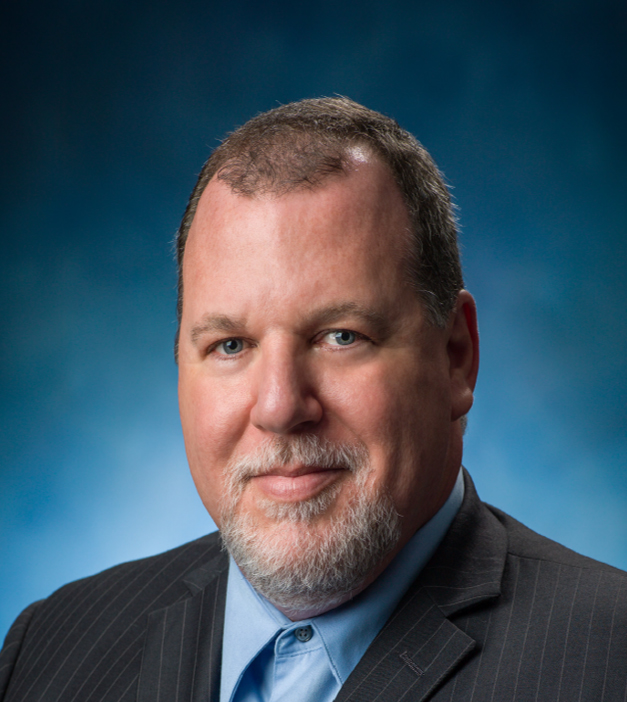
As the APT Research CEO, George Gafka is the top senior executive responsible for all aspects of the corporation, including exceeding all operational and strategic objectives. Gafka provides mission/vision/values, ethical expectations, and overall direction to the company. Gafka leads the executive team and serves as the primary corporate resource and risk manager. As CEO, Gafka reports to the Chairman of the Board. Prior to being appointed CEO, Gafka was the Executive VP at APT Research and served as the Corporate Chief Innovation and Development Officer, as well as the General Manager for the company’s Safety Engineering & Analysis Center (SEAC) and Aerospace Sector.
Prior to joining APT Research, Gafka had a distinguished 30-year career at NASA, serving most recently as the Chief Safety Officer and Safety & Mission (S&MA) Assurance Director for NASA’s Moon-To-Mars Enterprise (encompassing the following human spaceflight programs: Gateway, Human Lunar Lander, new Space Suit, and Lunar Surface Systems). Prior to that, Gafka served as the Chief Safety Officer and S&MA Director for NASA’s Exploration Systems Development Enterprise (encompassing the following human spaceflight programs: Orion, Space Launch System, and Exploration Ground Systems). Other substantial roles included Chief Safety Officer for the International Space Station, Chair of the Space Shuttle Mishap Investigation Team, Chief Engineer for Space Shuttle Thermal Protection System “Return to Flight” Projects following the Columbia accident, International Space Station Vehicle Chief Engineer, and numerous source selection activities aimed at transforming NASA’s acquisition and procurement strategy, most notably with the Commercial Crew Program.
An avid believer in continuous learning, Gafka has earned a diverse set of academic degrees described above. Furthermore, his Master’s of Space System Engineering degree and Executive MBA were both highly competitive NASA fellowships, and he graduated with a 4.0 and at the top of his class for both degrees.
Over the span of his distinguished career, Gafka received numerous prestigious awards for his leadership and unique contributions, including the NASA Exceptional Service Medal, RNASA Stellar Award Nominee, Johnson Space Center Director’s Commendation, numerous Space Flight Awareness Leadership Awards and the coveted NASA Silver Snoopy. As an undergraduate student at UT Austin, Gafka received a Hillel Foundation scholarship (1990), was awarded the Aerospace Engineering Student Leadership Award (1990) and won first place in the Rube Goldberg Collegiate Challenge (1991) as a core member of the UT Austin team. Furthermore, Gafka was a competitive cyclist on the UT Austin cycling team.
Gafka lives in Houston, Texas, with his wife Tammy, son Marcus, and twin daughters Sadie and Celia. His oldest son, Scott, is currently a freshman at UT Austin studying mechanical engineering. Gafka enjoys martial arts and still practices with his father (currently in his 80’s!), a life-long journey that they started together almost 40 years ago. Both are 3rd-degree black belts. Finally, Gafka is a founding member and lead vocal stylist in a heavy metal band.
Bing-Jean Lee
President, Feng Chia University and Professor of Civil Engineering
B.S., Civil Engineering, National Cheng Kung University (1982)
M.S., Civil Engineering, National Taiwan University (1984)
Ph.D., Aerospace Engineering, The University of Texas at Austin (1991)
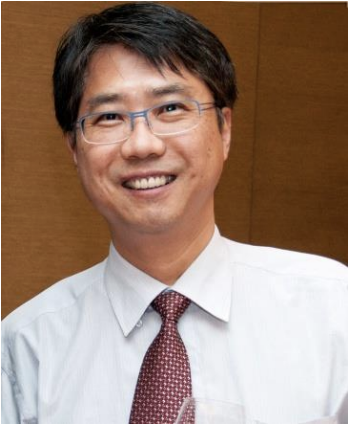
Born in Taiwan, Lee graduated from National Cheng Kung University with a bachelor’s degree in civil engineering in 1982. He then earned a master’s degree in civil engineering from National Taiwan University in 1984 and earned his Ph.D. in aerospace and engineering mechanics from the University of Texas at Austin in 1991.
After his Ph.D., he was a postdoc at M.I.T. and UC San Diego. In 1994, he returned to Taiwan to join Feng Chia University (FCU), Taichung City, Taiwan, as a faculty member. He then held several leadership posts at FCU: as department chairman, dean of the college, and vice president of the university. Since 2013, he has been President of FCU. He has published work related to structural engineering and disaster mitigation.
In 2018, he received the Outstanding University President Award from the Taiwan Culture and Education Association.
Jimmy Narramore
Founder, Narrfoil LLC. (Retired)
A.S., Engineering, Kilgore Junior College (1969)
B.S., Aerospace Engineering, The University of Texas at Austin (1972)
M.S., Aerospace Engineering, The University of Texas at Austin (1973)
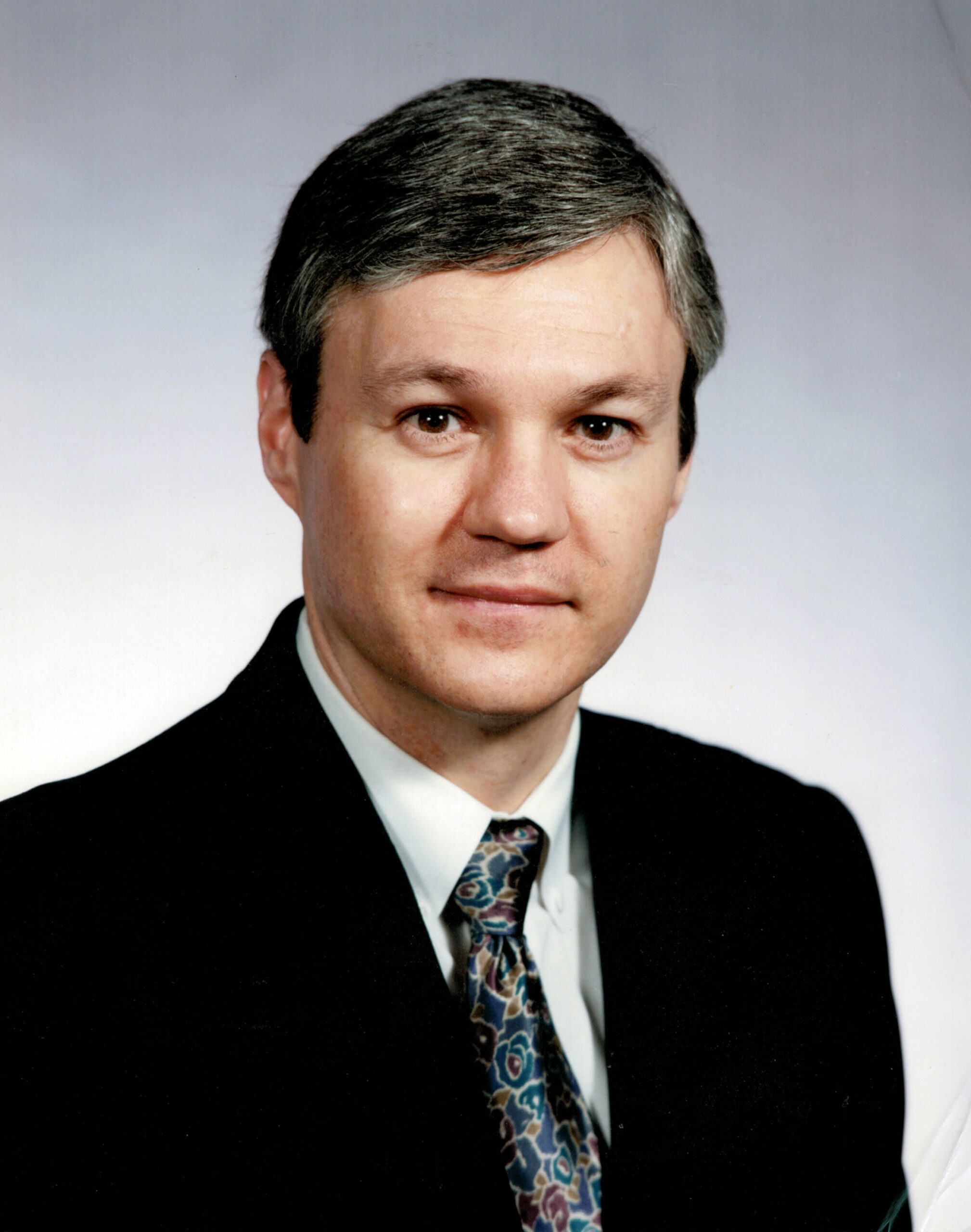
When Jimmy Narramore was a toddler, he was inspired by his father, who built and flew a balsa wood control line model of the Texaco Sky Chief aircraft and who was the song leader at church. These experiences, along with the advent of digital computers, created a passion in Jimmy for both computational aerodynamic technology and, eventually, Christian worship music. During his engineering career, Jimmy was a pioneer in the application of computational fluid dynamics to rotorcraft design and analysis. Although Jimmy has retired from engineering, he still plays electric guitar in his church’s worship band and enjoys his grandsons and family time.
Narramore was valedictorian of his graduating class at Kilgore Junior College. He received his B.S. and M.S. degrees from the Department of Aerospace Engineering and Engineering Mechanics at The University of Texas at Austin.
Narramore’s professional career began in 1973 with McDonnell Douglas Aircraft Company’s High Lift Technology Development Group in Long Beach, California. Leaving DAC in 1975, he joined Cessna Aircraft Company’s Pawnee Division Advance Design Group in Wichita, Kansas. From 1979-2012, Narramore was in the Flight Technology Department of Bell Helicopter Textron, where he eventually became Chief of Aerodynamics and Acoustics and an Associate Technical Fellow. After retiring from Bell in 2013, he initiated NARRFOIL LLC and was an independent computational aerodynamics consultant until 2017, when he closed this company.
Throughout his career, Narramore was an advocate for the application of computational methods to aerodynamics. This started with simple potential flow methods and, over time, became full 3-D Navier-Stokes solution methods. At Bell Helicopter, Jimmy also developed the Aerodynamics Analysis for Quality Assurance (AA4QA) method, which revolutionized Bell’s rotor quality assurance operation. He developed technology to store and find documents called the Aerodynamic Information Repository (AIR). During his career at Bell, Narramore created and continuously improved an Aerodynamic Design and Analysis (ADAM) information system to visualize and automate many of the aerodynamic functions, including input to codes and interface with other systems.
Narramore has proudly supported ASE/EM student projects, as well as attending ASE/EM Fall Festivals to interact with students who are working on the projects. He has been awarded nine separate patents by the US Patent Office. In 2013, Narramore accepted the American Helicopter Society Technical Fellow Award. He has written over 60 peer-reviewed papers during his career and received the American Helicopter Society Forum 55 Best Paper Award in 1999.
Narramore lives in Austin, Texas, with his wife, Debbie. He enjoys spending time with his daughter, Keri, son-in-law, Rob, their two children, Corban and Elliott, and he enjoys serving at his church.
Cassidy Norman
Commanding Officer, USS John C. Stennis (CVN 74), United States Navy
B.S., Aerospace Engineering, The University of Texas at Austin (1993)
M.S., Aviation Systems, The University of Tennessee (2003)
M.S., National Security and Strategic Studies, U.S. Naval War College (2009)
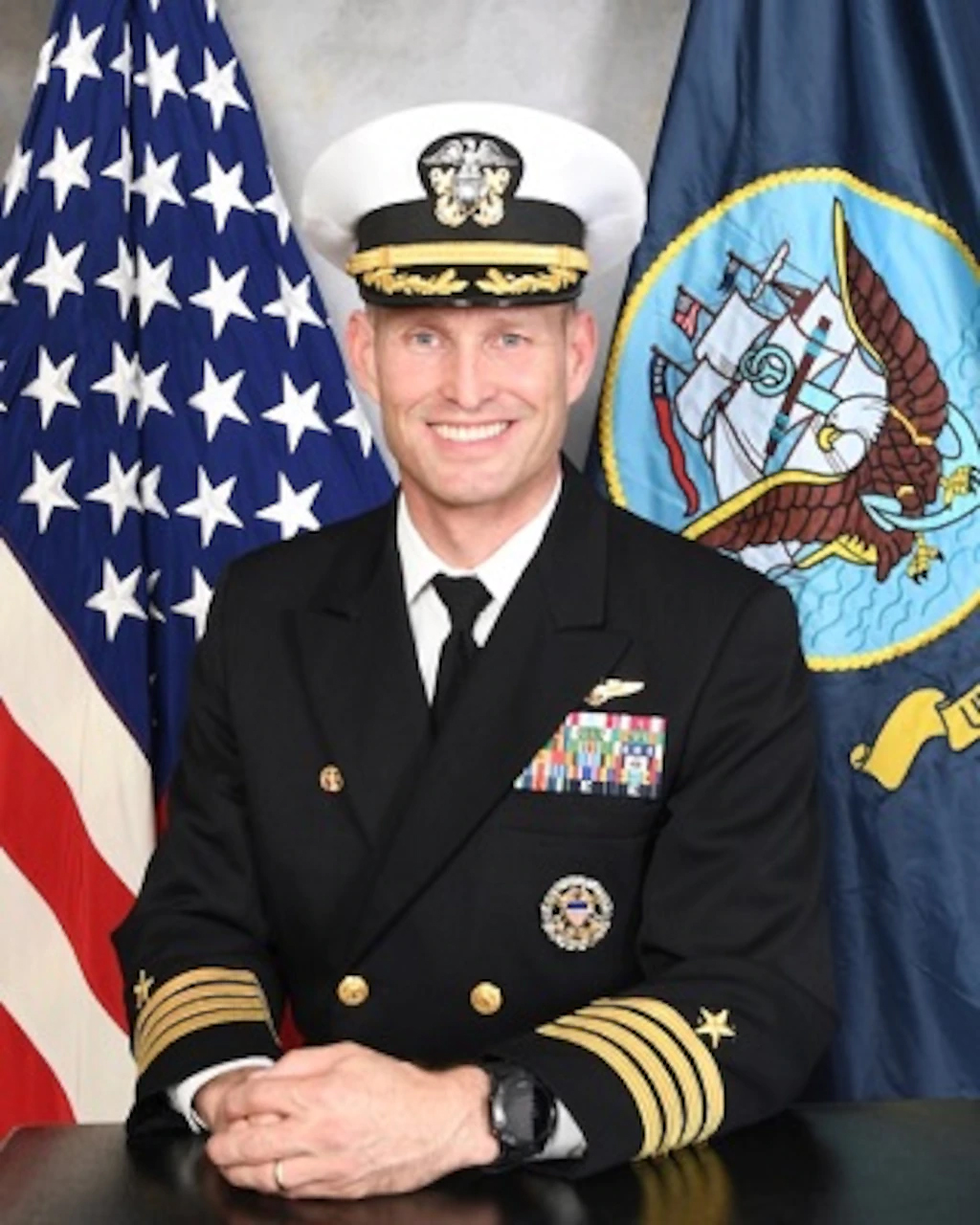
As the 12th commanding officer of the nuclear-powered aircraft carrier JOHN C. STENNIS, Cassidy Norman is in charge of 2,700 active-duty Sailors. After 25 years of commissioned service to our nation, the STENNIS is currently in mid-life overhaul, including nuclear refueling and a complex overhaul of the entire ship, which will provide the 90,000-ton vessel with an additional quarter of a century of active service protecting our shorelines. In addition to his duties as the ship’s Captain, he continues to fly the F/A-18 and chairs a readiness council for all aircraft carriers in the US Navy.
Norman received his B.S. degree in aerospace engineering from The University of Texas at Austin. While serving as a test pilot after graduating from the US Naval Test Pilot School, he earned an M.S. degree in aviation systems from the University of Tennessee. Later, after attending the U.S. Naval War College, he earned an M.S. degree in national security and strategic studies. He is also a graduate of the Joint Forces Staff College and the Naval Nuclear Propulsion Program.
During ten aircraft carrier deployments over the twenty-six years, Norman supported Operations Southern Watch in the Arabian Gulf, Iraqi Freedom in Iraq, Enduring Freedom in Afghanistan and Inherent Resolve in Syria. He lived in Japan for a tour in VFA-192, integrated the new Joint Direct Attack Munition while underway during combat operations on USS John F. Kennedy as Strike Operations Officer in CVW-17, led each of the main departments (safety, maintenance, and operations) in VFA-136, and managed an aircraft carrier as the Executive Officer of USS Harry S. Truman, which earned the Battle “E” Award twice during his tour.
Norman commanded VFA-83 on USS Dwight D. Eisenhower in 2010, earning back-to-back Golden Wrench Awards for Maintenance Excellence. Homeported in Italy, he also commanded the U.S. Sixth Fleet Flagship, USS Mount Whitney, in support of multiple NATO, U.S. Second Fleet and U.S. Sixth Fleet exercises in the Baltic and Mediterranean Seas in 2019 and 2020.
Ashore, he served as the Navy’s AMRAAM Project Officer and as a test pilot for over 40 weapons test programs out of Point Mugu, CA, where he was selected as the 2003 VX-30 Test Pilot of the Year. In the Pentagon, he served in the Joint Chiefs of Staff (J8), where he supported several Strategic Seminars and Interagency war games for the Chairman of the Joint Chiefs of Staff. He also served as the Chief of Staff for the Navy Warfare Development Command in Norfolk, VA.
Norman logged 702 arrested landings across the six most recent classes of aircraft carriers, from USS Independence to USS Gerald R. Ford. He has flown 116 combat missions in the F/A-18 and 3,000 flight hours in 44 different types of aircraft.
He was the lead pilot in a section of F/A-18s that flew over a UT baseball game in March of 2011 and again excited the Longhorn crowd by flying over a UT football game in November of 2011. That same year, he flew an F/A-18 to Bergstrom Airport as part of Navy Week Austin. In addition to providing tours of the F/A-18 to the public, he gave presentations to the UT Navy ROTC unit, the Navy League Austin, and local high schools and middle schools.
Norman is currently stationed in Hampton Roads, VA, with his wife Michelle (BS PEN 1992, The University of Texas at Austin) and their daughter and son.
Leslie Phinney
Manager, Sandia National Laboratories
B.S., Aerospace Engineering, The University of Texas at Austin (1990)
C.P.G.S., Eng., Cambridge University (1991)
M.S., Mechanical Engineering, UC Berkeley
Ph.D., Mechanical Engineering, UC Berkeley
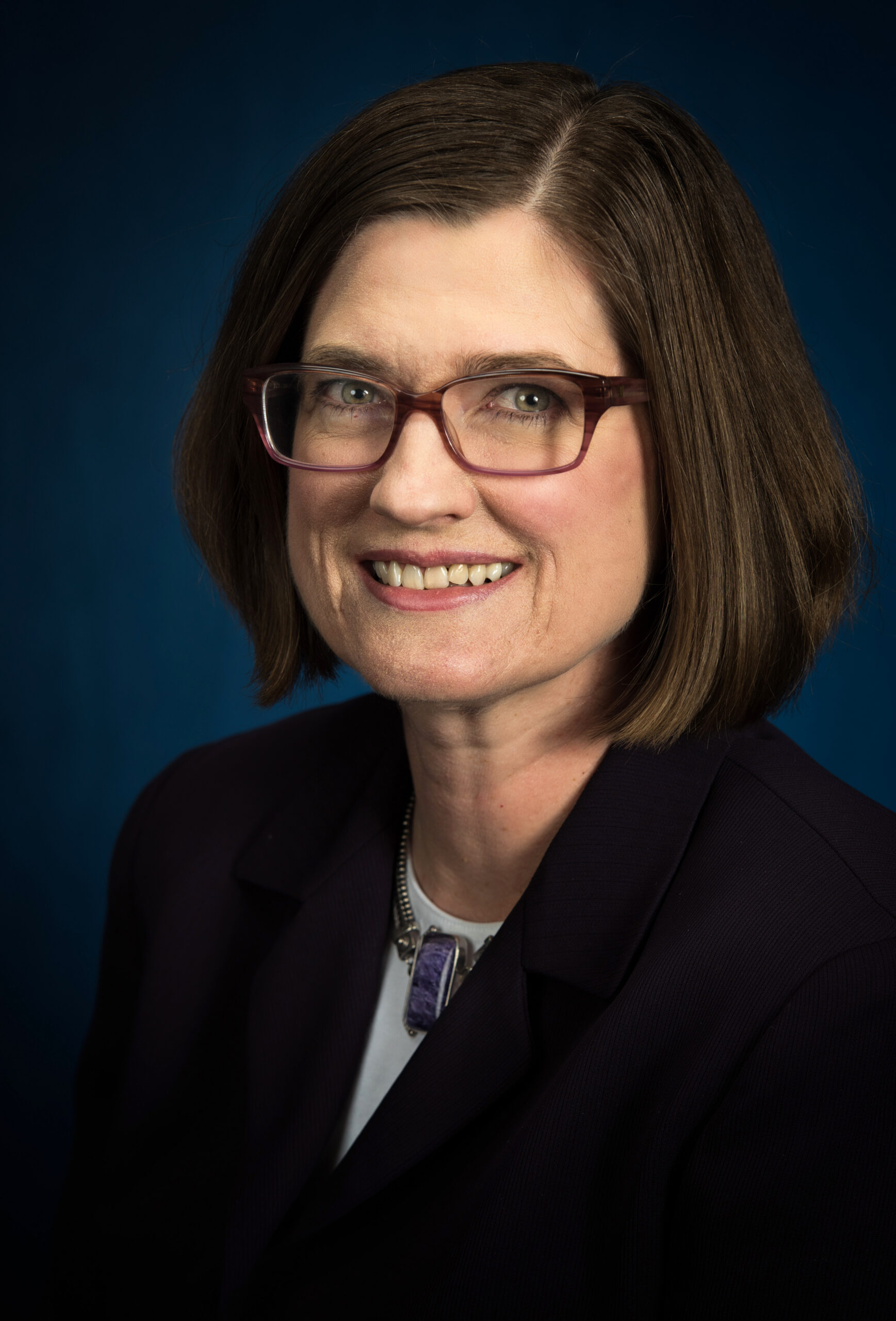
Leslie Phinney is Manager of the Thermal Sciences and Engineering Department at Sandia National Laboratories in Albuquerque, New Mexico.
Phinney received her B.S. degree in aerospace engineering from The University of Texas at Austin and her M.S. and Ph.D. in mechanical engineering from the University of California, Berkeley. She also studied for a year in England with a Churchill Scholarship, earning a C.P.G.S (Certificate of Post-Graduate Studies) in engineering from Cambridge University.
Phinney’s professional career began in 1997 when she became the first woman Mechanical Engineering Professor at the University of Illinois, Urbana-Champaign (UIUC). After six years at UIUC, Phinney joined Sandia National Laboratories (SNL) in Albuquerque, New Mexico, as a Technical Staff Member in the Engineering Sciences Center. After over 16.5 years as a technical staff member and thermal subject matter expert, she was promoted to Manager of the Thermal Sciences and Engineering Department in December of 2020.
Phinney’s research contributions are in the areas of heat transfer, thermosciences, and microsystems with an emphasis on microscale heat transfer, thermal analysis and simulation, thermal microactuators, experimental techniques, thermomechanical effects, laser processing, adhesion in microsystems, and microelectromechanical systems (MEMS) reliability testing. To date, she has co-authored 2 book chapters, 49 peer-reviewed journal articles, and 52 papers presented at national and international conferences. She was in a rotational position in the SNL Chief Technology Officer (CTO) Programs Office Department, focusing on improving the research environment and interactions between mission and research efforts at SNL from Jan. 2012 – May 2013.
Phinney is a Fellow of the American Society of Mechanical Engineers (ASME) and a recipient of the Society of Women Engineers’ (SWE) Prism Award in 2017 and WE Local Legacy Award in 2021. She received a National Science Foundation (NSF) CAREER Award from 2000 to 2004. Phinney has been serving as a member of the UT Austin ASE/EM Department External Advisory Committee since 2020 and was a member of the UT Austin ME Department External Advisory Committee from 2013 to 2019. She is a strong champion for women in science, technology, engineering, and math (STEM), engaging with girls and women from K-12 to professionals, including being active in SWE and Sandia Women’s Action Network (SWAN). Phinney has spoken to multiple student groups at universities, including being an Industry Mentor for five Women Changing the World Events for UT Austin women’s engineering students.
Phinney lives in Albuquerque, New Mexico, and she enjoys reading, solving puzzles, and visiting family and friends.
Jana Rebmann
President, Odyssey Space Research, LLC
B.S., ASE 1988, The University of Texas at Austin

Jana Rebmann is the president and co-owner of Odyssey Space Research, an aerospace engineering services company in Houston, Texas. Odyssey’s primary office is in Houston with a second location in Boulder, CO.
Rebmann received her B.S. in aerospace engineering from The University of Texas at Austin in 1988.
Rebmann’s professional career began in 1989 at McDonnell Douglas in Houston, supporting NASA Johnson Space Center’s Rendezvous and Proximity Operations Group. As part of this group, Rebmann played a significant part in designing the International Space Station (ISS) docking stand-off cross target originally used by the Shuttle and still used today by ISS visiting vehicles. In 1990, Rebmann earned a McDonnell Douglas scholarship to attend the International Space University (ISU) summer program and returned as ISU staff in 1991. During her career at McDonnell Douglas, Rebmann served as the Principal Investigator for the Hand-Held Lidar for a Shuttle Detailed Test Objectives flight and served as the JSC Rendezvous, Proximity Operations Working Group Co-chair. When McDonnell Douglas merged with Boeing, Rebmann moved to the MAGIK team, performing in-depth simulation analysis for ISS and Shuttle Remote Manipulator Arm on-orbit tasks. At the end of her Boeing career, Rebmann was the Boeing, IDS\Houston Division Rendezvous and Proximity Operations (RPO) lead for the Boeing Orbital Space Plane proposal.
Rebmann went on maternity leave in 2005 and stayed out of the work force until 2007, when she went to work at Odyssey as Lead for Rendezvous, Proximity Operation and Robotics projects. June 2008, Rebmann became president and majority owner of Odyssey. Since that time, Odyssey has grown from 35 employees to 120+ and currently supports several NASA Programs, including Artemis (return to the Moon), Gateway (Lunar Space Station), HLS (Human Lunar Lander System), Orion and ISS. In 2010, Odyssey was awarded the JSC Small Business Subcontractor of the Year.
Rebmann has supported UT Women in Engineering events for high school girls by providing lectures and a hands-on 101-rocketry session and has earned several awards during her career, including a JSC Individual Achievement Award for Robotics Analysis, a JSC Space Flight Awareness Award and ISS/Mir Docking Support Individual Achievement Award.
Rebmann lives in Houston, where she enjoys spending time with her husband, David Strack, even though he is an Aggie. She also loves spending time with her son, Jett, a high-school junior, as well as her two daughters, Jade, a recent Savannah College of Arts and Design grad, working as a video game writer, and Jordan, at Colorado State University, pursuing her Ph.D. in neuroscience. Rebmann’s passions, other than running her company, are traveling with her family, especially internationally, coin collecting, running her antique booth, supporting the arts and education, going to musicals and doing the occasional puzzle in her spare time.
Tracy Vogler
Distinguished Member of the Technical Staff, Sandia National Laboratories
B.S., ESM, Virginia Polytechnic Institute and State University (1992)
S.M., AA, Massachusetts Institute of Technology (1994)
Ph.D., Engineering Mechanics, The University of Texas at Austin (1999)
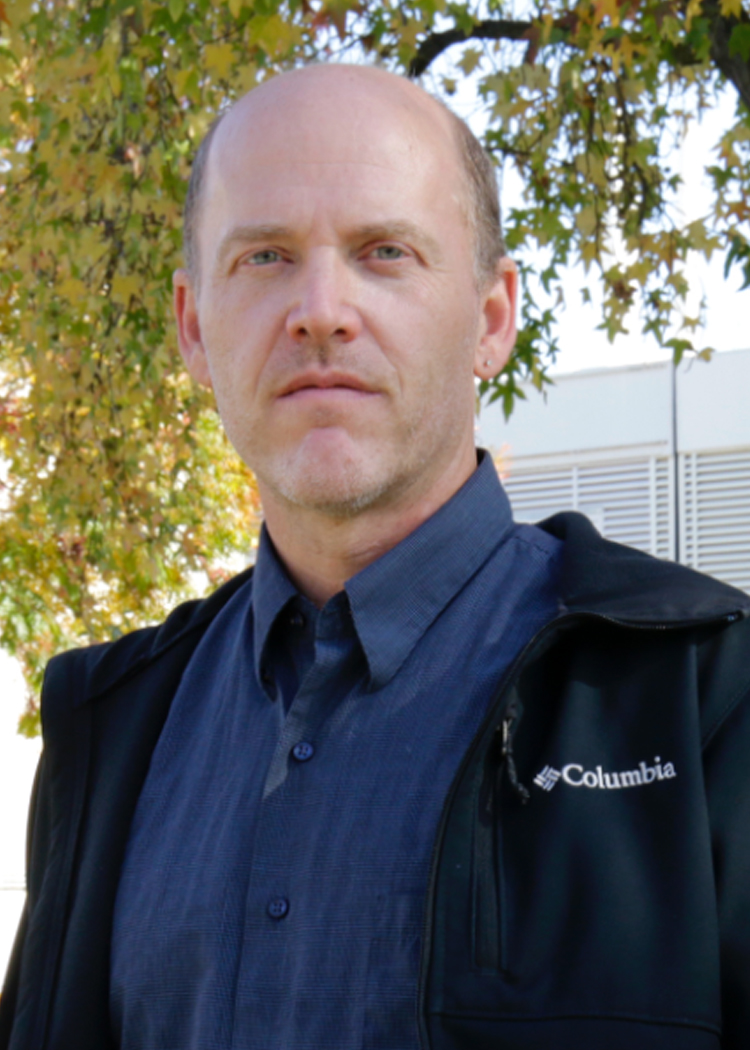
Tracy Vogler is a distinguished member of the technical staff at Sandia National Laboratories. Since joining Sandia in 2001, he has supported a wide range of national security programs through fundamental studies of material behavior at high pressures and strain rates and through applied work on the safety and reliability of DOE systems.
Vogler received his B.S. in engineering science and mechanics from Virginia Tech, his S.M. in aeronautics and astronautics from MIT, and his Ph.D. in engineering mechanics from The University of Texas at Austin. His graduate studies were supported by a fellowship from the Fannie and John Hertz Foundation.
Following a post-doc in the Impact Physics Branch of the U.S. Army Research Laboratory, Vogler joined the experimental shock physics group at Sandia National Laboratories in Albuquerque, New Mexico, in 2001. In 2008, he moved to Sandia’s site in Livermore, California.
At Sandia, Vogler has supported a wide range of national security programs through fundamental studies of the behavior of materials at high pressures and strain rates. This work has primarily involved understanding the strength and failure of material as well as phenomena at engineering length scales that emerge from lower length scales. This research has utilized experimental capabilities, including Sandia’s Z machine, gas guns, explosive facilities, the Advanced Photon Source at Argonne, and the proton radiographic facility at Los Alamos, as well as the DOE’s high-performance computing capabilities for continuum, mesoscale, atomic, and ab initio simulations. Since moving to California, he has also supported the development and sustainment of DOE systems through large-scale simulations and experiments.
Vogler has been active in the American Physical Society’s Topical Group on Shock Compression of Condensed Matter, including serving as the group’s secretary-treasurer (2007-2009), co-organizing their biennial international conference (2011), serving as the vice-chair/chair-elect/chair (2011-2013), and in several other roles including founding and running the group’s virtual seminar series that began in 2020. He was selected as a fellow of the American Physical Society in 2019. Vogler has also served on the selection committee of the DOE NNSA’s Stewardship Science Graduate Fellowship since 2008, on the external advisory committee for the UT Austin ASE/EM department (2013-2015) and on the National Academies external advisory committee for the U.S. Army Research Laboratory (2015-2016).
Vogler lives in Livermore, California, with his wife, Leah Larkin, who received her Ph.D. in botany from UT Austin. They have two children, Chase and Molly. He enjoys coaching youth running, having started a successful cross country team in Livermore and competing in endurance events, including triathlons and, in recent years, ultramarathons.
Walton “Walt” E. Williamson, Jr.
Professor Emeritus, Department of Engineering, Texas Christian University
B.S., Mechanical Engineering, Stanford University (1966)
M.S., Aerospace Engineering, The University of Texas at Austin (1967)
Ph.D., Aerospace Engineering, The University of Texas at Austin (1970)
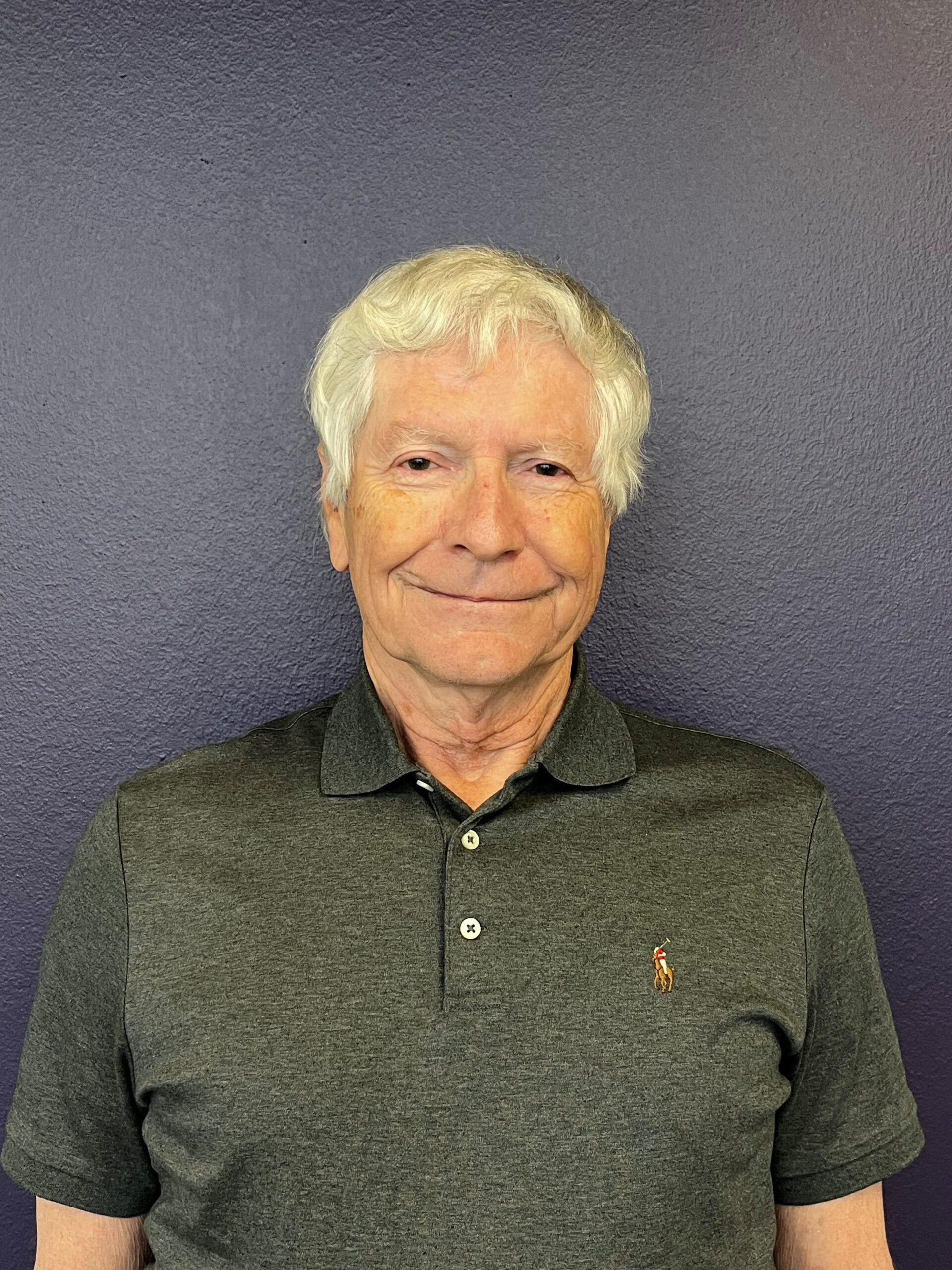
Walt Williamson served as chair of the Department of Engineering at Texas Christian University (TCU) for 20 years before he retired in 2020. He started at TCU in 1999 and helped change the TCU engineering department, created in 1994, to its current level. When he arrived, the department had eight faculty/staff and 80 students, with offices and labs spread throughout several buildings. Williamson assisted with the planning of a new building that included lab space, along with new lab equipment, and grew the department to 20 faculty/staff and nearly 300 students. He continues to teach classes at TCU and consults with several organizations.
Williamson received his B.S. in mechanical engineering at Stanford and both his M.S. and PhD. in aerospace engineering at The University of Texas at Austin.
Williamson’s professional career began in 1970 at The University of Texas at Austin. After receiving his Ph.D., he remained at UT for four years, teaching classes and continuing to work on reentry vehicle flight dynamics funded by the NASA Johnson Space Center. In 1974, he moved to Sandia National Laboratories and began working on high-speed flight testing. He initially provided technical support on about ten re-entry vehicle flight tests. In 1980, he moved to a program management position and began helping acquire funding from government organizations, developing one-of-a-kind flight research vehicles, and conducting high-speed flight tests of the vehicles. Williamson moved to Texas Christian University in 1999, where he began serving as the chair of a newly developed Engineering Department, where he helped to develop plans for a new facility, which included creating new engineering labs and growing the department.
While at Sandia, Williamson served as a member of UT Austin’s Department of Aerospace Engineering and Engineering Mechanics (ASE/EM) External Advisory Committee and funded several research programs for both faculty and graduate students. He was the Sandia employment representative for recruiting at UT and visited campus several times to recruit and interview students for employment, and funded summer employment at Sandia for two ASE/EM faculty members. Williamson has served on several AIAA technical committees and as an associate editor of the Journal of Spacecraft and Rockets.
Williamson lives in Fort Worth, Texas, with his wife, Judy. They have two children and four grandchildren. Their son, Walton, is an engineer and works at the NASA Jet Propulsion Laboratory, and their daughter teaches in the Business School at West Texas A&M in Amarillo.
An in-person induction ceremony will take place in Austin on April 22, 2022, where the classes of 2022, 2021 and 2020 will be recognized for their achievements and inducted into the academy.