
2026 Academy of Distinguished Alumni Honorees
Nine Texas Engineering alumni of the Department of Aerospace Engineering and Engineering Mechanics at The University of Texas at Austin have been elected to the Class of 2026 ASE/EM Academy of Distinguished Alumni.
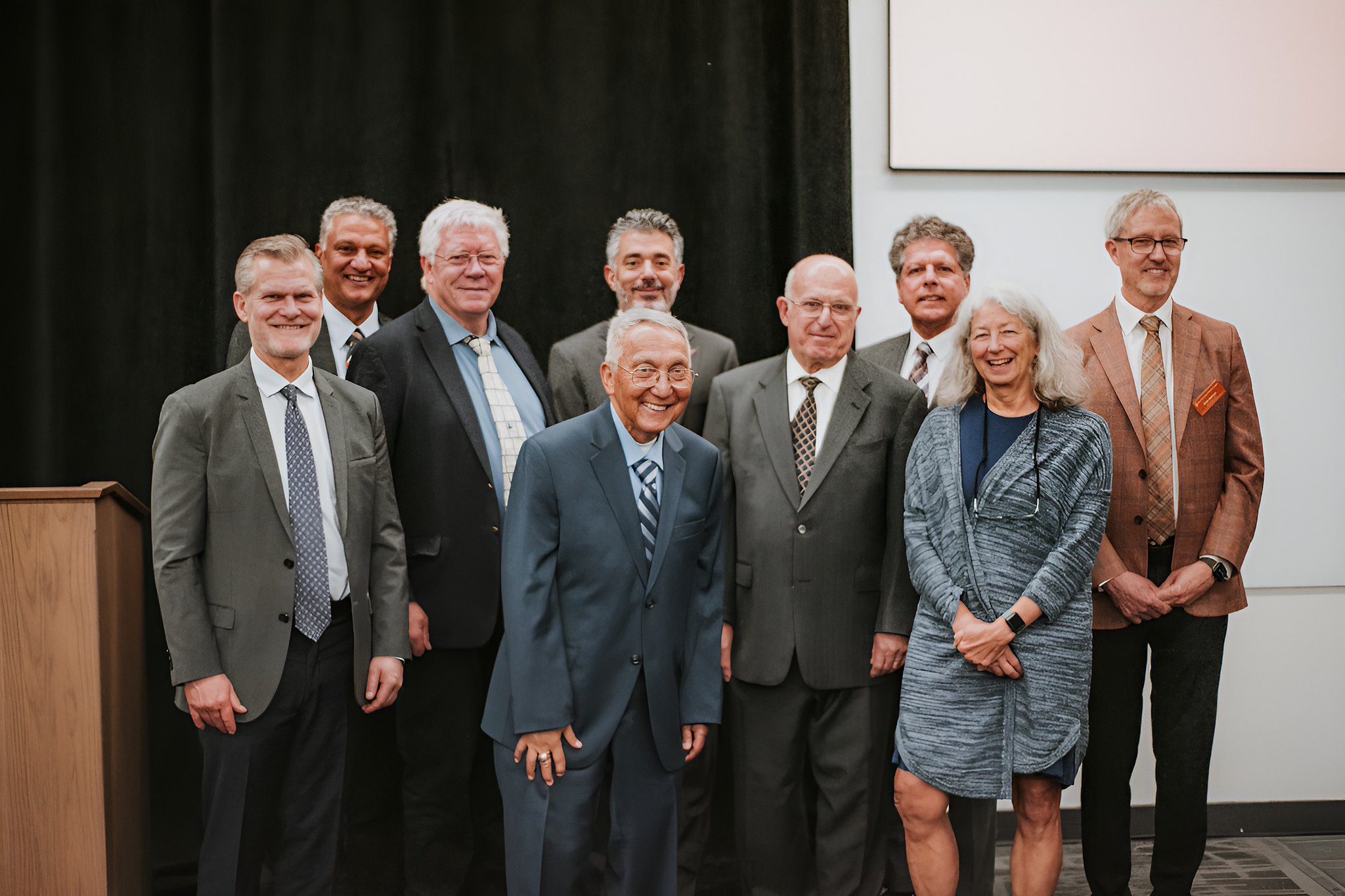
The ASE/EM Academy of Distinguished Alumni was established in 2019 with the vision to foster excellence within the aerospace engineering, engineering mechanics and computational engineering programs in the department through recognition, participation, encouragement and support of the department.
Members are recognized and honored by the academy for leading distinguished careers that include outstanding technical contributions, excellence in leadership and dedication to improving communities.
The members elected to the ASE/EM Academy of Distinguished Alumni for 2026 are:
Srinivas Bettadpur
Professor, The University of Texas at Austin
B.Tech. ME 1984, Punjab Engineering College
M.Tech. ASE 1985, Indian Institute of Technology, Kanpur
M.S. ASE 1987, University of Oklahoma
Ph.D. ASE 1992, The University of Texas at Austin
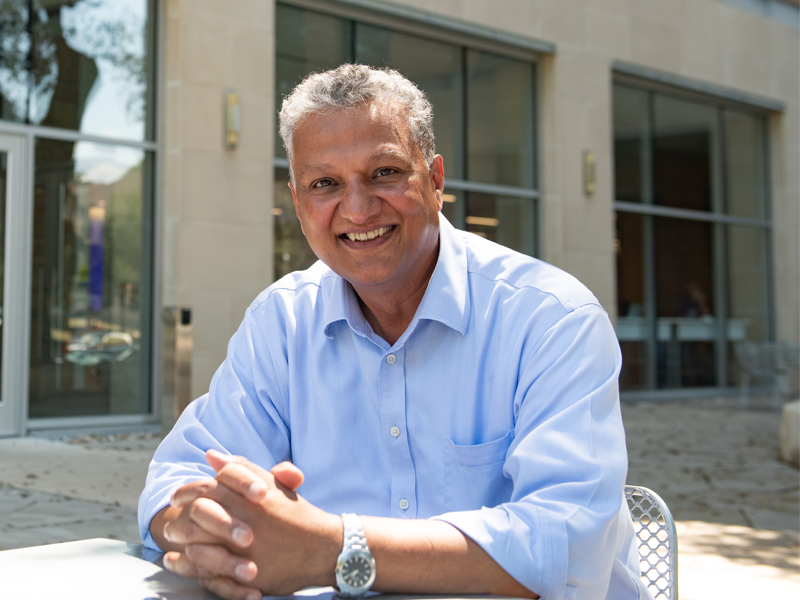
Srinivas Bettadpur is a professor in the Department of Aerospace Engineering and Engineering Mechanics at The University of Texas at Austin and holds the FSX Professorship in Space Applications and Exploration. His research focuses on understanding Earth’s dynamic systems—how the planet’s shape, orientation, and mass distribution change over time due to processes in the oceans, atmosphere, ice sheets, and solid Earth, and how that influences the foundation for mobility in
the Earth-Moon system.
Bettadpur studies these changes using space-based measurements, including radiometric, laser, and emerging quantum sensing technologies, combined with advanced models of satellite motion and related inverse theories. His work centers on the design and architecture of space missions, the analysis of space
geodetic data, and the scientific interpretation of those observations to better understand Earth system dynamics.
He also holds an appointment in the Department of Geological Sciences at the Jackson School of Geosciences and is an affiliate of the University of Texas Applied Research Laboratories. Dr. Bettadpur earned his B.Tech in Mechanical Engineering from Punjab Engineering College, an M.Tech in Aerospace Engineering from Indian Institute of Technology Kanpur, an M.S. from the University of Oklahoma, and a Ph.D. in Aerospace Engineering from The University of Texas at Austin.
He is a Fellow of the American Geophysical Union and the International Association of Geodesy, and an Associate Fellow of the American Institute of Aeronautics and Astronautics. Dr. Bettadpur currently serves as President of Commission 2 (Gravity Field) of the International Association of Geodesy for the 2023–2027 term.
Curt von Braun
Technical Director, Naval Power, Raytheon (Retired)
B.S. ASE 1985, Arizona State University
M.S. ASE 1986, The University of Michigan
Ph.D. ASE 1991, The University of Texas at Austin
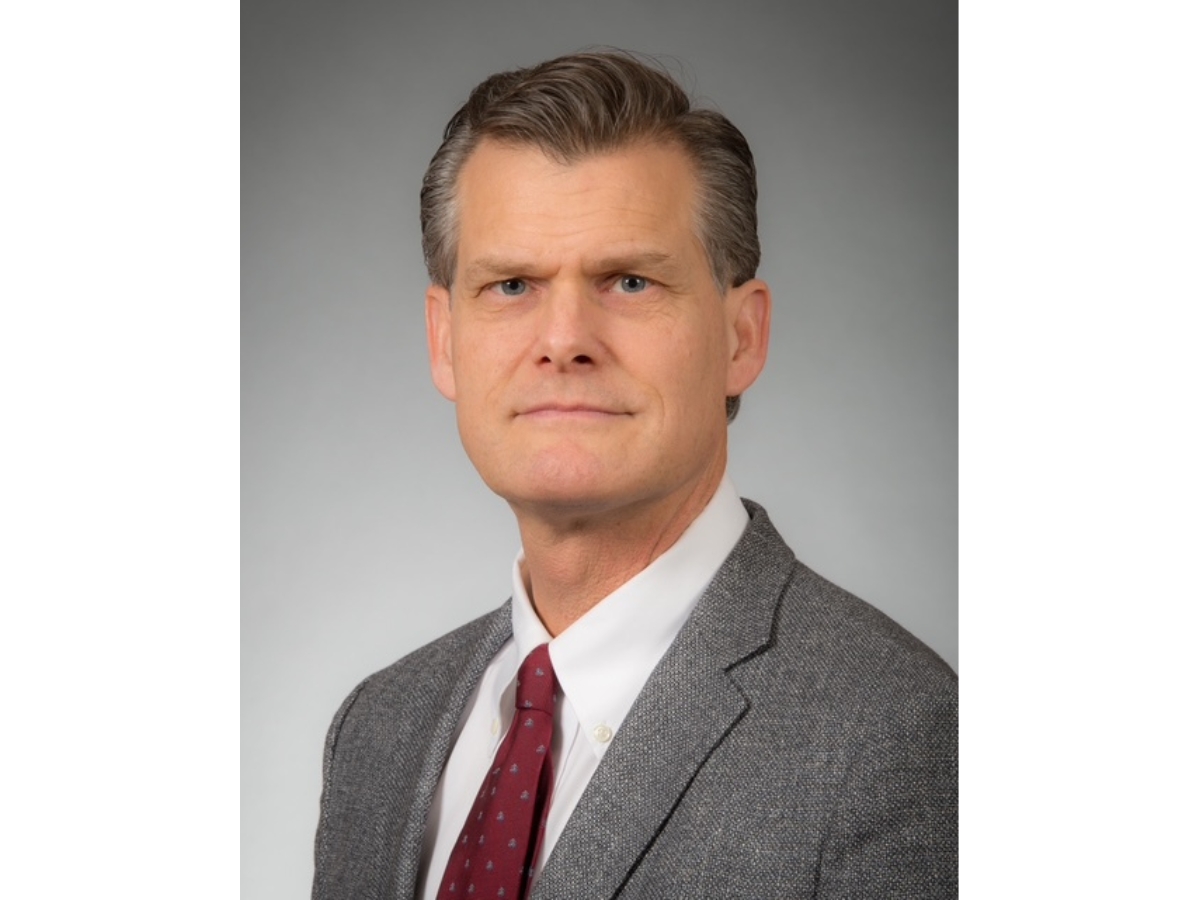
Curt von Braun became the Technical Director of the Naval Power business area at Raytheon in 2016 and served in this role until his retirement in 2024. As Technical Director, he was responsible for all research and development activities for a $7B business area encompassing systems such as Tomahawk cruise missile variants; the Standard Missiles SM-3 and SM-6; the Zumwalt-class destroyer; the SPY-6 naval radar; the P-8 Maritime Patrol Aircraft radar; the Next Generation Jammer; and undersea systems.
Von Braun earned his Bachelor of Science in aerospace engineering from Arizona State University, his Master of Science in aerospace engineering from the University of Michigan, and his Ph.D. in aerospace engineering from The University of Texas at Austin.
His professional career began in Germany at the German Geodetic Research Institute at the Technical University of Munich and at the Earth Research Center in Potsdam, where he spent two years as a research scientist. In 1994, he joined MIT Lincoln Laboratory as a staff member, advancing to group leader and then Assistant Head of the Aerospace Division, leading research and development in space control and space surveillance. He also served two years as MIT Lincoln Laboratory’s liaison to the Air Force Space and Missile Systems Center in California, working closely with Air Force leadership on advanced satellite communications, missile defense, space situational awareness, and defensive counter-space technologies.
Prior to his role as Technical Director of Naval Power at Raytheon, von Braun served as a Technical Fellow on major programs and proposals involving space-and sea-based missile defense and critical infrastructure protection in the Middle East. During this period, he regularly briefed senior U.S. and allied military and civilian leaders, including the Vice Chairman of the Joint Chiefs of Staff, U.S. Combatant Commanders, NATO leadership, and senior Department of Defense officials, on advanced capabilities, program risk, and long-term
technology tradeoffs.
Von Braun is listed in Who’s Who in Science and Engineering and Who’s Who in America and has authored or co-authored more than 30 refereed journal and conference publications. He remains actively engaged with the national security and defense community through mentoring, advisory work, and continued involvement in advancing aerospace and defense technologies.
Von Braun lives in Concord, Massachusetts, with his wife, Carrie, and their two dogs. They enjoy international travel, hiking, and spending summers in Gloucester, Massachusetts.
Vinci Martinez Felix
Principal Investigator/Team Leader, DuPont (Retired)
B.S. EE 1967, Mapua Institute of Technology
B.S. ASE 1968, The University of Texas at Austin
M.S. ASE 1970, The University of Texas at Austin
M.S. ME 1974, The University of Texas at Austin
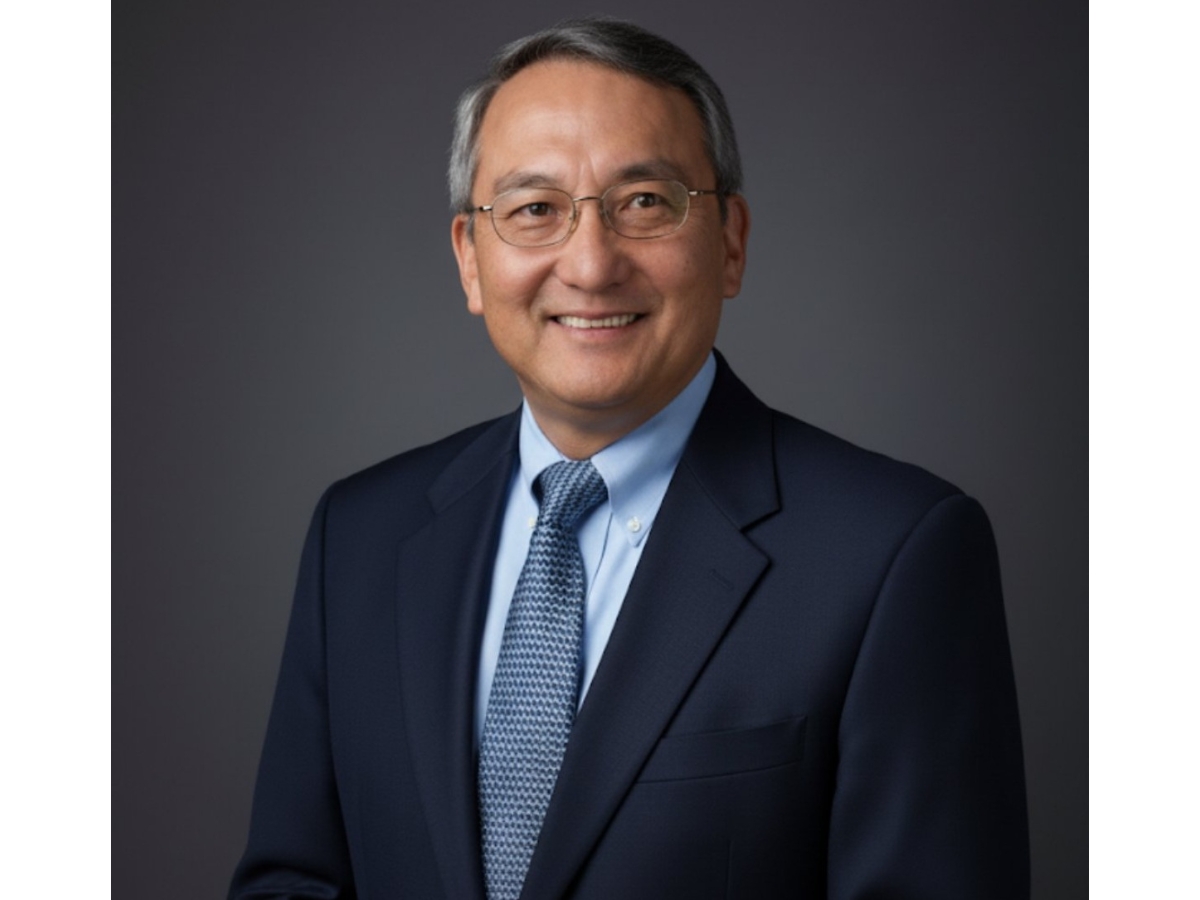
Vinci is a distinguished engineer and scientist whose four-decade-plus career blends technical innovation, global leadership, and sustained service. He holds over 40 U.S. patents and more than 100 worldwide and has contributed to 20+ technical publications across domains from aerodynamics to clean energy. A lifelong scholar, he earned a B.S. in Electrical Engineering (Silver Medalist/Salutatorian) from Mapúa Institute of Technology (1967) and later studied at the University of Texas at Austin; he also completed executive education at Harvard, MIT, Stanford, Oxford, Cambridge, and University College London School of Management. Most recently, Vinci was awarded the Outstanding Mapúa Electrical Engineering Alumni Award from the Mapúa Institute of Technology.
He began his career at Boeing as an aerodynamics engineer, evaluating stability and control for advanced configurations including STOL, transonic, and supersonic commercial aircraft. Vinci then spent 40+ years at DuPont, rising to Global R&D Project Lead responsible for managing multidisciplinary teams and driving innovation in fuel cells, fluoroproducts, and sustainable energy.
He represented DuPont with the United Nations Environment Program, contributing to clean energy approaches that supported ozone recovery and led numerous high-impact international projects spanning R&D, business-case evaluation, strategic planning, and global production.
A committed educator and mentor, Vinci developed and taught professional courses in project planning, contract negotiation, and financial analysis, and served for over a decade as a Blue & Gold Officer for the U.S. Naval Academy, guiding many students toward military and engineering careers. He has been a long-standing member—nearly six decades—of Tau Beta Pi and Sigma Gamma Tau honor societies.
Beyond his professional life, Vinci is active in charitable work with Compassion International, United Way, and his local church. He is the proud father of three children and four grandchildren; all three of his children served in the United States military as officers, and now are specialists in their respective private sector fields. Born in the Philippines, he spent most of his adult life in Texas and Pennsylvania, and retired to California to live near two of his grandchildren, who keep him young at heart. He enjoys traveling and spending time with family. He accepts this ASE/EM Academy of Distinguished Alumni honor in loving memory of his dearly departed spouses, Nancy Thompson Felix (a fellow graduate of UT and married 8 years) and Sharon Scollnik Felix (who recently
passed from ALS, after 40 years of marriage).
Gabe Garrett
Senior Vice President, Space and Defense, MORI Associates
B.S. ASE 2024, The University of Texas at Austin
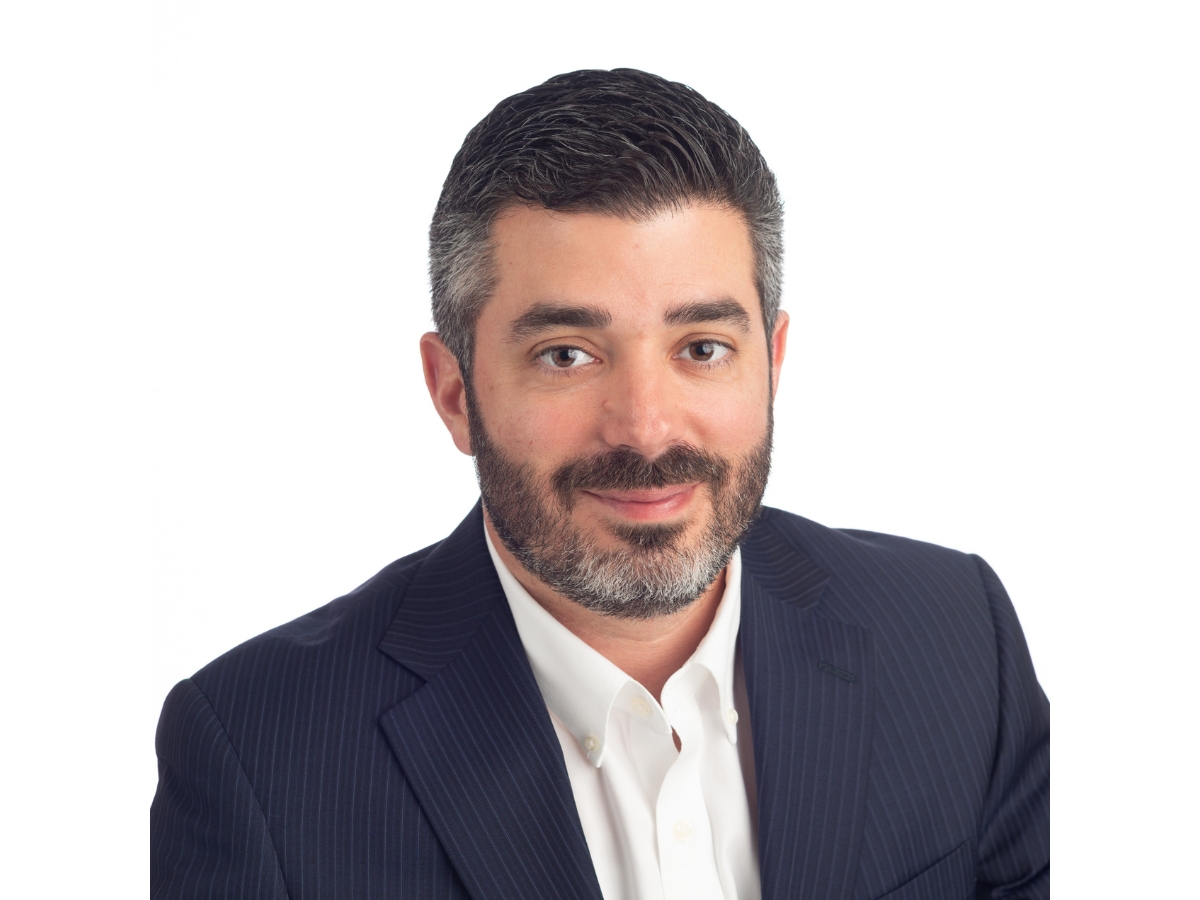
Gabe Garrett is Senior Vice President (SVP) of Space and Defense at MORI Associates. In this role he leads all aspects of MORI’s current work with space and defense customers as well as business growth of multi-discipline engineering and other mission-facing solutions targeting strategic customers that includes U.S. Space Force, NASA, missile defense, and commercial space. His operational duties include leading the MORI workforce, program performance, profit/loss, and customer relationship management. His business growth responsibilities include defining the strategic direction for the space and defense business unit, driving the new business pipeline and overseeing capture and proposal efforts to win new business.
Garrett received his Bachelor of Science degree in aerospace engineering from The University of Texas at Austin.
His professional career began with ARES Corporation in 2005 as an entry-level engineer performing engineering and risk analysis for a variety of NASA and commercial space programs and missions—a connection he made through the UT ASE/EM External Advisory Committee. He then moved into technical and project management, leading teams supporting NASA’s human space flight programs. Garrett then pivoted into business development in 2011, where he began leading business capture and proposals for a wide range of space and defense opportunities. His business development role transitioned into growth team leadership as the Vice President (VP) of Business Development for ARES’s space and defense division. In 2015, Garrett joined a multi-billion-dollar firm, Engility Corporation, as the Director of Business Development for their Civil Space and Missile Defense (CSMD) division. After successfully leading the growth team, Garrett was promoted to VP overseeing the CSMD portfolio of business contracts that included engagements with NASA, NOAA, Missile Defense Agency, Army, and more. After Engility was acquired by Fortune 500 company, SAIC, in 2019, Garrett continued in the account VP role but now oversees SAIC’s NASA human space flight business portfolio that spans numerous NASA Centers and involves all active and developmental NASA human space flight programs and missions. Garrett’s roles in business development have included leading teams pursuing multi-billion-dollar pipelines of opportunities as well as personally leading pursuits spanning thousands to billions in value. Garrett’s roles in business operations have included profit and loss responsibility for portfolios of contracts in excess of $150 million, over 500 employee workforces, and spanning dozens of geographies.
Garrett has been involved in numerous organizations, including the National Space Club, Astronaut Scholarship Foundation, AIAA Houston Section, Bay Area Houston Economic Partnership, Johnson Space Center Joint Leadership Team Steering Committee and more.
Garrett lives in Houston, Texas, with his wife, Stephanie, and three sons, Gavin, Alec, and Lucas.
Jalal Mapar
Sr. Advisor for Emerging Technologies & DHS Science & Technology
Directorate (Retired)
B.S. ASE 1982, The University of Texas at Austin
M.S. ASE 1984, The University of Texas at Austin
Executive Certificate in Management & Leadership 2014, MIT Sloan
Certificate 2017, Driving Government Performance, Harvard Kennedy School of Government
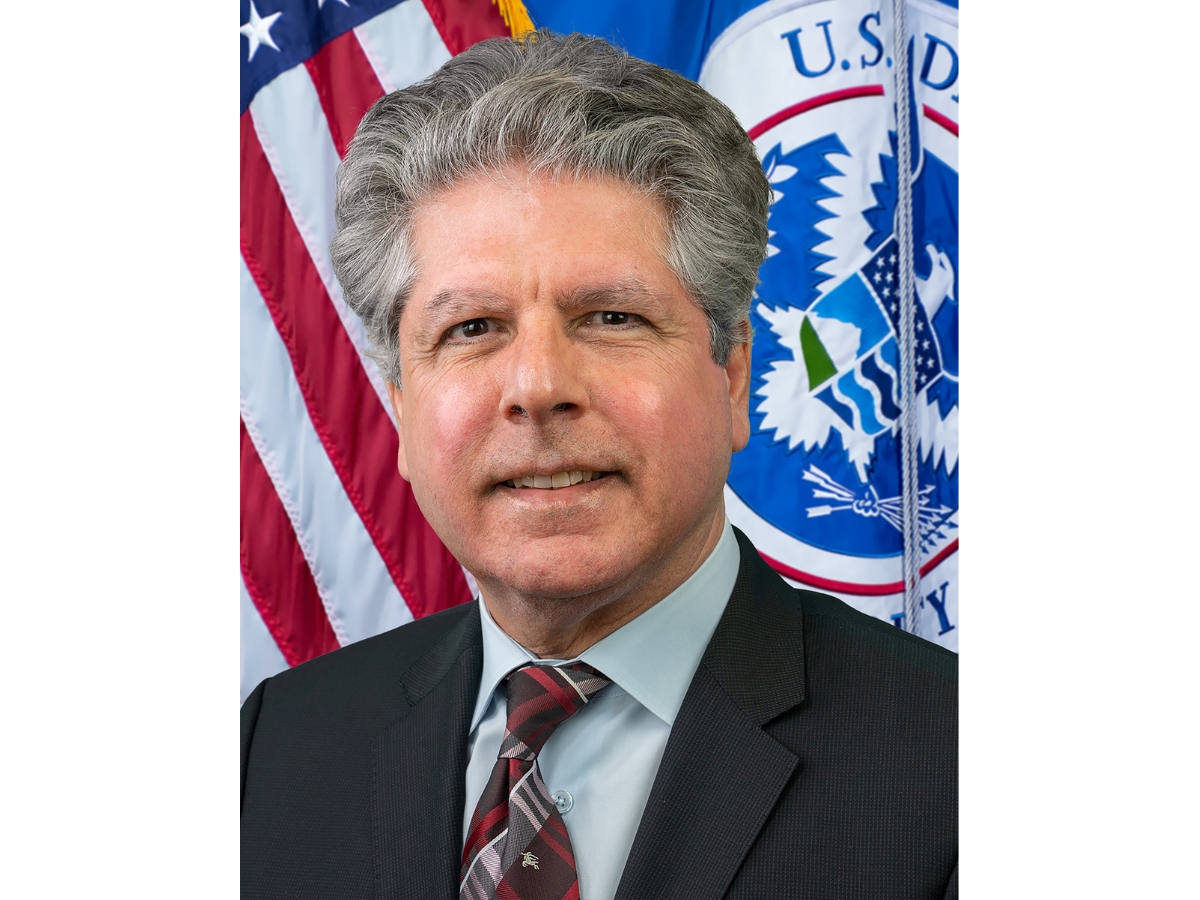
Jalal Mapar, retired as a member of the Senior Executive Service (SES) at DHS Science and Technology (DHS S&T) Directorate in Jan 2024. At DHS S&T he served as the Sr. Advisor for Emerging Technologies and focused on the identification and impact of emerging technologies and threats in the Homeland Security Enterprise. He represented DHS at several NSTC/OSTP subcommittees (QIS, MLAI, FACE, NSET), co-chaired (with NSF and AFRL) strategy/policy working groups for the OSTP SCQIS and established formal DHS partnerships with NSF to collaborate on AIML, and with NASA HQ in Quantum technologies. He was the S&T key advisor on quantum and MLAI technologies, and has been a frequent organizer, moderator, and speaker on emerging technologies at venues such as Quantum Tech US and Europe.
As the first Director of the Resilient Systems Division (RSD) at Homeland Security Advanced Research Projects Agency (HSARPA) he led 20 program managers and a $45M R&D portfolio in critical infrastructure resilience, cyber, sensors for indoor location tracking, advanced modeling and simulation, and disaster management agility. As a program manager from 2005 to 2012 Mr. Mapar established new technology initiatives and transitioned them into product offerings to improve safety and security of the first responder community. These included the first DHS program for indoor location tracking of first responders in harsh environments and an innovative search and rescue tool that was included in the Popular Science’s list of 100 innovations of the year.
Prior to joining DHS in 2005, Mr. Mapar was a VP/Division Manager in the RDT&E Sector at SAIC in McLean, VA where he directed innovative R&D programs in sensors, & electronics, complex system modeling, decision sciences, risk analysis, high performance computing for space, and marine applications. Before that, he conducted R&D in dynamics and control system algorithm development for NASA Space Station early designs and published an innovative Momentum Management System in the AIAA Journal of Guidance, Navigation, and Control. He has over 30publications in refereed journals and conference proceedings.
He currently serves as a Sr. Advisor to South Carolina Quantum and University of South Carolina’s Molinaroli School of Engineering and Computing, Board Advisor at Global Quantum Intelligence LLC, Corp Advisor at Alpha Events’ Quantum Tech Conference, Toffler Associates’ Experts-in-Residence Board, and Corp Advisor at Cosmic Shielding Corporation. In 2024 he was elected to a seat on the Reston Association Board of Directors (equivalent to City Council) and then elected by the Board as the President (equivalent to Mayor) in Reston, VA (population 65,000). Mapar is the recipient of numerous awards including the DHS Secretary’s Outstanding Service Medal in 2023.
Mapar lives in Reston, Virginia, with his wife Adéle and son Bijan. He is an avid soccer player and winner of several national/international tournaments with his Northern Virginia team.
Daniel R. Neal
Founder and CEO of WaveFront Dynamics Inc.
B.S. ASE 1980, The University of Texas at Austin
M.S. Aero/Astro Engineering 1981, Stanford University
Ph.D. Aero/Astro and Applied Physics 1984, Stanford University
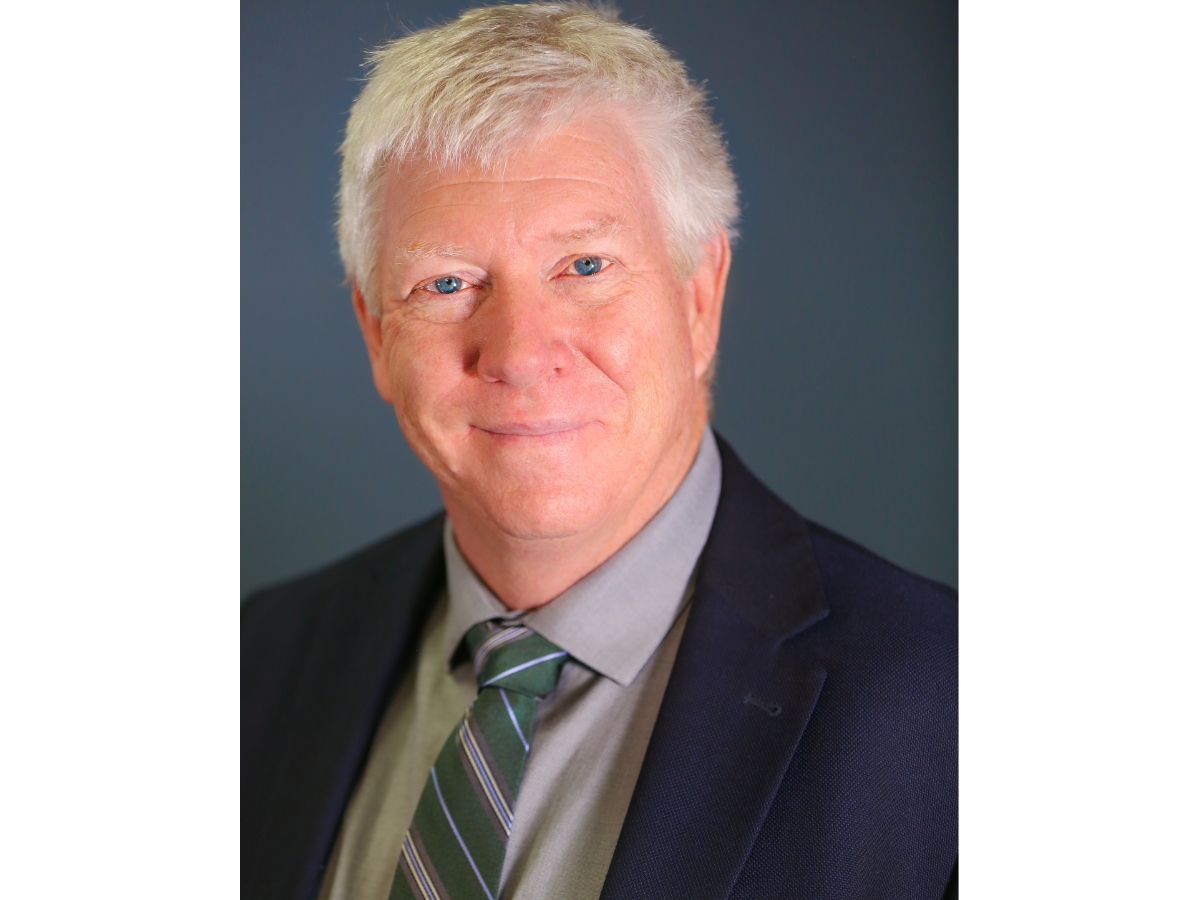
Daniel Neal is the founder and CEO of WaveFront Dynamics Inc, formed in 2019 to bring vision care to those with aberrated corneas. He leads the team of engineers, technicians and support staff to design and build the WaveDyn Vision Analyzer, which dynamically measures all aspects of the human eye’s optical system. This information is used to design customized contact lenses for patients with keratoconus, scars/injuries, transplants, and other ocular distortions. With this technology, many patients are improved from 20/100 or worse to better than 20/20.
Dan received his B.S. degree in Aerospace Engineering from The University of Texas at Austin and his M.S. in Aero/Astro Engineering from Stanford University. He also received a Ph.D. in Aero/Asto and Applied Physics from Stanford. His Ph.D. thesis on laser measurements in fluid mechanics provided a broad background in systems, lasers, and optics.
His professional career began at Sandia National Laboratories in December 1984. He was responsible for the optical systems and laser resonators for the FALCON nuclear-pumped laser system, aimed at beaming power to satellites in geosynchronous orbit. At Sandia, he was instrumental in the development of the first micro-optics and developed the first wavefront sensors for measuring laser beams and optics.
In November 1996, Dan (with brother-in-law and business partner Tim Turner) formed WaveFront Sciences, Inc. to commercialize the wavefront sensor. WaveFront Sciences developed many applications of the wavefront sensor, including beam alignment, measuring hypervelocity seeker window distortion (at Mach 7), telescope mirrors, and the James Webb Space Telescope mirror segments during early grinding and polishing. He led teams to develop nano-scale metrology for silicon wafers, instruments for contact lens and IOL metrology and a first-of-its-kind aberrometer for measuring human eyes. WaveFront Sciences built over 1000 aberrometers for wavefront guided Lasik surgery, coupled to several different commercial laser treatment systems.
In 2007, WaveFront Sciences was acquired by Advanced Medical Optics. At AMO Dan was the Director of Diagnostics and developed the iDesign integrated aberrometer/topographer to further improve wavefront-guided Lasik outcomes on the VISX laser platform. AMO was acquired by Abbott Laboratories in 2009, which sold the ophthalmic division to Johnson and Johnson in 2016. During that time, Dan and his team continued to develop and improve the iDesign family of instruments and to improve the Lasik and PRK outcomes through 12 separate large clinical studies. iDesign wavefront-guided Lasik surgery is now the standard of care for refractive surgery in the US and many other countries.
Dan is also a co-founder and CEO of World Light Power, which builds and installs large shipping-container-based solar power systems for orphanages, medical centers, schools and villages in Africa. WLP has a small, all-African manufacturing team in Kenya and installations in Kenya, Uganda, Sierra Leone and Malawi.
Dan has over 70 patents and 100 publications. He is a frequent contributor and reviewer of various optical and ophthalmic journals and attends and presents at numerous conferences. He is a co-founder and Program Chair of the International Society of Presbyopia, which has held 19 international conferences since 2006. He was an Abbott Volwiler Fellow and a J&J Research Fellow, a Fellow of the Optical Society of America and a recipient of the David Richardson Medal for commercial development of wavefront technology.
Dan lives in Tijeras, New Mexico, with his wife Jayne. They have five children and 22 grandchildren (so far). He is an IFR-rated pilot and owns a Piper Mirage aircraft. His hobbies include flying, skiing, off-road motorcycles, photography, travel, piano, writing, zymurgy and apiculture.
Robert Tachau
Manager, Sandia National Laboratories (Retired)
Ph.D. EM 1991, The University of Texas at Austin, TX
M.S. Civil Engineering 1984, New Mexico State University
B.S. Civil Engineering 1977, New Mexico State University
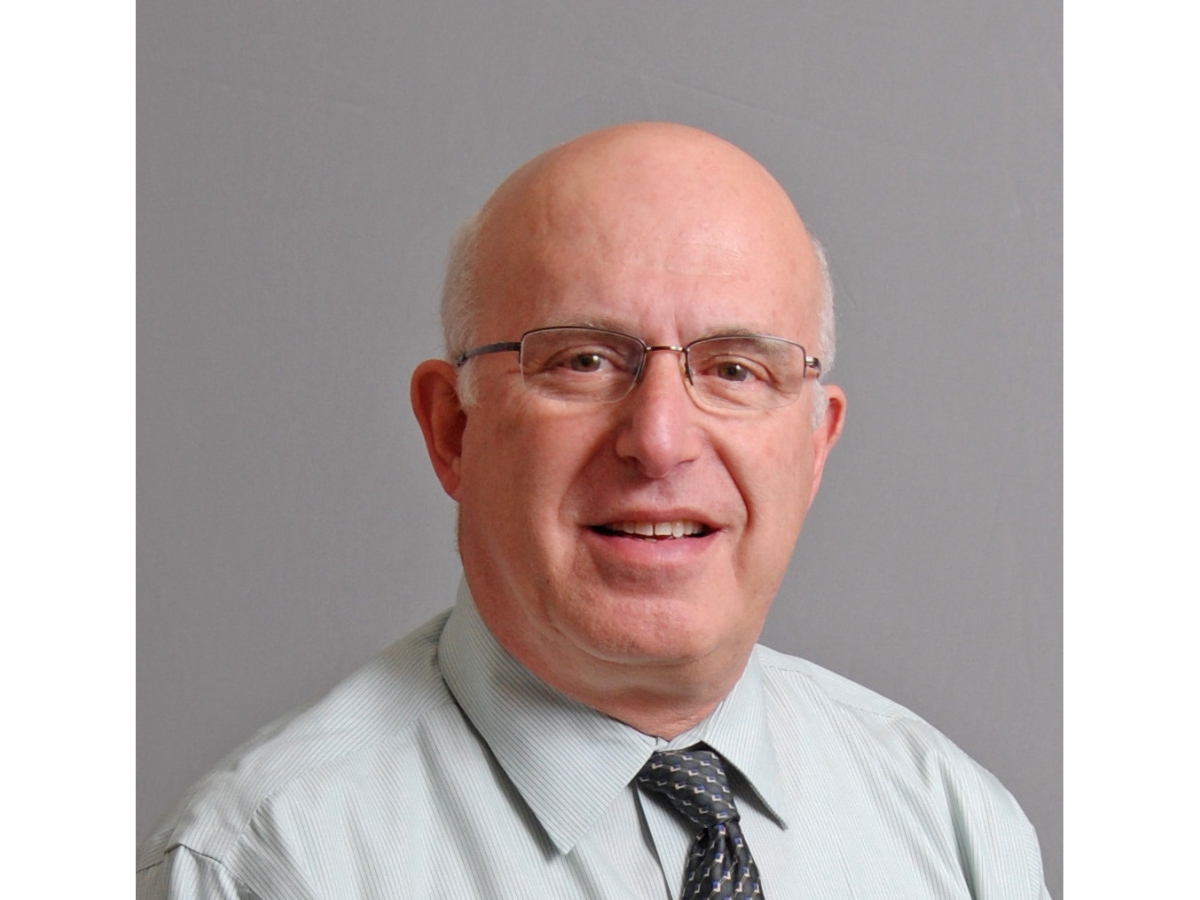
Robert (Rob) Tachau retired from Sandia National Laboratories in May 2018. In his final position at Sandia, Rob was Manager of Sandia’s Nuclear Weapons Engineering Professional Development Department. The department staff manage the curriculum and programs that assure the nuclear weapons enterprise workforce has the requisite technical knowledge to perform their work with confidence, consistency and robustness.
After completing his BS in Civil Engineering at New Mexico State University, Rob was commissioned in the Air Force and spent six years as a pilot. Following pilot training, Rob was assigned as an aircraft commander for the RF-4C Phantom II tactical reconnaissance aircraft. After leaving the military, he returned to NMSU to complete his Master’s Degree in Civil Engineering.
Upon graduation, Rob joined the Technical Staff at Sandia’s Rocket Sled Test Facilities where he was responsible for the design, development and execution of high-velocity, reverse ballistic, rocket sled tests. Additionally, Rob was a Test Director for the Sandia F-4 Aircraft Impact Test. In pursuit of his research interests in rocket sled engineering, Rob was selected for Sandia’s Doctoral Study Program and entered the Graduate Engineering School of the University of Texas at Austin. His dissertation, “An Investigation of Gouge Initiation in High-Velocity Sliding Contact,” is a significant contribution to the rail gouging phenomena body-of-knowledge.
After completing his PhD in Engineering Mechanics, Rob became the Technical Supervisor of Sandia’s Rocket and Dynamic Test Team. Later, after an assignment as a Systems Analyst in the Arms Control Studies Department, Rob was promoted to Manager of the Explosives Applications Department, followed by an assignment as Manager of the Thermal, Fluid, and Aero Experimental Sciences Department. Following this assignment, Rob managed Sandia’s On-Orbit Analysis Department and subsequently, the Nuclear Proliferation Detection R&D Program Office in the Monitoring Systems Technology Center. In January 2017, Rob joined the Management Team in Sandia’s Nuclear Weapons Stockpile Management Center where he served until his retirement in May 2018.
Rob was a Sandia Corporate Recruiter during most of his career at Sandia. He recruited primarily in engineering at New Mexico State University and in Aerospace Engineering and Engineering Mechanics at the University of Texas at Austin. He is an active emeritus member on the UT ASE/EM External Advisory Committee.
He was a registered Professional Engineer in New Mexico until his retirement and is a Life Member of the American Society of Civil Engineers.
Nathan Vassberg
Acting Chief, Office of Safety and Mission Assurance, NASA Headquarters
B.S. ASE 1991, The University of Texas at Austin
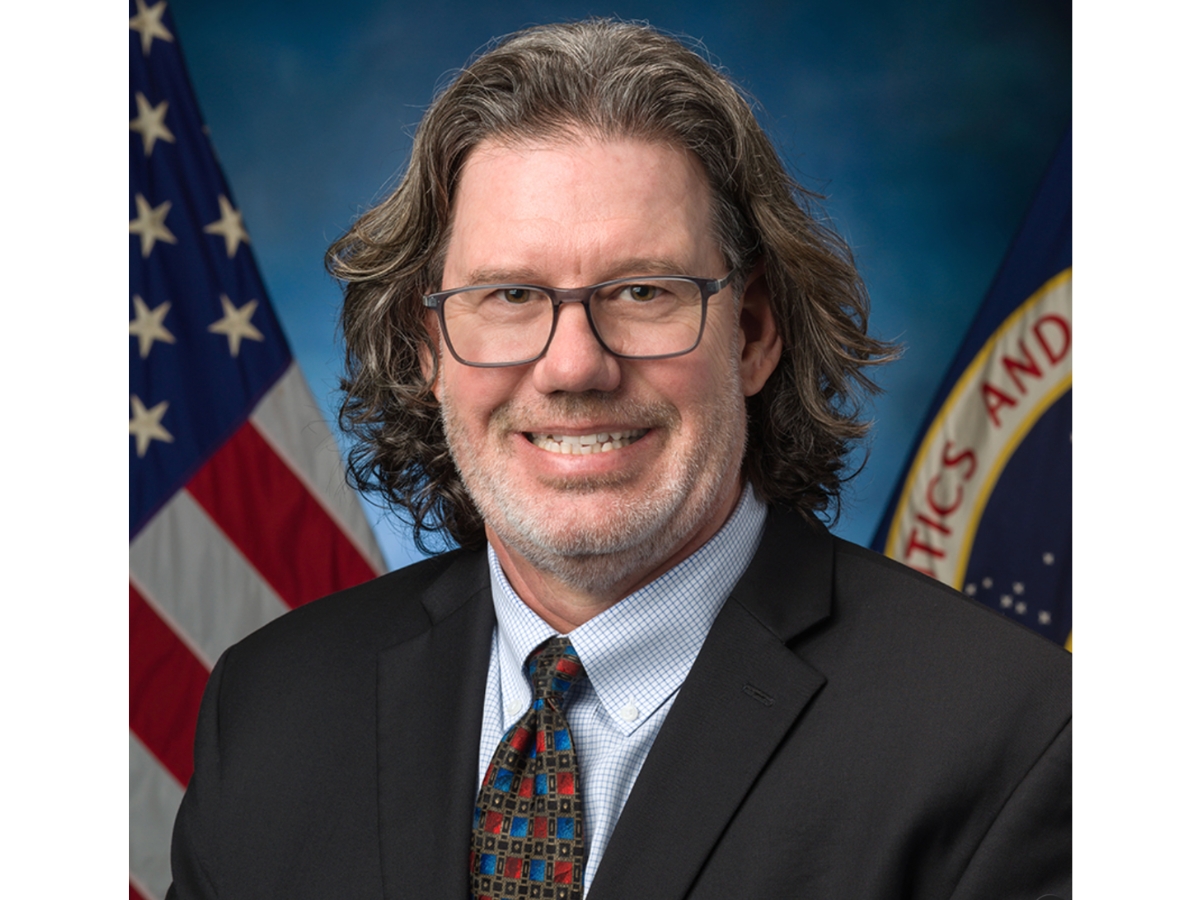
Nathan is the Acting Chief of NASA’s Office of Safety and Mission Assurance (OSMA) at NASA Headquarters, appointed in December 2025. He also serves as the Artemis/Moon to Mars Safety and Mission Assurance Director. He is responsible for the overall technical and policy aspects of NASA missions and operations, overseeing agency-wide Safety and Mission Assurance (SMA) activities across all NASA centers and programs.
Growing up on a third-generation farm in deep South Texas, Nathan learned work ethic, values, and how things worked from his parents while repairing equipment and solving problems hands-on. That experience led him to pursue engineering at The University of Texas at Austin, and his interest in flight and space made aerospace a natural choice. Nathan still draws on those farm lessons to simplify complex NASA technical issues down to first principles.
Nathan began his NASA career in 1995 as International Space Station (ISS) safety lead and international partner liaison. He was deeply involved in the design, development, and operations that led to the successful and safe assembly of the ISS, supporting over 40 assembly flights and ensuring integrated safety across international partners. He chaired the ISS Safety Review Panel for 15 years and the Payload Safety Review Panel for five years. He served as ISS Safety Manager from 2012 to 2013, then became Chief SMA Officer for NASA’s Commercial Crew Program (2014–2021), where he implemented a risk-based surveillance approach that reduced costs by 60% without compromising effectiveness. Nathan worked closely with commercial providers, leading to the first crewed flight of a commercial spacecraft—SpaceX Dragon—marking a historic milestone in human spaceflight. From 2021 to 2023, he was Deputy Director of SMA at Johnson Space Center. From 2024 to 2025, he directed SMA for the Moon to Mars programs, helping prepare for the first human flight beyond the Moon in over 50 years.
Nathan’s contributions have been recognized with numerous honors, including the NASA Distinguished Service Medal (2021), NASA Outstanding Leadership Medal (2014), NASA Exceptional Service Medal (2007), and the Space Flight Awareness “Silver Snoopy” Award (2002). He has also received multiple Group Achievement Awards, Superior Accomplishment Awards, and commendations for leadership and safety innovation, as well as being nominated for the Rotary National Award for Space Achievement Mid-Career Stellar Award (2019).
Nathan lives in Houston with his wife, Christy. They enjoy time with their six children and three grandchildren —Casey, Everett, and Maggie – and one more on the way. Nathan and Christy love traveling to unique places, camping, boating and fishing with their family. Natha also enjoys getting his hands dirty working on family cars and tackling home improvement projects.
Eugene Ripperger (1914–2014)
Professor of Engineering Mechanics, The University of Texas at Austin
(Retired)
B.S. Civil Engineering, Kansas State University
M.S. Mechanical Engineering, The University of Texas at Austin
Ph.D. Stanford University
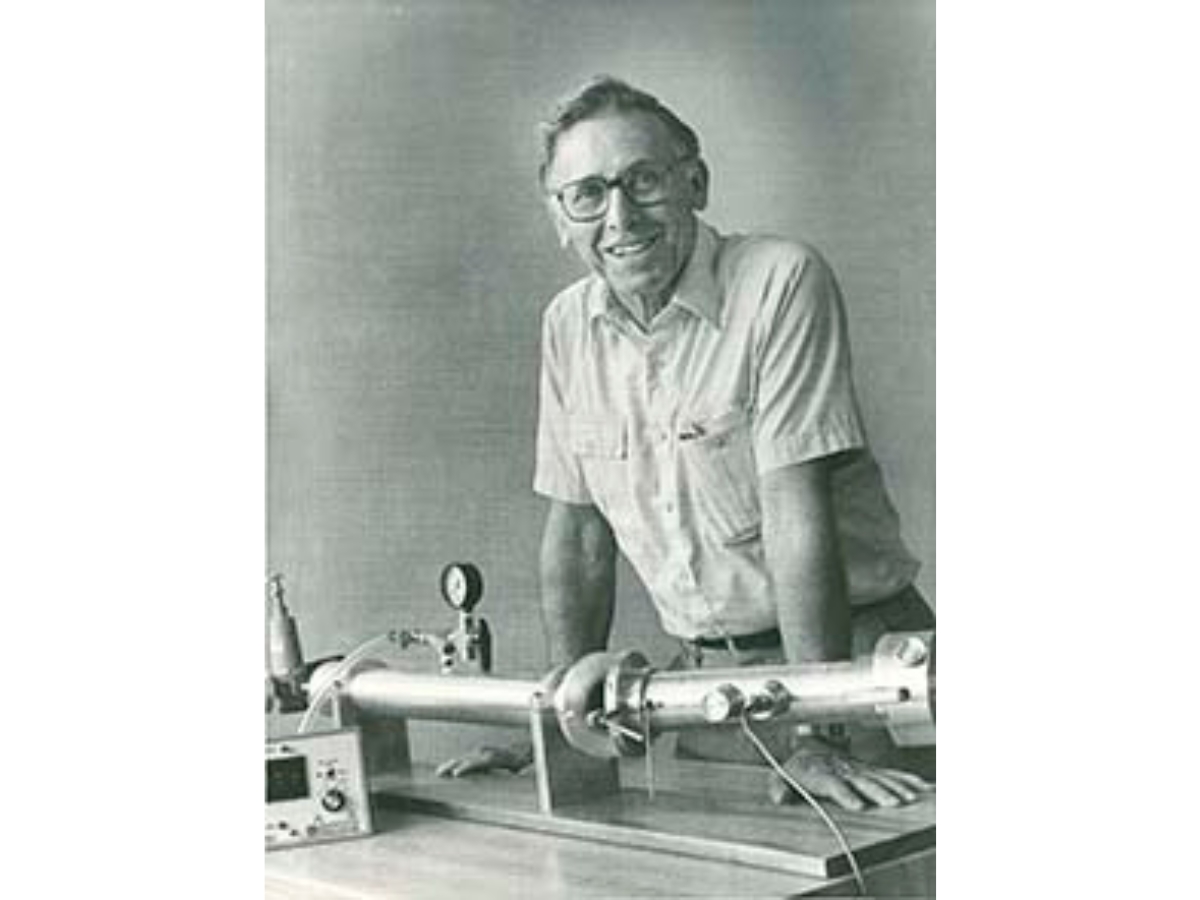
Eugene Arman “Rip” Ripperger (1914–2014) was a longtime professor of engineering mechanics at The University of Texas at Austin and a respected researcher in the study of wave propagation, impact loading, and experimental mechanics. Over a career spanning more than three decades at UT Austin, he became widely known as a dedicated educator and innovative experimentalist whose work advanced understanding of how materials respond to shock and high-speed loading.
Ripperger earned a B.S. in Civil Engineering from Kansas State University in 1939. After serving as a lieutenant and radar officer in the U.S. Navy during World War II, he continued his education through the G.I. Bill, completing an M.S. in Mechanical Engineering at The University of Texas at Austin and later a Ph.D. at Stanford University in 1952. He then returned to UT Austin, where he taught and conducted research in engineering mechanics until his retirement in 1982.
Throughout his career, Ripperger pioneered experimental techniques to measure shock waves and material response under extreme conditions. His work included early use of piezoelectric sensors to measure surface waves and research that helped improve shock-isolation systems used by the U.S. Army.
He also collaborated with Sandia National Laboratories and authored numerous technical papers and reports, in addition to co-authoring the textbook Mechanics of Elastic Structures.
A devoted mentor, Ripperger advised dozens of graduate students and was known for his patient, one-on-one guidance. His legacy continues through the many engineers and researchers he trained and through his lasting contributions to engineering mechanics.
For a full memorial resolution, see the article: Eugene Arman “Rip” Ripperger Memorial Resolution.