Building the People Who Build Rockets
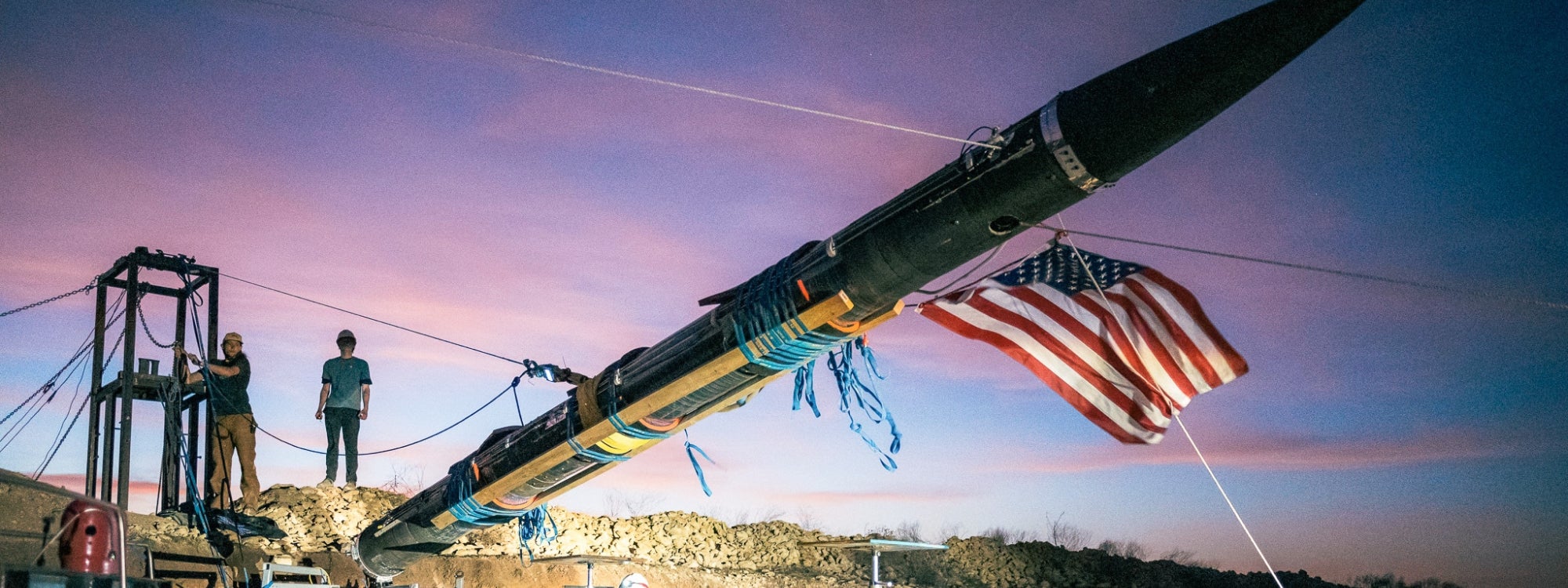
The easiest way to understand the Texas Rocket Engineering Lab (TREL) is to look at its rockets.
They are big and complicated. They demand precision, persistence and an exceptional tolerance for uncertainty. And when something doesn’t work as expected, there is no textbook waiting with an immediate answer as to why.
There are students.
Students who have to figure out what happened, determine what needs to change and decide what to do next.
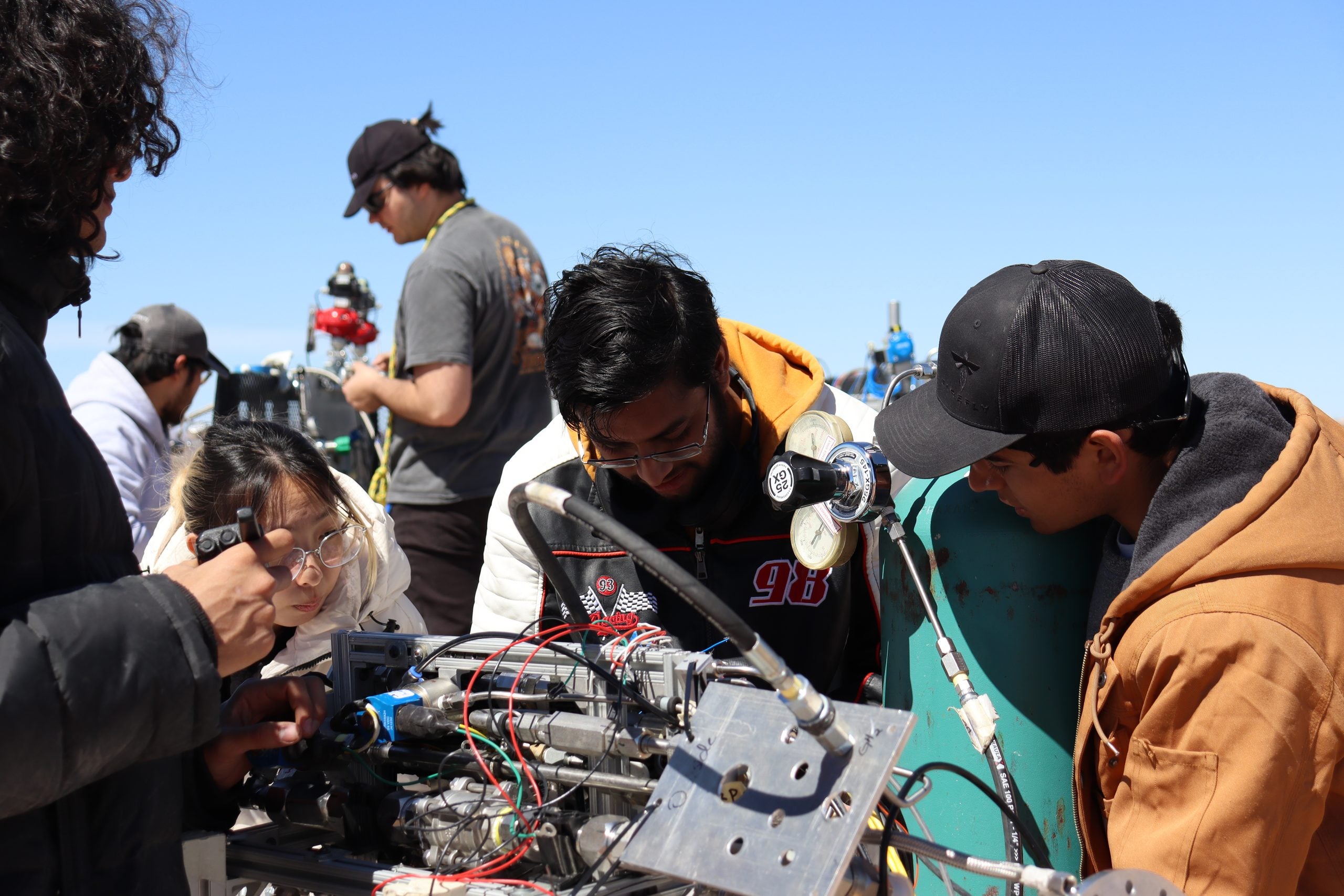
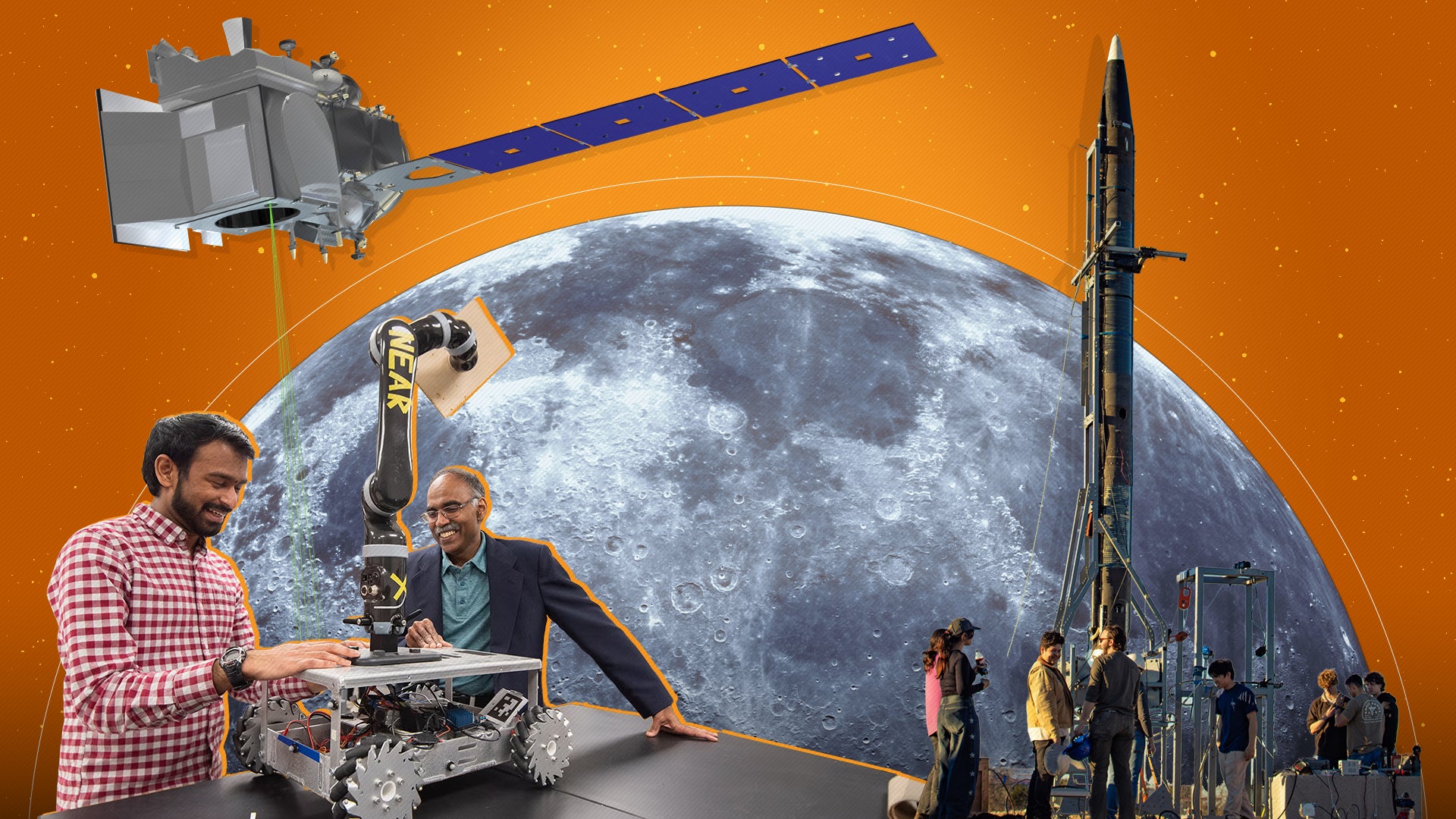
TREL is an interdisciplinary research lab where undergraduate students build rockets while developing the technical, leadership and problem-solving skills needed to become the next generation of rocket engineers.
That’s what makes up the fabric of TREL. It is a place where students learn what it means to take an idea from a drawing on a computer screen to hardware in the real world, often while balancing classes, internships and everything in between.
Kushal Ambatipudi has spent the past four years doing exactly that.
Now a senior aerospace engineering student and TREL’s chief engineer for test and launch, Ambatipudi joined the organization as a freshman looking for hands-on experience with rockets.
“I’ve always loved rockets. When I was a freshman, the opportunity to contribute to a team that builds a rocket in an undergraduate setting was too good to pass up,” Ambatipudi said.
Four years later, he helps create the same kind of experience that first drew him to TREL. Along the way, he has found an environment that has tested not only his technical knowledge but also his ability to lead, communicate, make decisions and keep going when things did not go according to plan.
TREL’s motto captures the larger mission: “We build people who build rockets.”
The rockets may be what first draws students in, but the experience of building them is what changes them.
Beyond the classroom
In a classroom, there is usually a defined problem and a known set of tools to solve it. Students learn the fundamentals, derive equations and complete laboratory exercises designed around a specific objective.
At TREL, the objective may be clear, but the path to achieving it is not.
“This rocket lab is hands-on and much more personal. It’s their design, their solution, the critique they receive from their peers and, ultimately, their opportunity to take that feedback and improve,” explained Kevin Sagis, TREL’s director.
A part may be difficult or impossible to manufacture as designed. A component may cost more than expected. A system may behave differently than predicted. A test may reveal a problem that sends students back to the drawing board.
“You get to see how an idea evolves through design, manufacturing, testing and, ultimately, flight,” Sagis said.
For Ambatipudi, that process connected concepts from his classes to problems he could actually see and solve.
He remembers learning concepts in class and wondering how they would apply outside an exam. At TREL, those same concepts became real tools, from applying stress principles to release mechanisms to using fluid-flow concepts while developing a rocket startup sequence.
“Getting to actually work on something with my hands, put all of these concepts together, fly it and automate it is something that can’t really be replicated in a classroom,” he said.
The experience also pushed students beyond the boundaries of their primary disciplines.
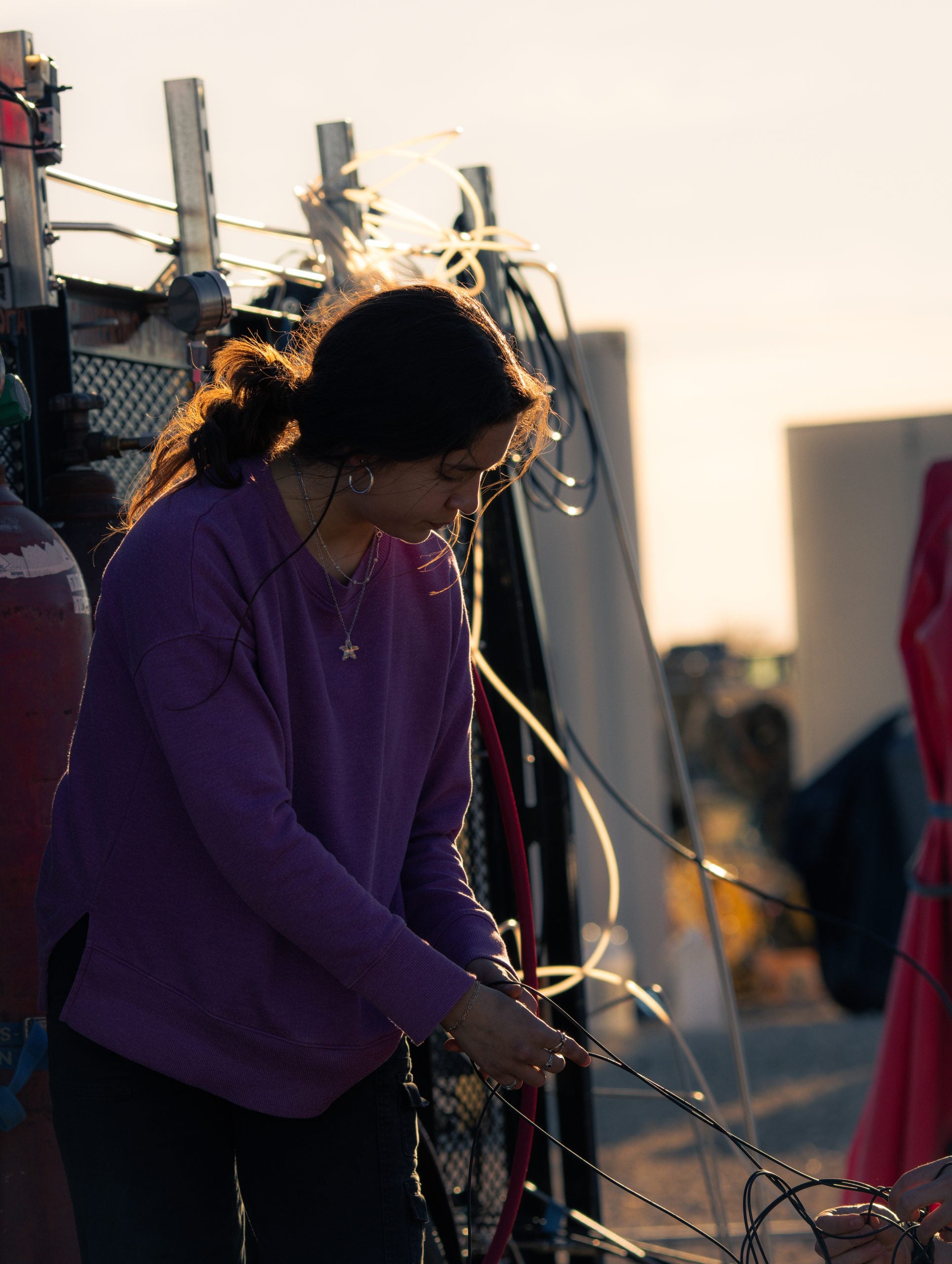
When Isabella Chaump, an electrical and computer engineering major, joined TREL in fall 2025, she was initially drawn to the organization through its corporate development team. She wanted to work with industry partners and sponsors but eventually began spending time at the test site and joined the test and launch electrical team.
Suddenly, she was learning about fluid dynamics, structures and mechanisms, areas that are normally outside of her electrical and computer engineering coursework.
The message was never, ‘You don’t know this’ It was, ‘We don’t care if you don’t know it yet. We care that you want to learn’
Isabella Chaump
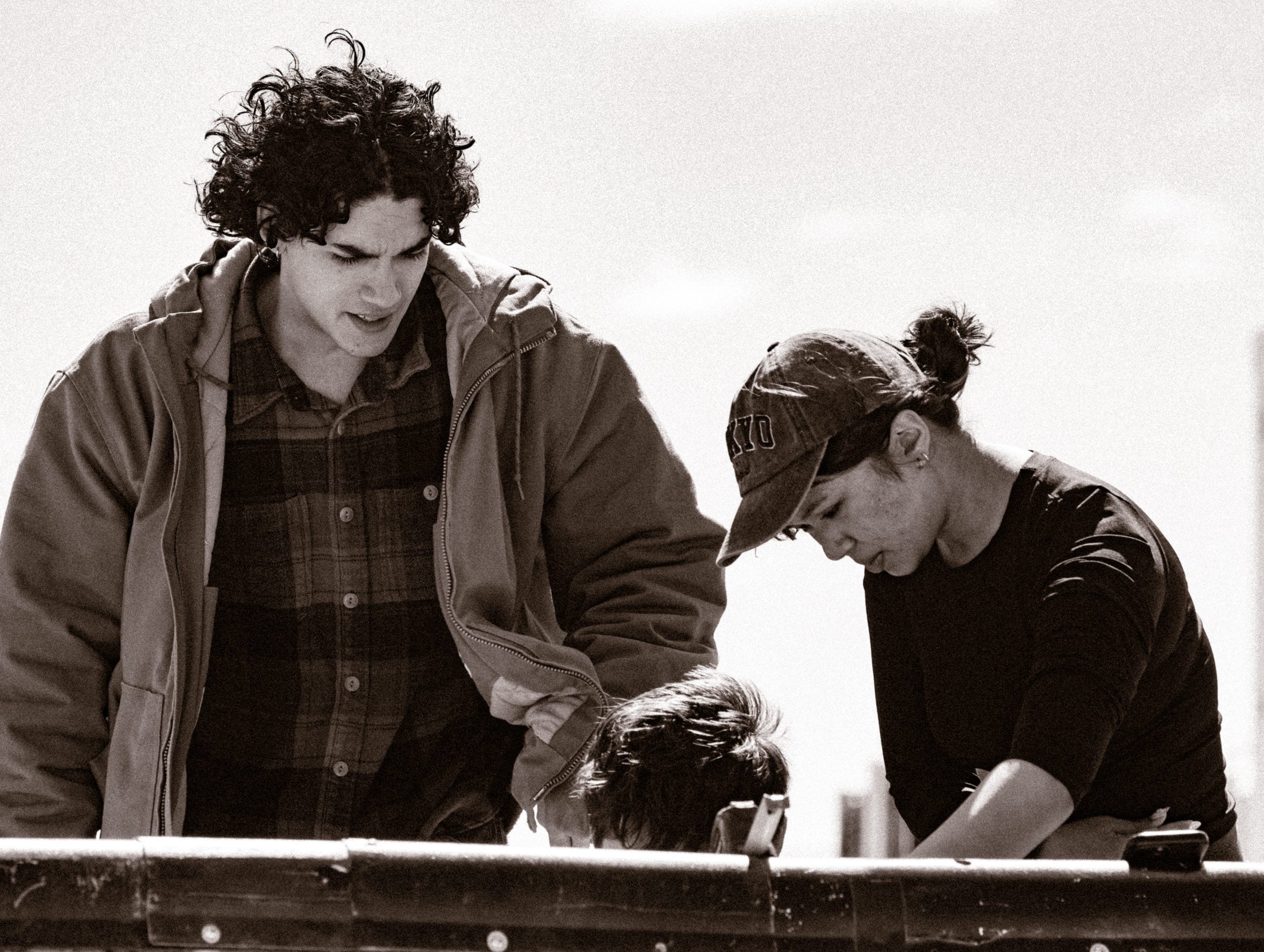
Building the people behind the hardware
Technical experience is only part of the education TREL provides.
Students also learn how to lead teams, manage resources, work with industry partners and navigate the practical challenges of operating an aerospace organization.
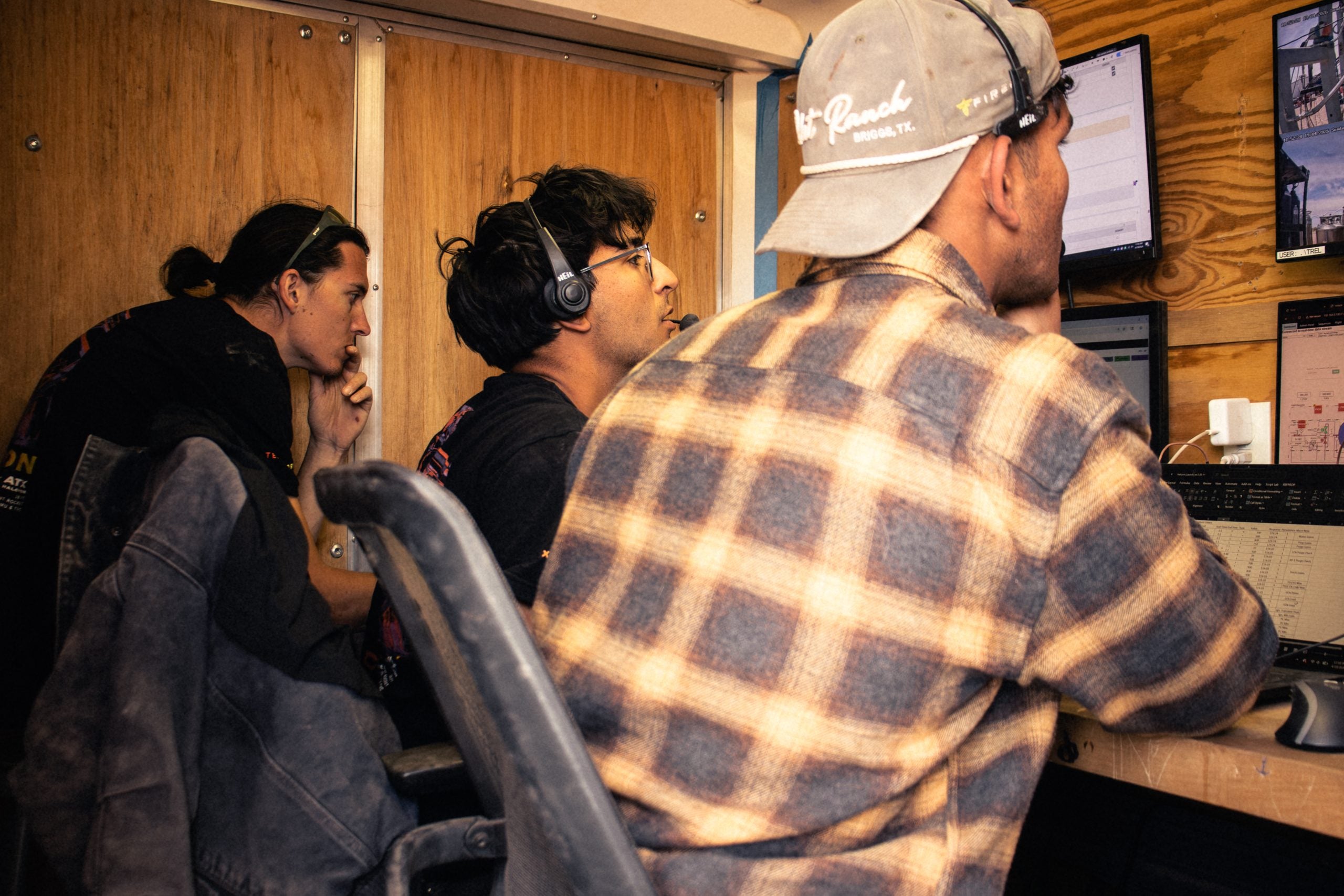
As chief engineer for test and launch, Ambatipudi coordinates test campaigns, launch activities and the sequencing of rocket and engine operations. He leads about 20 students, with an emphasis on both their technical and professional development.
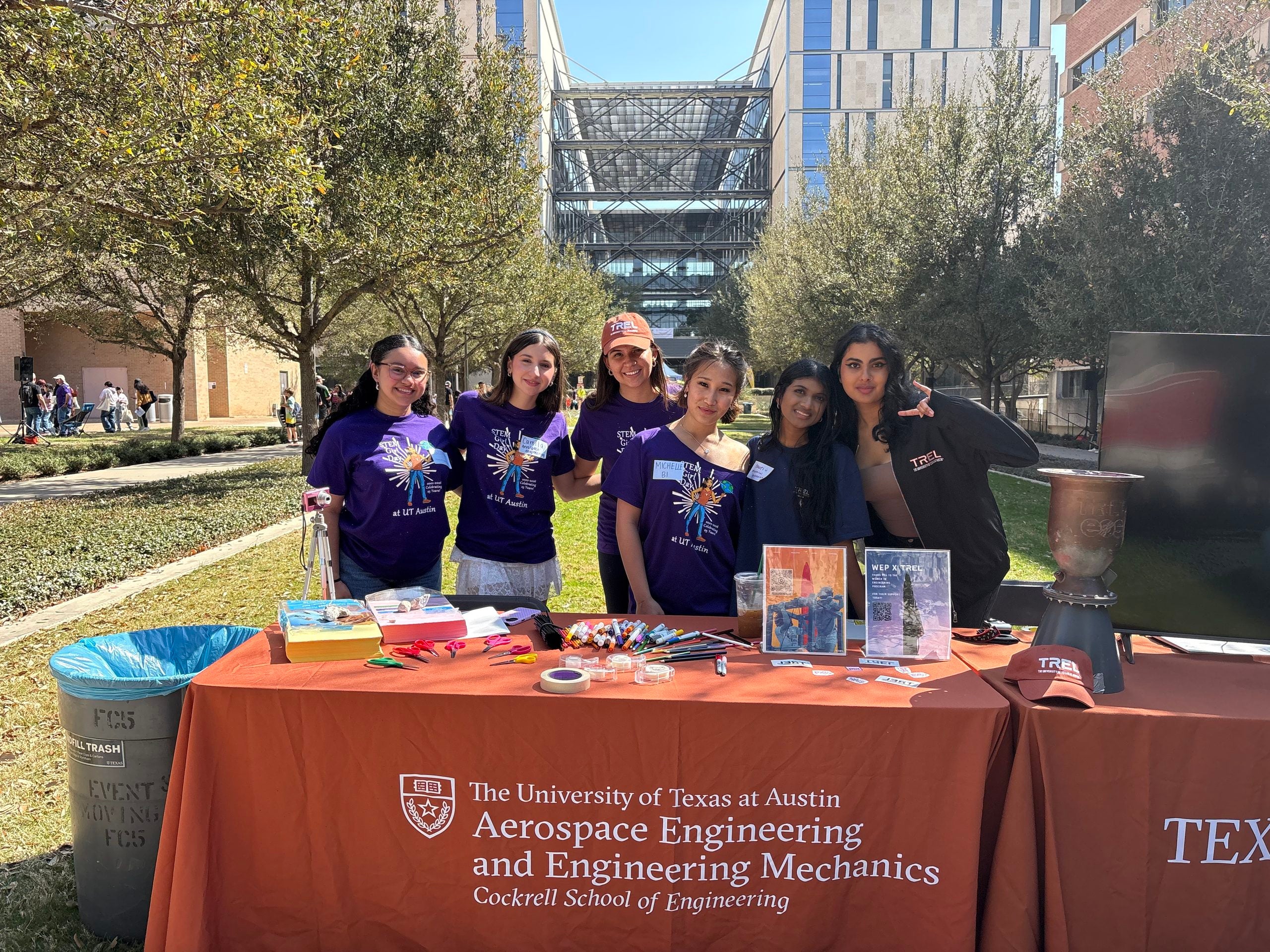
For Chaump, TREL has shown how engineering extends beyond technical knowledge. She now helps lead teams, supports outreach and recruitment and contributes to test and launch operations, applying what she learns across different areas of the organization.
The lab also asks students to think beyond engineering.
TREL has budgets to manage, contracts to navigate, industry relationships to build and regulatory requirements to understand. Students may spend one day solving an engineering problem and the next working through the logistics or business side of a project.
“We have to run TREL like a business,” Sagis said. “We have to be fiscally responsible, and we have to find the resources we need to operate.”
All of those skills came together in Halcyon, a project that asked students to apply what they had learned across engineering, leadership, business and operations.
Learning to build something hard
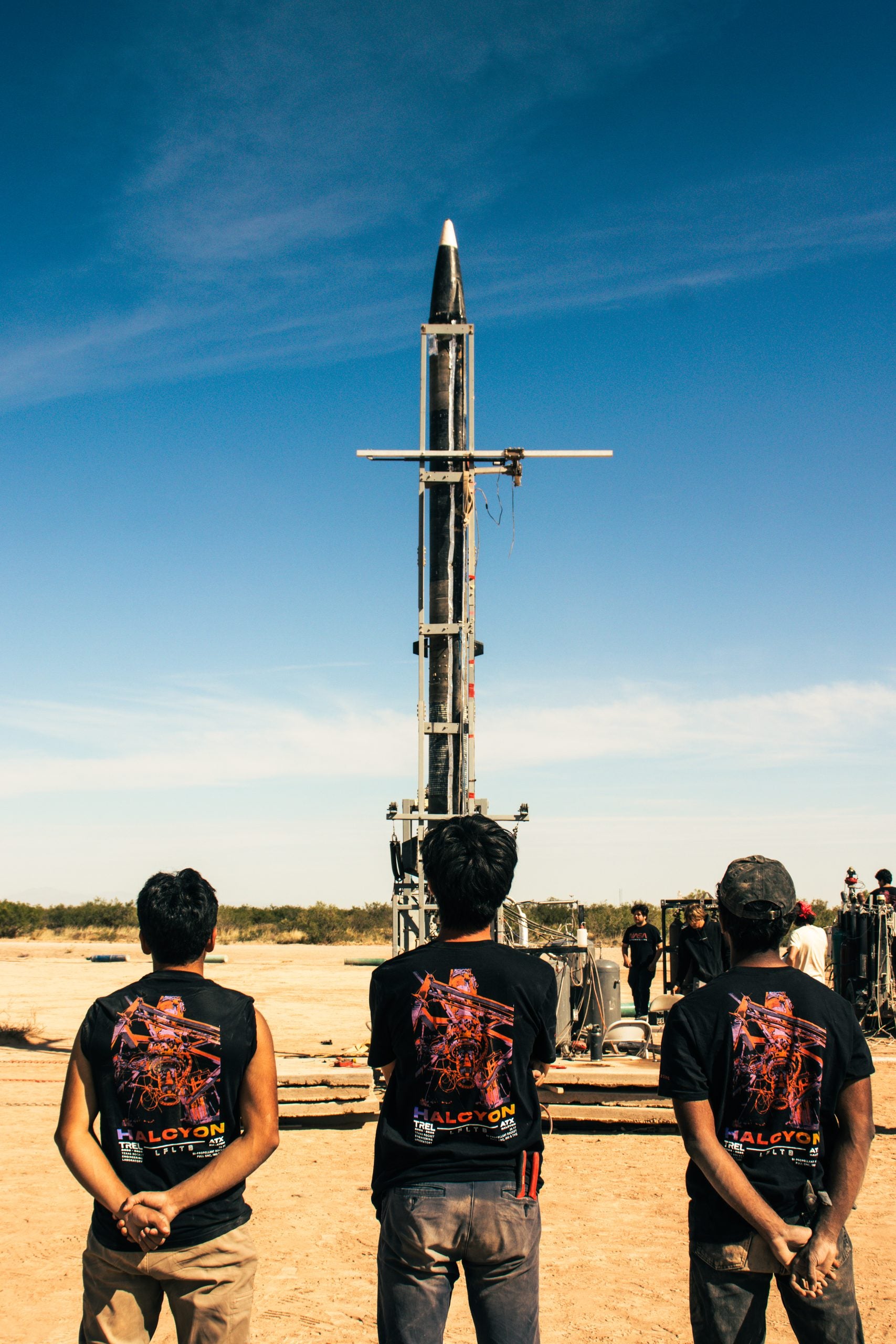
Built and led entirely by undergraduates, the 28-foot rocket represented more than two years of design, testing and development. The vehicle combined bi-propellant cryogenic rocketry with an active guidance system capable of controlling its trajectory during flight.
Developing and preparing a vehicle at that scale required students to work through technical challenges alongside safety, legal and regulatory requirements. Every step, from design and testing to transportation and launch preparation, added another layer of complexity.
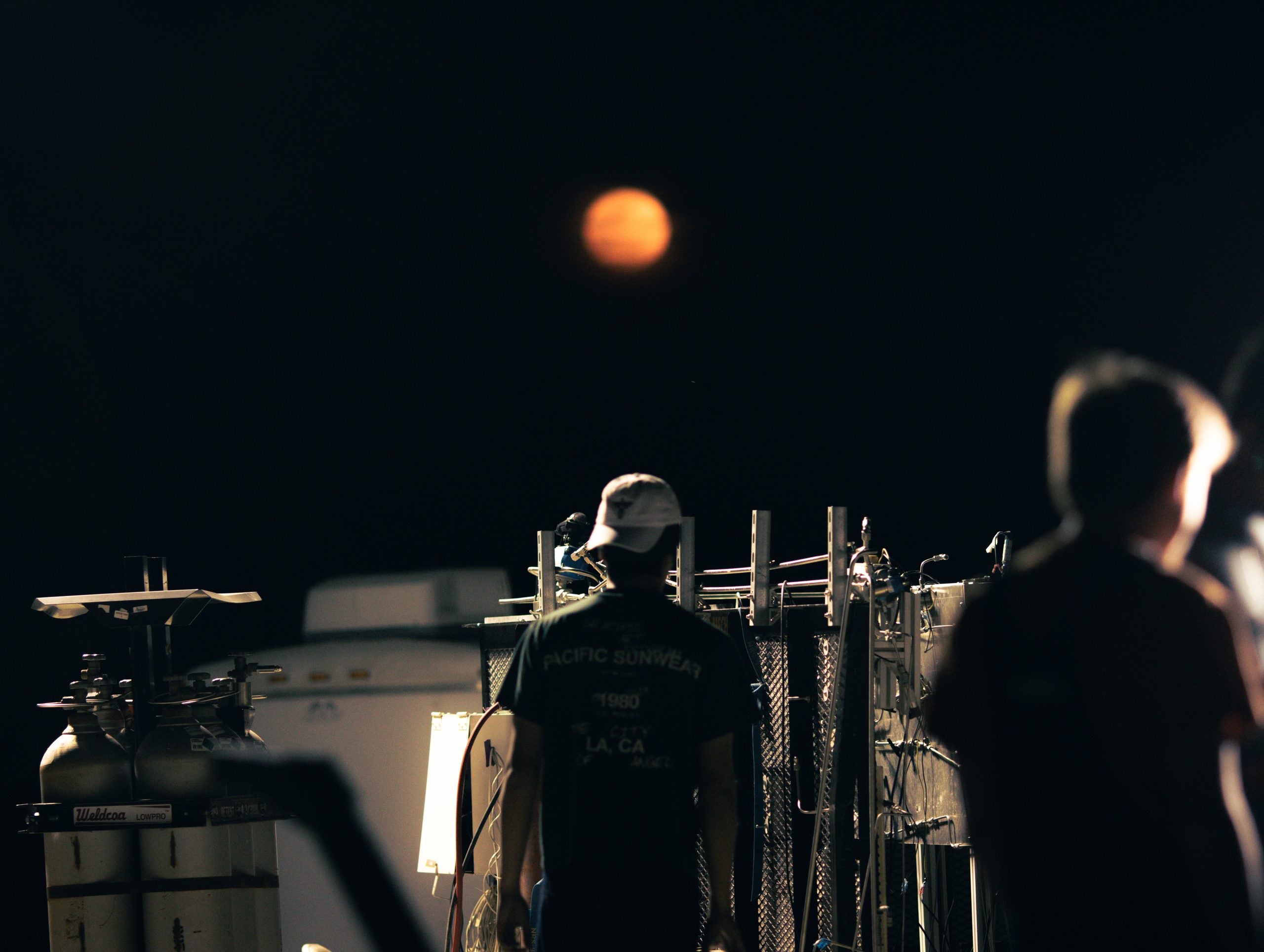
The team eventually transported Halcyon from Texas to Spaceport America in New Mexico.
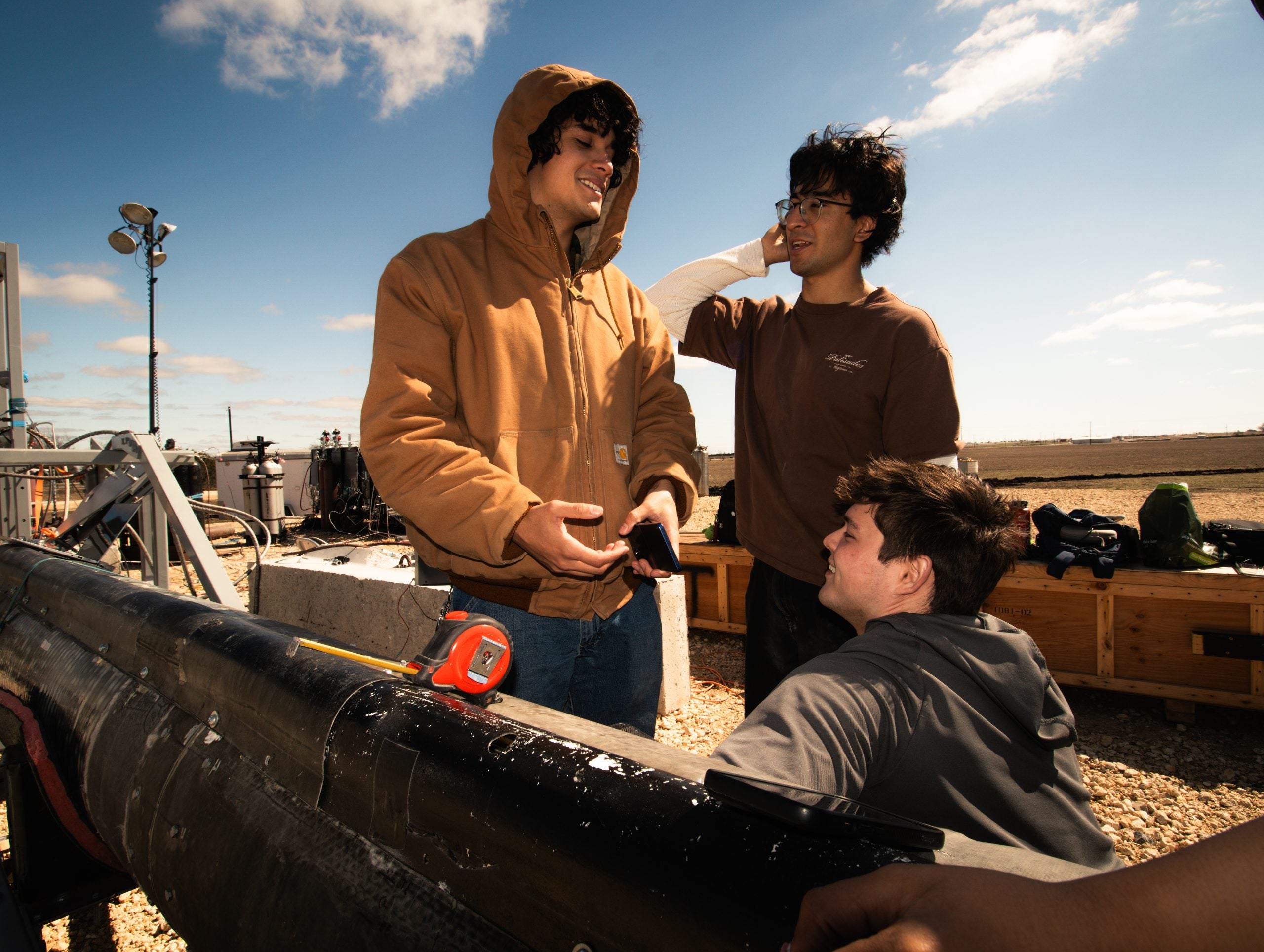
For Landon Croker, who had spent nearly three years with TREL, seeing the rocket arrive at the site was surreal. He was among the first students to travel there, helping load the rocket into a box truck before driving through the night.
“We showed up at the launch site around midnight,” he said. “I remember thinking, ‘OK, we’re actually going to fly this thing in a couple of weeks. This is a big deal.’”
But when launch day arrived, the mission unfolded differently than the team had hoped.
The team spent the summer analyzing what happened, reviewing data and examining the decisions made throughout the development process. Two smaller projects, Basilisk and Kestrel, are now allowing students to work through specific issues identified during the launch campaign before incorporating those lessons into future vehicles.
For Chaump, that has meant rebuilding ground electrical equipment and applying what the team learned to make the system better.
“You had to learn by doing, and you had to learn quickly because there was always another problem to solve,” she said.
Sagis sees that process as one of TREL’s most important lessons.
“Even if the outcome of a test isn’t what you expected and could technically be called a failure, it’s not really a failure if you learned something from it,” he said.
Even if the outcome of a test isn’t what you expected and could technically be called a failure, it’s not really a failure if you learned something from it
Kevin Sagis
For TREL students, the lesson is not simply how to make a rocket work.
It is how to respond when it does not.
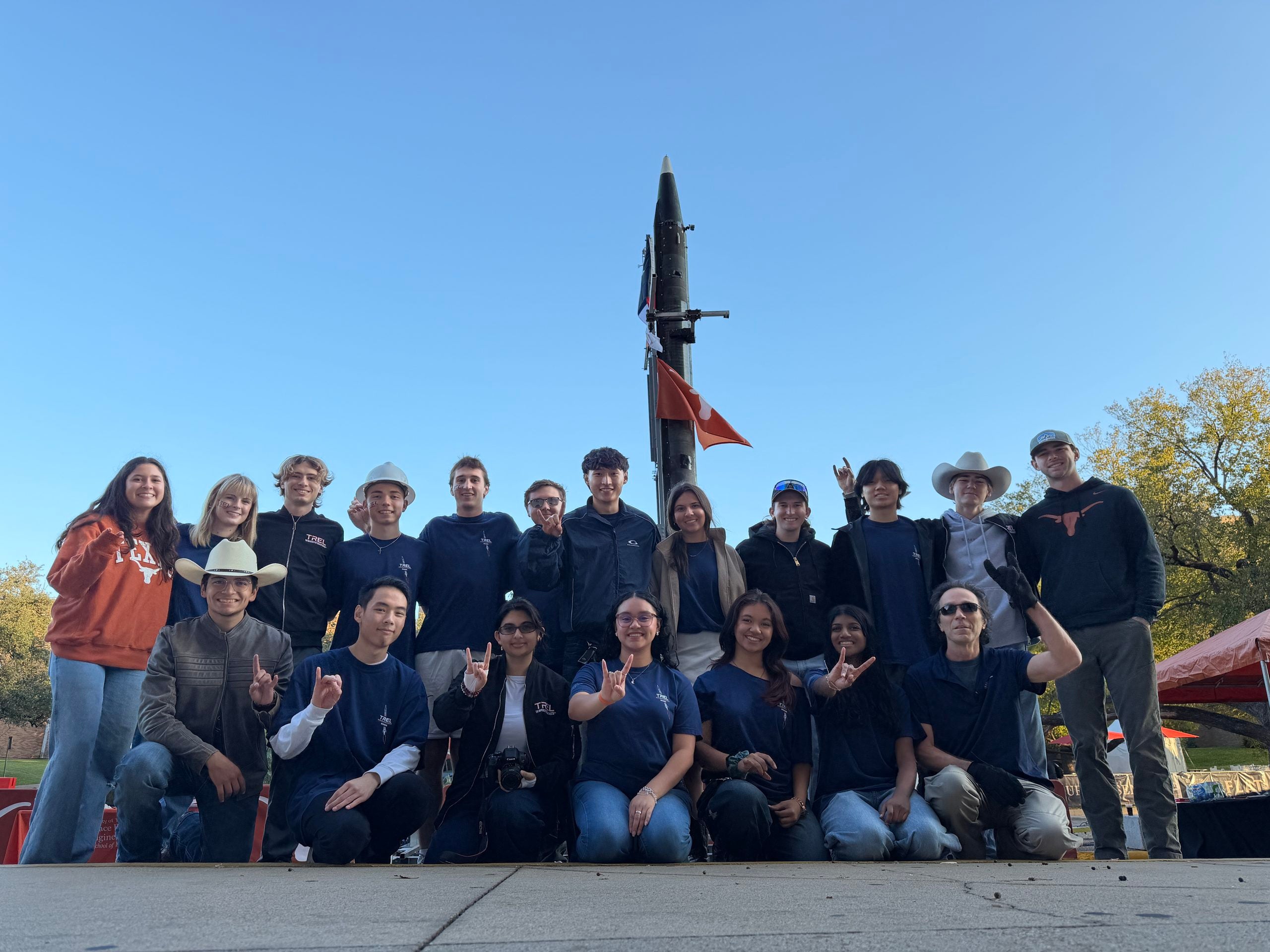
Carrying the lessons forward
For students nearing graduation, those lessons are already beginning to shape what comes next.
According to TREL team statistics, the organization has more than 700 alumni working in industry.
For Chaump, TREL has shaped her understanding of what it means to be an engineer, reinforcing the value of curiosity, adaptability and a willingness to learn.
“I think TREL isn’t about how smart you are when you walk in the door,” Chaump said. “The biggest thing, to me, is that if you’re looking for a place at UT where you’re going to be encouraged to grow and learn, TREL gives you every opportunity to do that.”
For Ambatipudi, TREL changed his understanding of what he wanted to do in the first place.
He entered UT unsure whether engineering was the right path for him. Working on rockets, leading teams and solving problems with other students gave him the confidence to see himself as an engineer.
“I think there’s a big transition between pre-TREL Kushal and post-TREL Kushal,” he said.
Now, as he prepares to graduate, he is thinking about the students who will follow him.
Much of what he learned came from students who were willing to teach him when he was new. He now sees it as his responsibility to help the next generation get the same opportunities.
That is the cycle TREL hopes to create: Students learn from those who came before them, then carry those lessons forward for the students who come next.
The rockets will change. Halcyon will eventually give way to Basilisk, Kestrel and whatever comes next. Students will graduate, join aerospace companies and begin building vehicles and systems of their own.
But the lessons move with them.
The confidence to tackle a problem they have never seen before. The ability to work across disciplines. The willingness to test an idea, learn from the result and try again. The understanding that ambitious engineering is rarely a straight line.
And, perhaps most importantly, the responsibility to pass what they have learned to the next generation.