
The Texas Engineers Problem Solving on Artemis II
From the launch pad to the moon, Texas Engineers are with the astronauts every step of the way.
But these astronauts didn’t face this daunting trial alone. They received support from hundreds of people on the ground, including numerous Texas Engineering alumni, all working to ensure that four humans managed to return to Earth safely.
It was no small feat. If something had gone wrong, Reid Wiseman couldn’t Google how to fix it. When there’s a problem, famously, there is only Houston, and a thin radio band supported by the Near Space Network and Deep Space Network working hand in hand to deliver data and communications.
Judd Frieling (B.S. aerospace engineering 1996) is a key figure on the ground, controlling the Orion flight capsule from NASA’s Johnson Space Flight Center.
“So as a flight director, I’m in charge of the folks that are in mission control,” Frieling explained. “We made sure that we have all the telemetry and make calls to the crew for any failures that they may have, advise them on various caution and warnings, any messages that they may get. We are essentially the controlling entity for the vehicle after liftoff.”
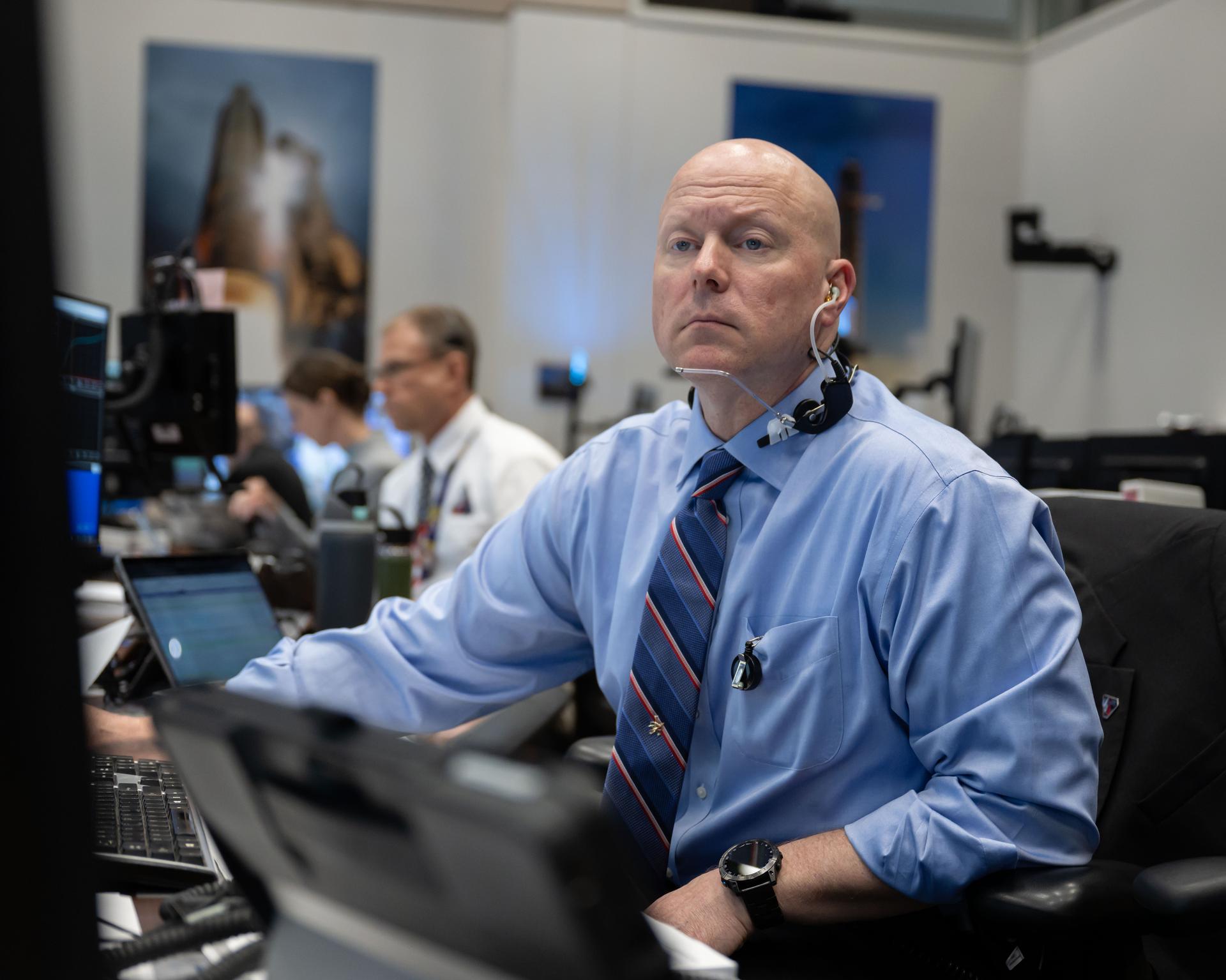
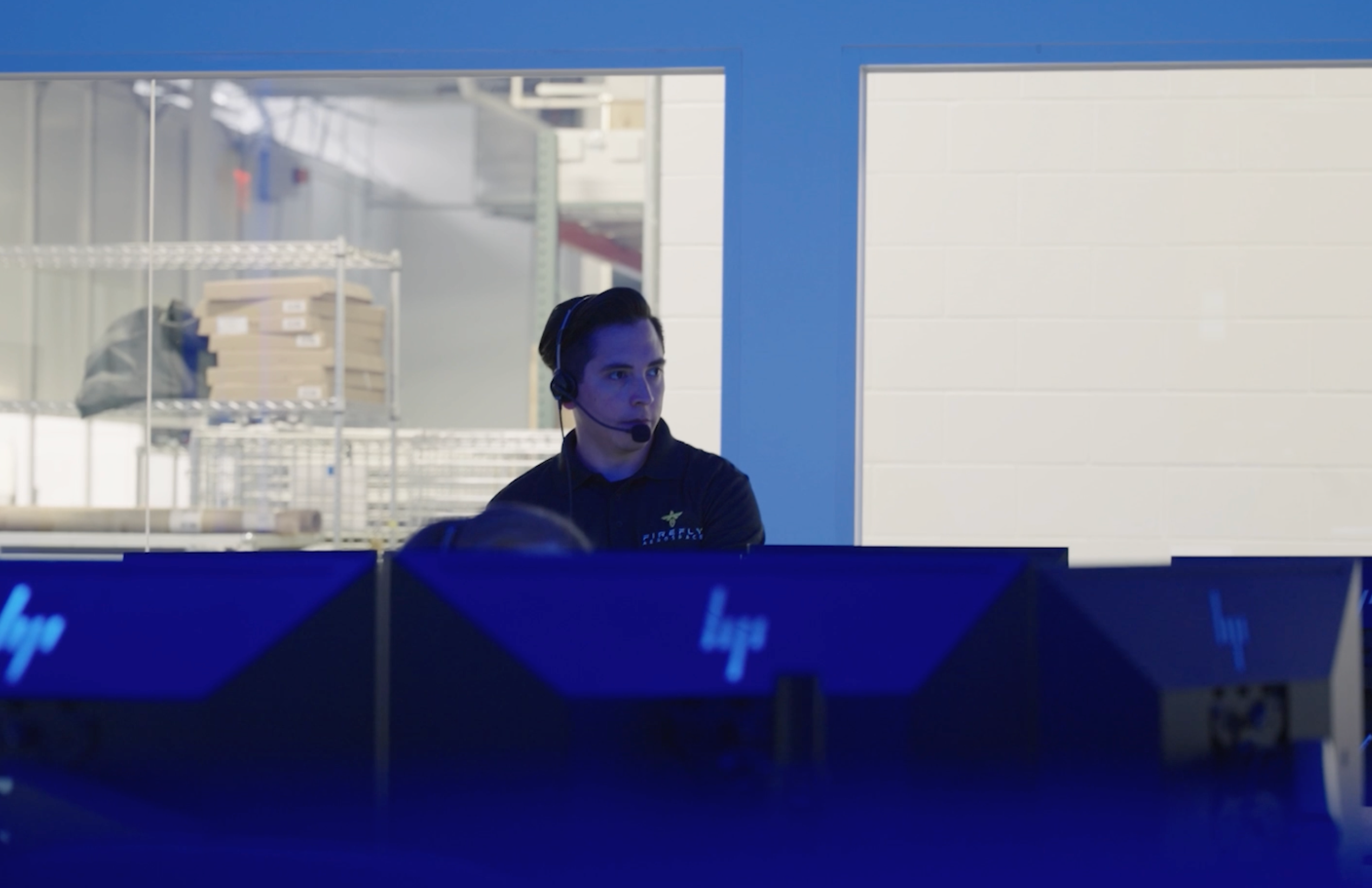
Judd Frieling, Artemis II lead flight director for ascent, in Mission Control during the launch.
Frieling is one of the first voices the astronauts hear when they have a problem. He is a manager of cautions, warnings, messages and everything the astronauts need to hear after launch to succeed. Around him, teams tackle small chunks of the big challenge: Getting the astronauts back safely.
If the Artemis II mission had, for example, discovered a problem with their telemetry, Frieling would have been among the first to hear about it.
David Dannemiller (B.S. aerospace engineering 1979 and M.S. 1981) would be one of the next people to hear about it.
What the public sees—both in the movies and on NASA TV, as spaceflight missions are broadcast—is what’s known as the “front room” for engineers. But just like in a restaurant, there’s a whole slew of support staff in the back, working to respond to anything the front room might need. Dannemiller is the deputy manager of Orion Guidance, Navigation and Control (GNC) systems and is responsible for the complex array of software and physical design that gets the astronauts home safely.
“In my elevator speech, when somebody asks me what I do, I tell them that I put people in space and get them home,” Dannemiller said.
Which requires a lot of detail-oriented work. Things like: ensuring that the Orion capsule remains a habitable environment. Do the people inside the capsule have enough air? They’ll need food and water, and they’ll need a place to use the bathroom. That’s a more complicated problem than people realize, Dannemiller says.
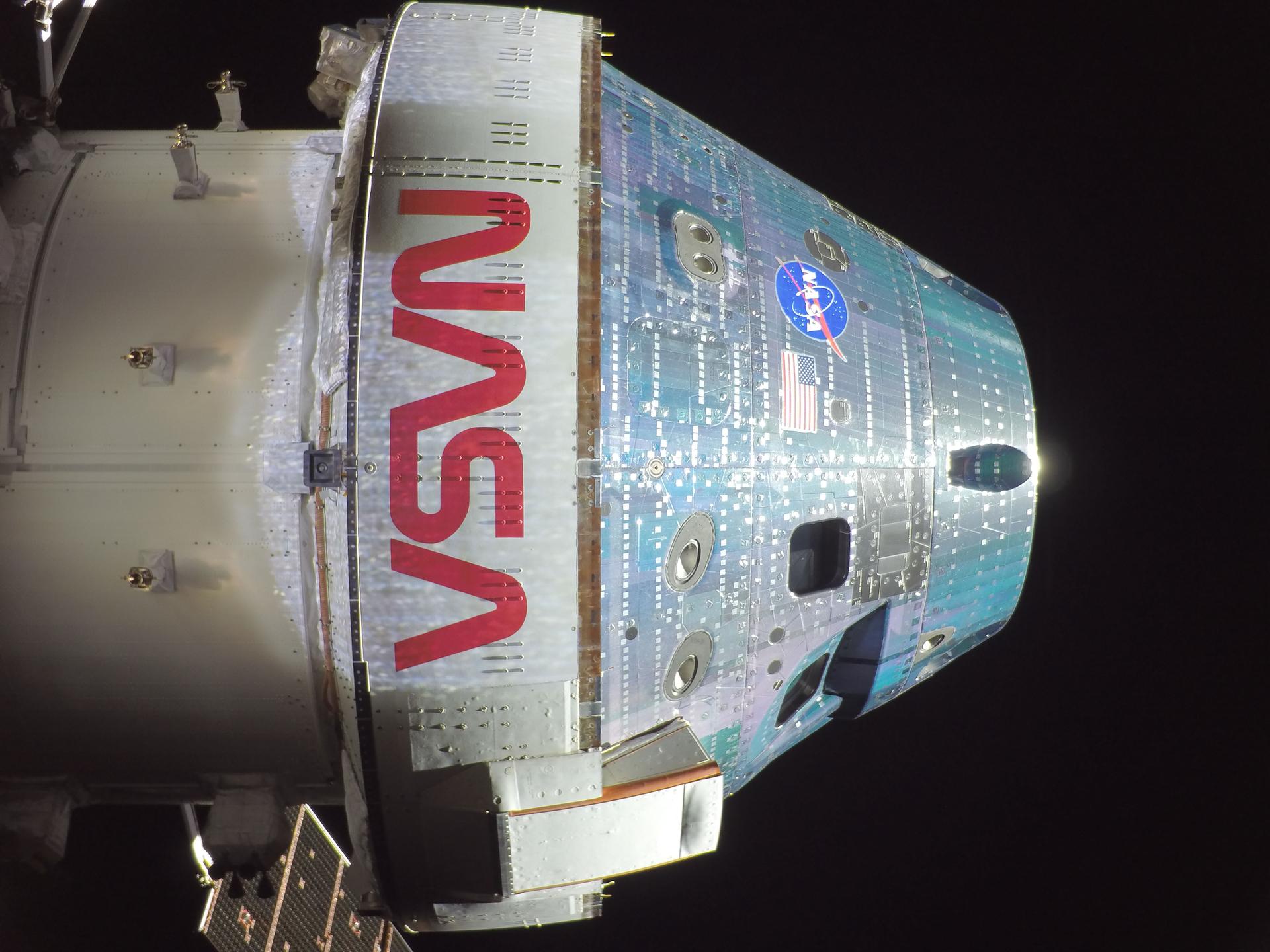
Orion captures a high-resolution selfie during the Artemis II mission.
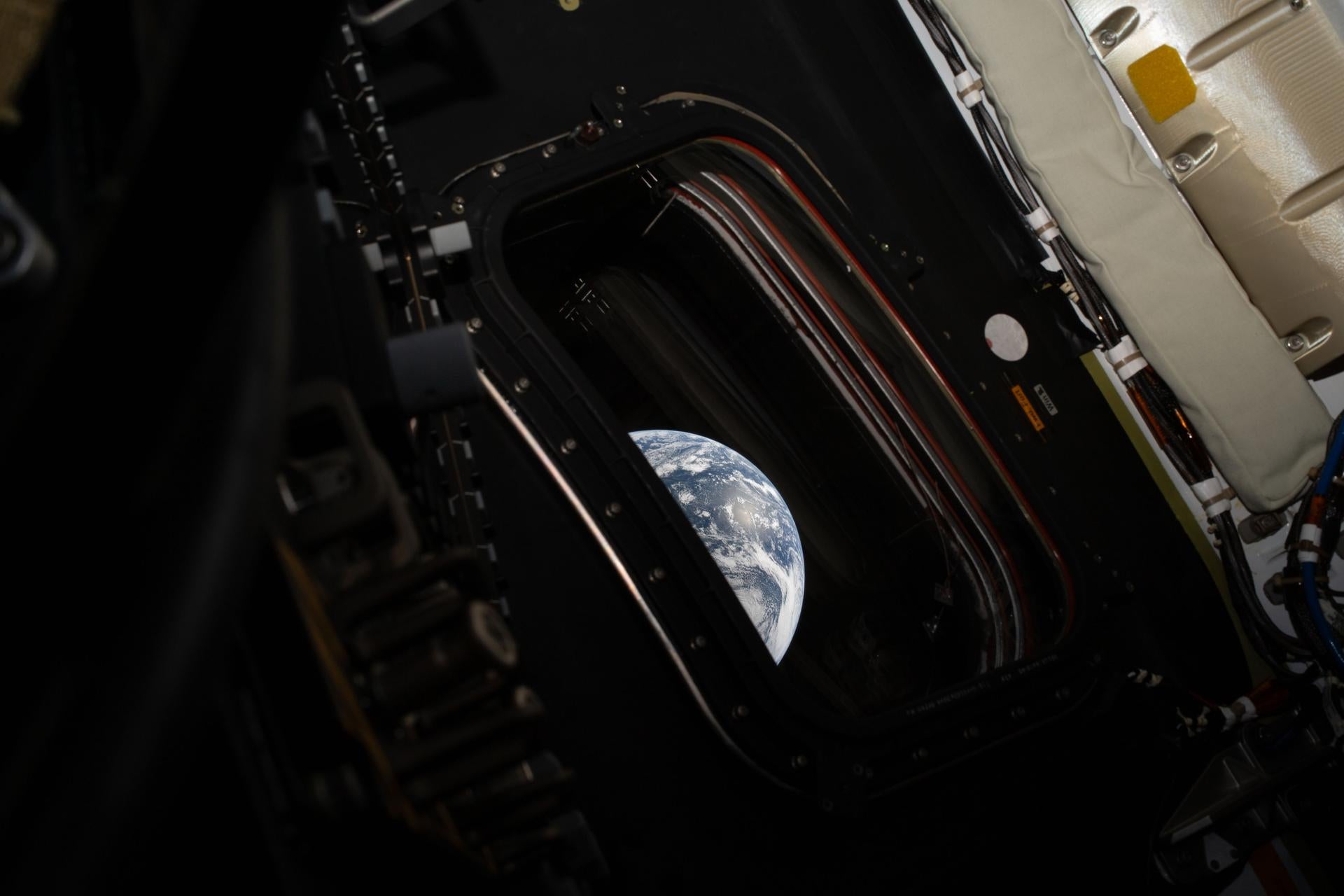
Earth as seen by Artemis II commander Reid Wiseman from the Orion spacecraft after the translunar injection burn.
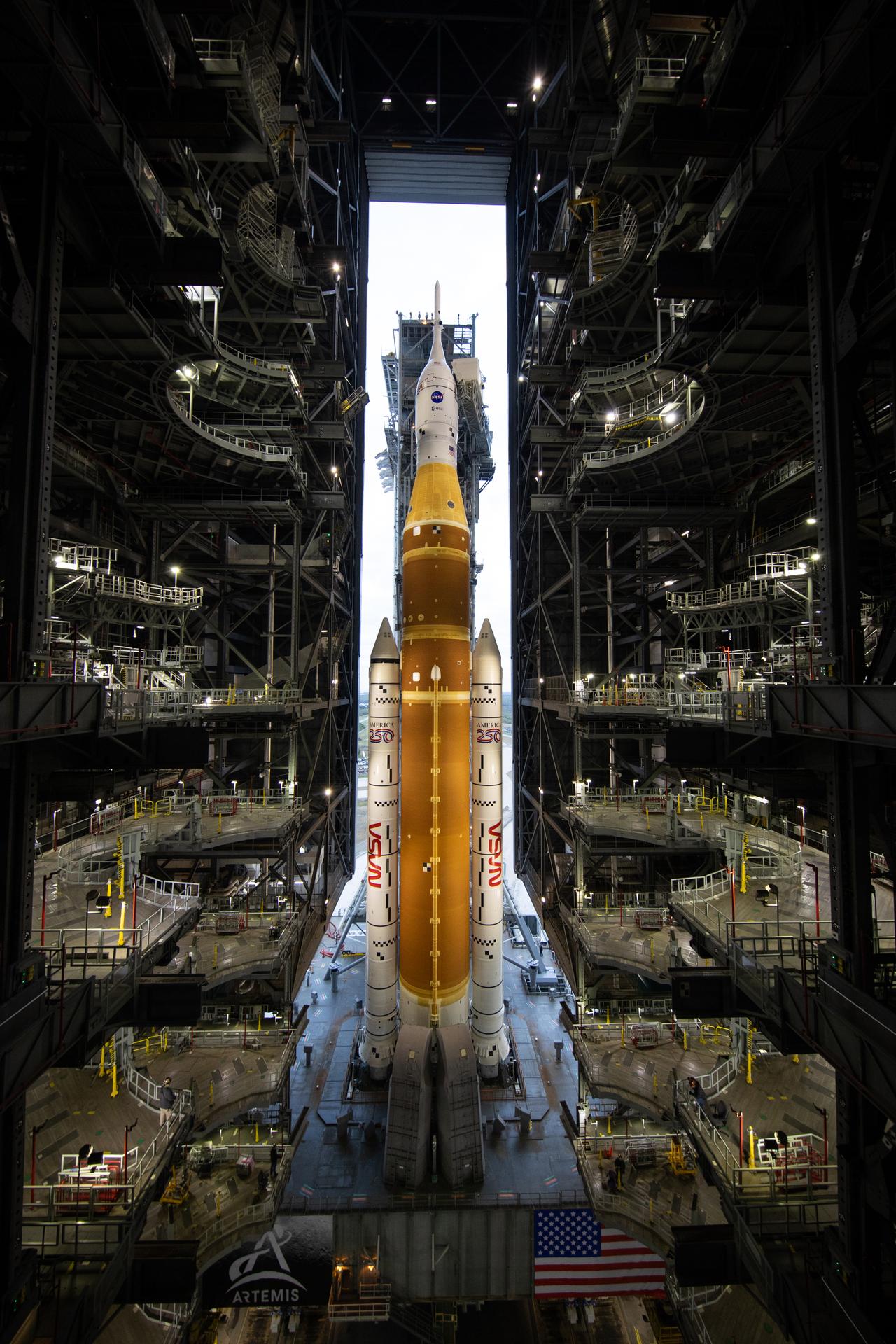
NASA’s Space Launch System rocket and Orion spacecraft roll out to Launch Pad 39B at Kennedy Space Center in Florida.

The Moon fully eclipsing the Sun.
For every reaction, there is an equal but opposite reaction. In the vacuum of space, there is no solid ground to brace against or modicum of friction provided by atmosphere, and so the act of breathing, sneezing, venting or any other process that relies on pressure differential will push the object or person that did it off course.
“It’s not the problem that I work on, but I do have to deal with some of the consequences of that,” Dannemiller said. “When we dump water overboard, it generates a force on the vehicle that pushes us off course.”
Even breathing can create problems for navigation. As the filtration systems on Orion process the carbon dioxide and humidity out of the air, it will vent the things the capsule cannot use into space. This, in turn, tests the navigation systems by introducing tiny misalignments that must be accounted for.
All this is done automatically. The astronauts are usually busy doing scientific research or managing checklists, though Dannemiller says they can take control of the automation if needed. Or, have the automation take over. Every scenario must be thought of, because there is no backup or other help line to call.
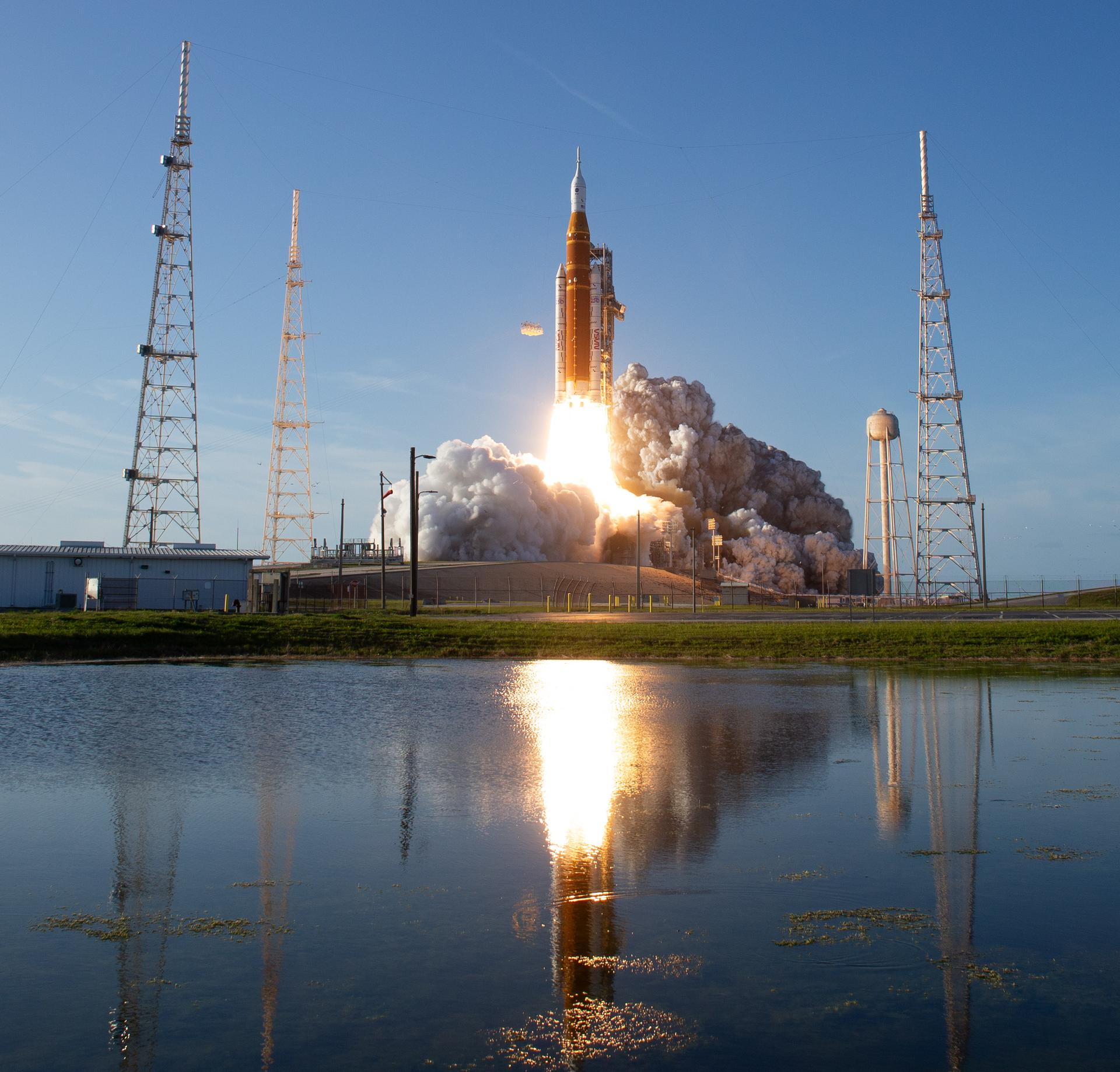
NASA’s Space Launch System rocket carrying Orion launches from Launch Complex 39B at Kennedy Space Center in Florida.
There are about 120 people working on the GNC for the Orion capsule, overseen by Jack Brazzel ( B.S. aerospace engineering 1989), the acting division chief for the Aeroscience and Flight Mechanics Division at Johnson Space Center.
“This was just one step in a big program,” said Brazzel.
“Ultimately, we’re trying to build a sustained human presence on the moon, right? Flying the crew on the vehicle for the first time, proving that we can get crew there and back safely—that was a huge step. But it was one step, one of many steps.”
“We learned a tremendous amount on this mission,” Frieling said.
Every campaign is a building block for the future. And the next phase is coming up with the Artemis III launch set for 2027.
The Artemis III mission will test rendezvous and docking capabilities with another vehicle, building another crucial block towards the ultimate goal of a continuous presence on the moon.
Spaceflight is a team sport.
Judd Frieling