Built at UT, Shaping the Future of Spaceflight
A career in aerospace rarely follows a straight line.
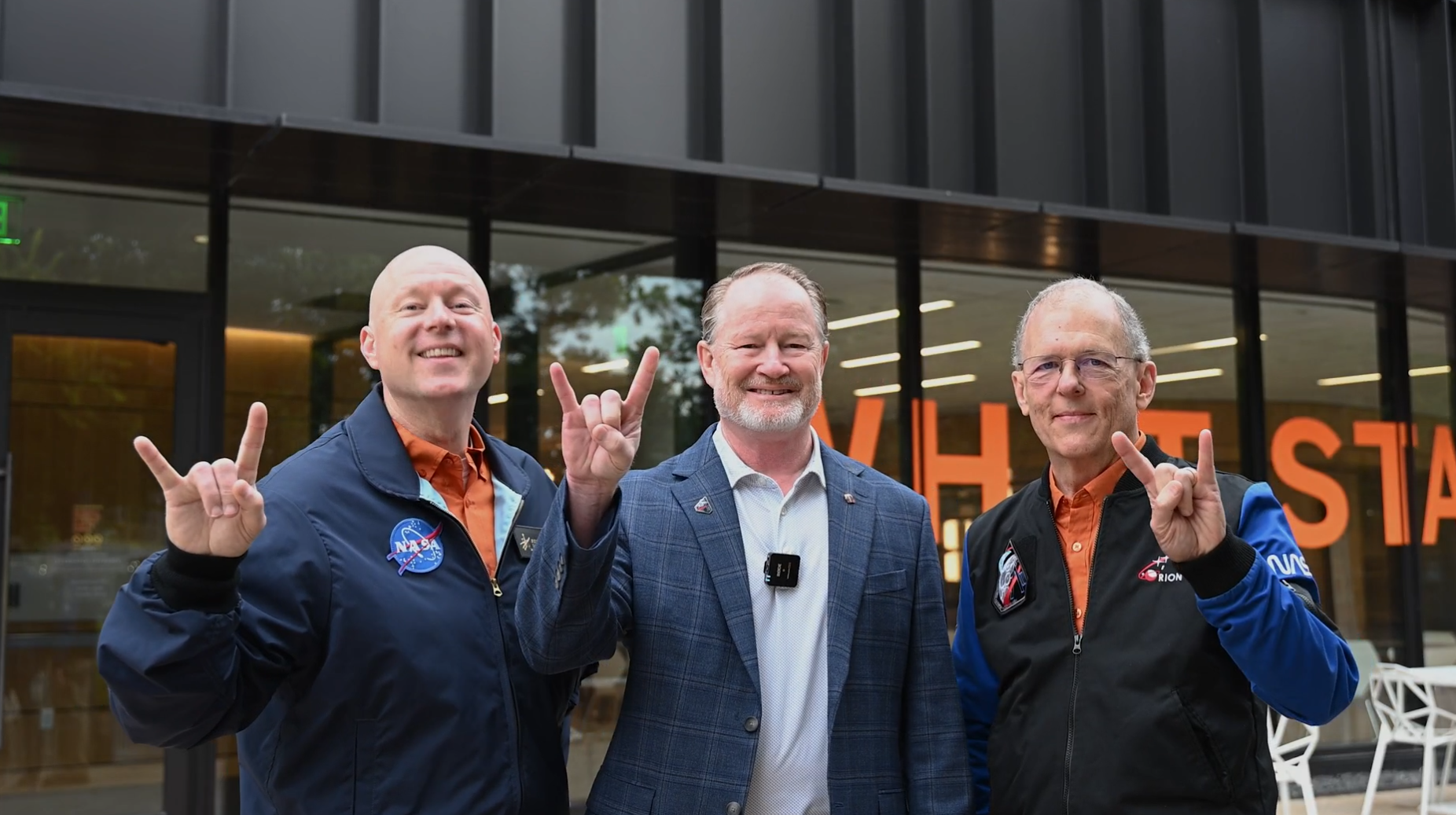
For four ASE/EM alumni — Jesus Charles, Buckner Newberry, Nathan Vassberg and Trent Martin — the journey began at The University of Texas at Austin, through student projects, hands-on engineering and opportunities that helped shape what came next.
Today, their careers span SpaceX, NASA, Firefly Aerospace and Intuitive Machines, with work contributing to programs and missions ranging from Starship to Artemis II and lunar exploration.
Their paths are different, but they share a lesson: Technical knowledge is essential, but the most important qualities of an aerospace engineer are the ability to build, communicate, take ownership and solve problems when there is no answer in the back of the textbook.
Those lessons begin at the Forty Acres.
Find a Way to Get Involved
For Buckner Newberry (B.S. aerospace engineering 2025), the path started before he knew exactly what he wanted to study.
When he arrived at UT in 2020, Newberry was an undeclared student with little exposure to engineering. He knew he liked math and science, and while considering what he wanted to do, he started researching what it would take to become an astronaut.
That led him to aerospace engineering — and then to the Texas Rocket Engineering Lab (TREL).
“I actually joined TREL before I got into aerospace engineering,” Newberry said. “It totally hooked me. Very quickly, I realized, ‘Oh, wait, I actually want to build these things.’”
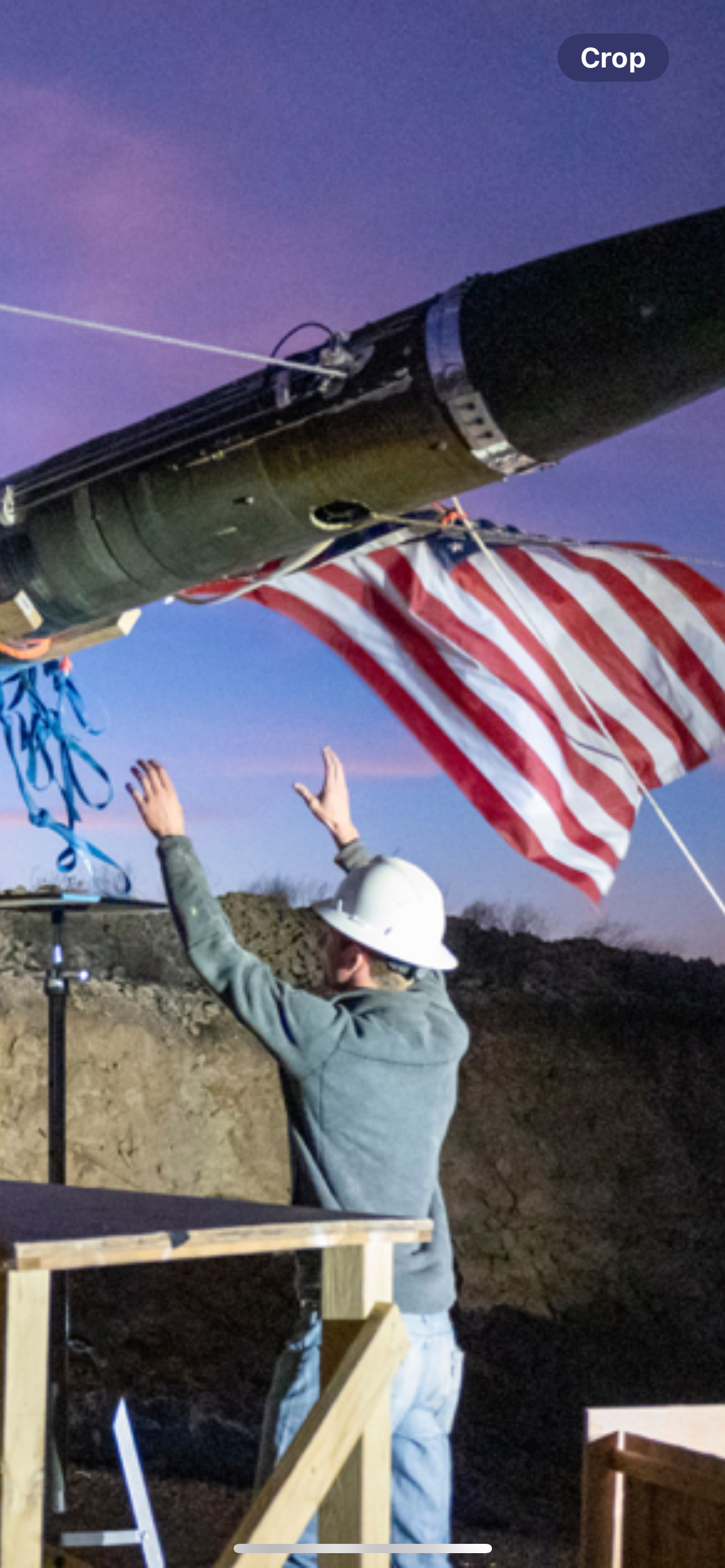
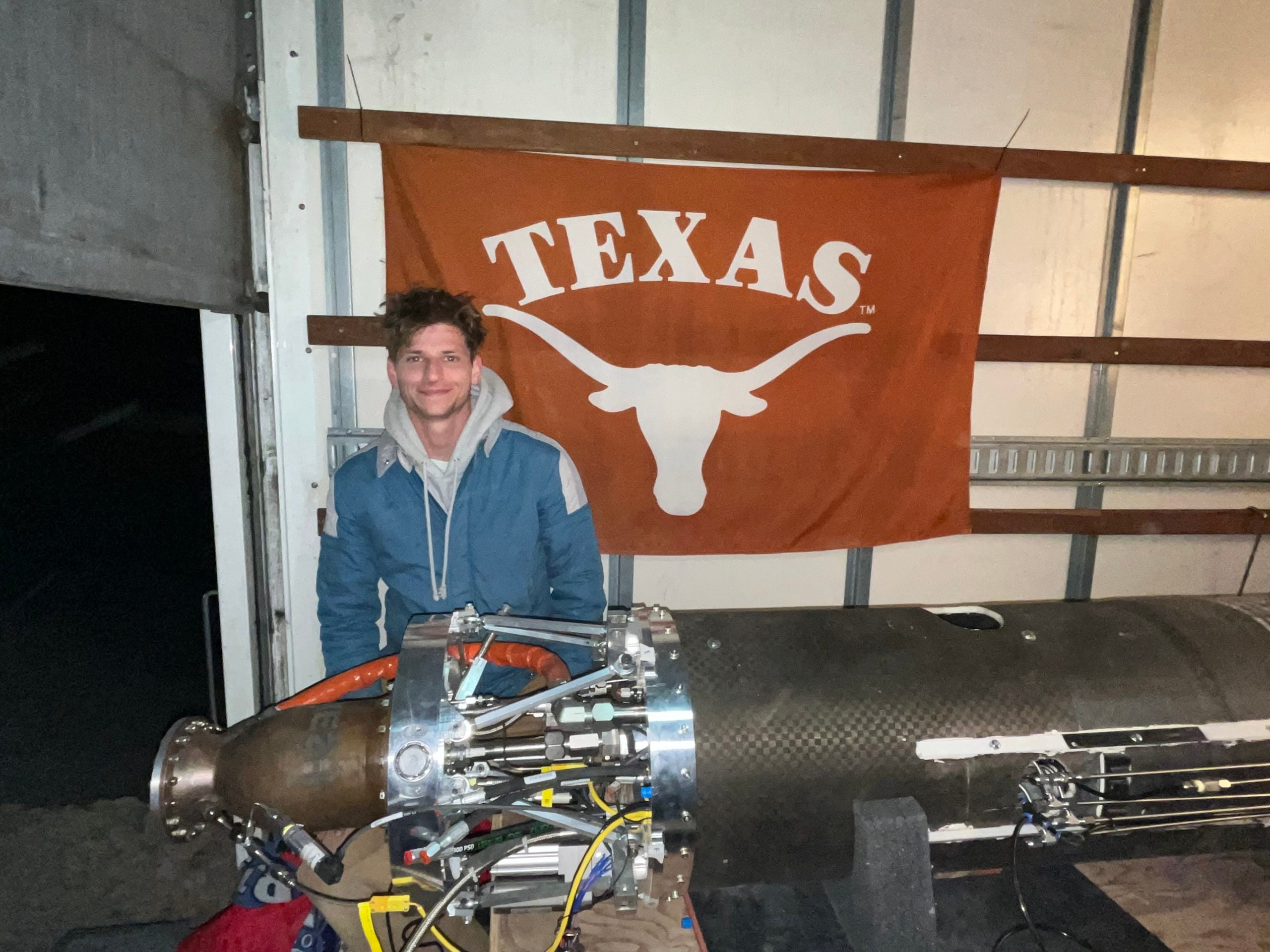
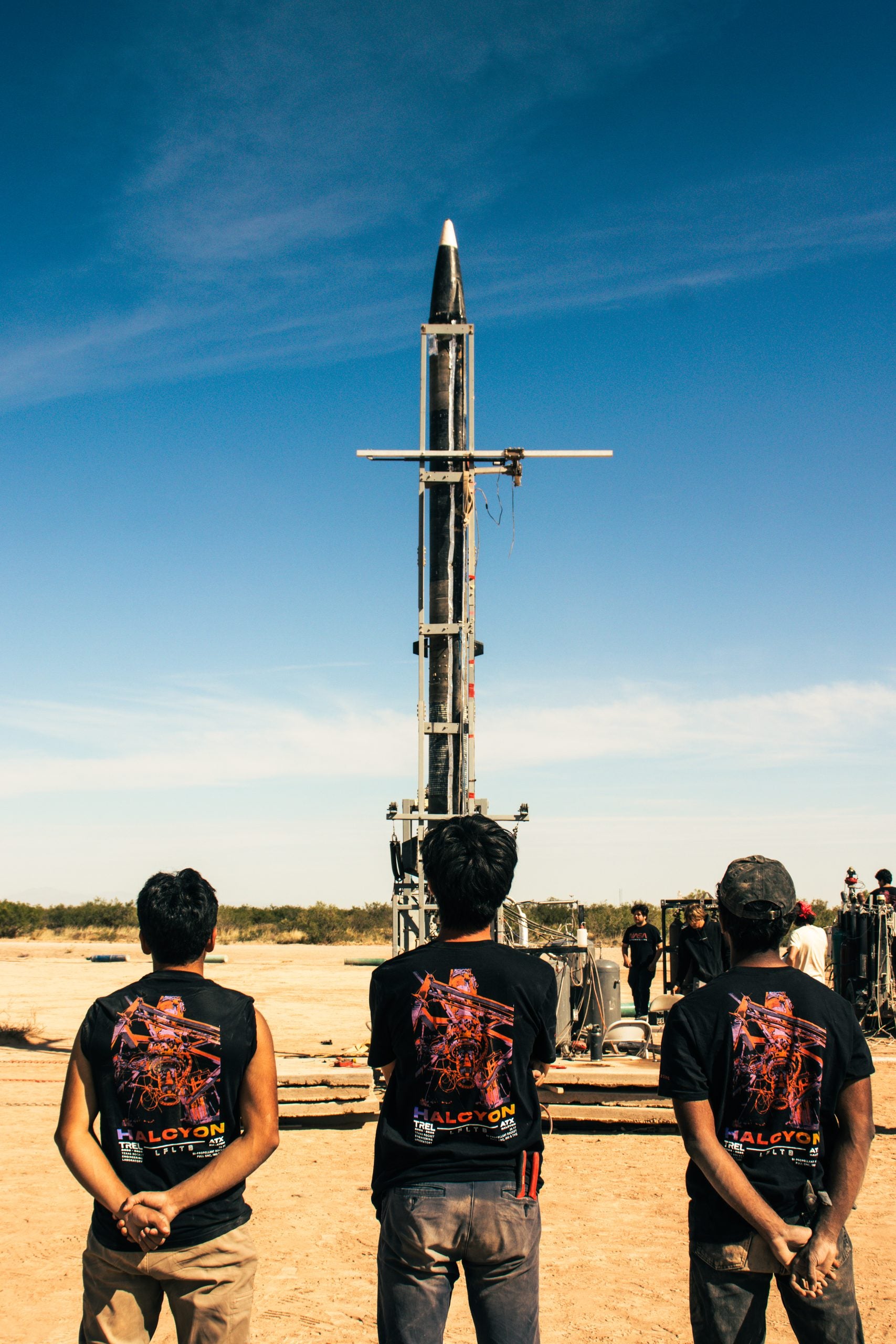
His experience with TREL progressed from testing rocket components to leading test efforts and, ultimately, helping a team of about 30 students design, build and test Halcyon, a large bi-propellant cryogenic rocket with an active guidance system designed to control its trajectory during flight, all in just six months.
The project gave him something a classroom alone could not: experience dealing with the reality of engineering.
A component that works perfectly in a CAD model might be difficult to remove for maintenance. A design might be technically sound but difficult to manufacture. A shortcut that saves time might create a new problem somewhere else.
Those lessons followed him into his career at SpaceX, where he works on Starship and continues to see TREL’s impact across the industry.
“Sometimes I’ll be in a meeting working through problems on Starship and look around the room and realize that almost everyone there was part of TREL. It feels like we’re back at school again.”
For Newberry, getting involved as a student did more than supplement his aerospace education. It helped him discover what kind of engineer he wanted to become.
“I really can’t overstate how much TREL did for my career and how much it’s prepared me for the work I’m doing here,” he said.
Learn by Building — and Failing
Hands-on experience was central to Nathan Vassberg’s (B.S. aerospace engineering 1991) education at UT, including a senior design project with Dr. Ron Stearman.
Vassberg and his team were developing a composite engine mount for a small hovercraft company. After completing the design and structural modeling, they traveled to San Antonio to build the mold for the fiberglass component.
The mold looked great.
There was just one problem: They had designed it so the finished part could not actually be removed.
The mistake became a lesson Vassberg carried throughout his career.
“You have to make everything you design and everything you work on practically buildable and practically usable,” he said.
That mindset became particularly valuable in his career at NASA, where he works in safety and mission assurance across human spaceflight programs. Rather than focusing on one technical area, he learned to look across complex systems, understand how their pieces interact and anticipate what could go wrong.
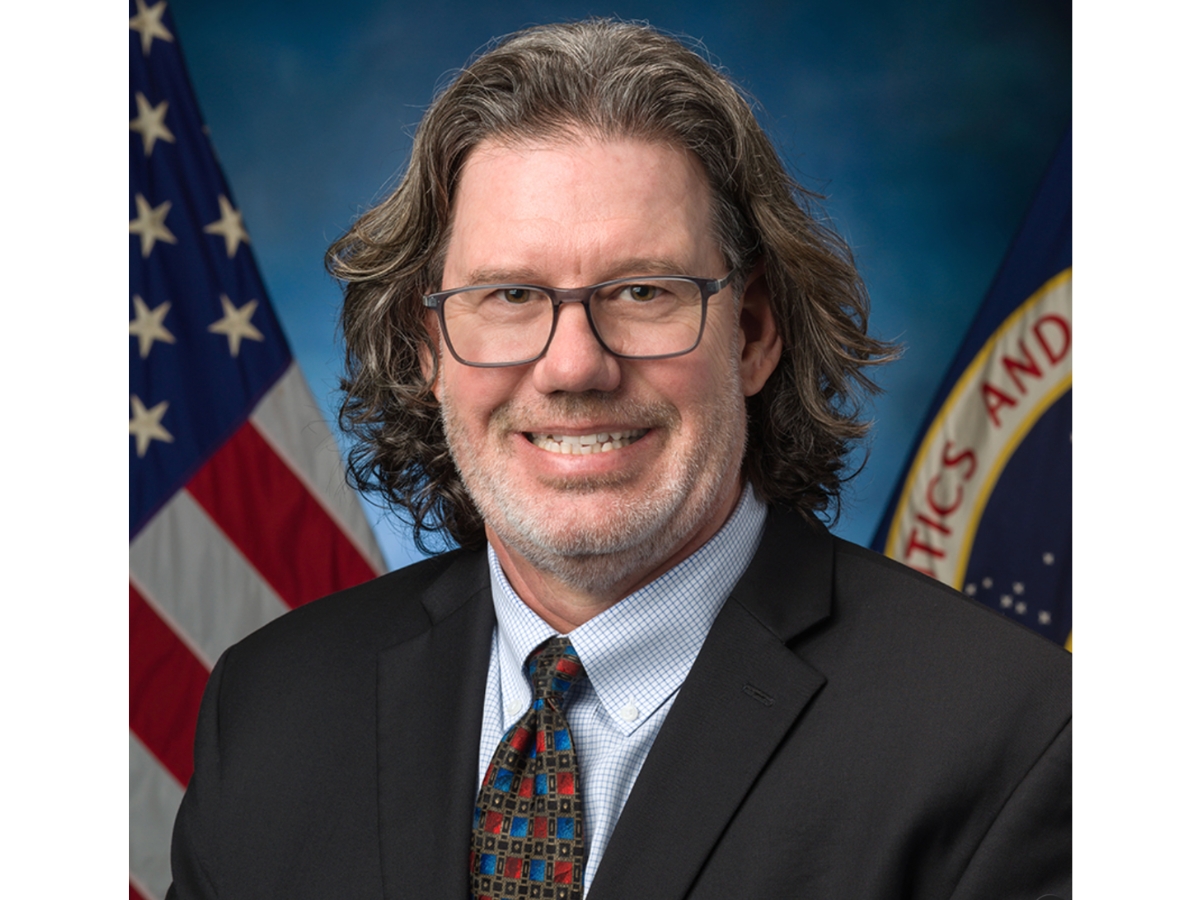
Nathan Vassberg
During Artemis II, Vassberg served as the lead safety official for the mission. His team spent the year before launch training and running simulations to prepare for potential failures and anomalies.
Even after a successful launch, the team remained focused through reentry.
“I think the moment I first relaxed in that 10-day period was when all of the parachutes came out and deployed properly,” Vassberg said. “We knew the crew was going to be OK.”
For Vassberg, Artemis II was the culmination of decades spent applying that same practical, systems-focused approach.
“Engaging in the Artemis II mission and capturing the interest of the entire world was nothing short of incredible. Now we take what we learned and move forward to the next steps toward an enduring presence on the Lunar Surface!”
The stakes were different from those of a senior design project, but the underlying lesson was familiar: A design is not finished when it works on paper. Engineers have to understand how it will be built, how it will perform and what could go wrong.
Learn How to Be an Engineer
For Jesus Charles (B.S. aerospace engineering 2013), that transition from classroom knowledge to engineering practice began in the Texas Spacecraft Laboratory (TSL).
Charles knew he wanted to become an engineer, initially considering mechanical engineering before choosing aerospace. At UT, a summer research opportunity gave him a chance to see what that choice could look like in practice.
He approached Dr. Lightsey, then head of TSL, with a project idea: He wanted to learn how the lab built CubeSats and use the experience for his summer research project.
By the end of the summer, Charles had found the kind of work he wanted to pursue.
“I really enjoyed working with my hands, learning how to build the spacecraft and taking what I learned in the classroom and applying it to the project.”
Years later, that same ability to translate engineering knowledge into action took Charles to the flight director’s console at Firefly Aerospace.
For Blue Ghost Mission 1, Charles led the mission operations team through the descent and landing activities as Firefly achieved the first fully successful commercial Moon landing. Preparing the Firefly operators included more than 500 hours of simulations, training the team to communicate, execute procedures and respond to anomalies together.
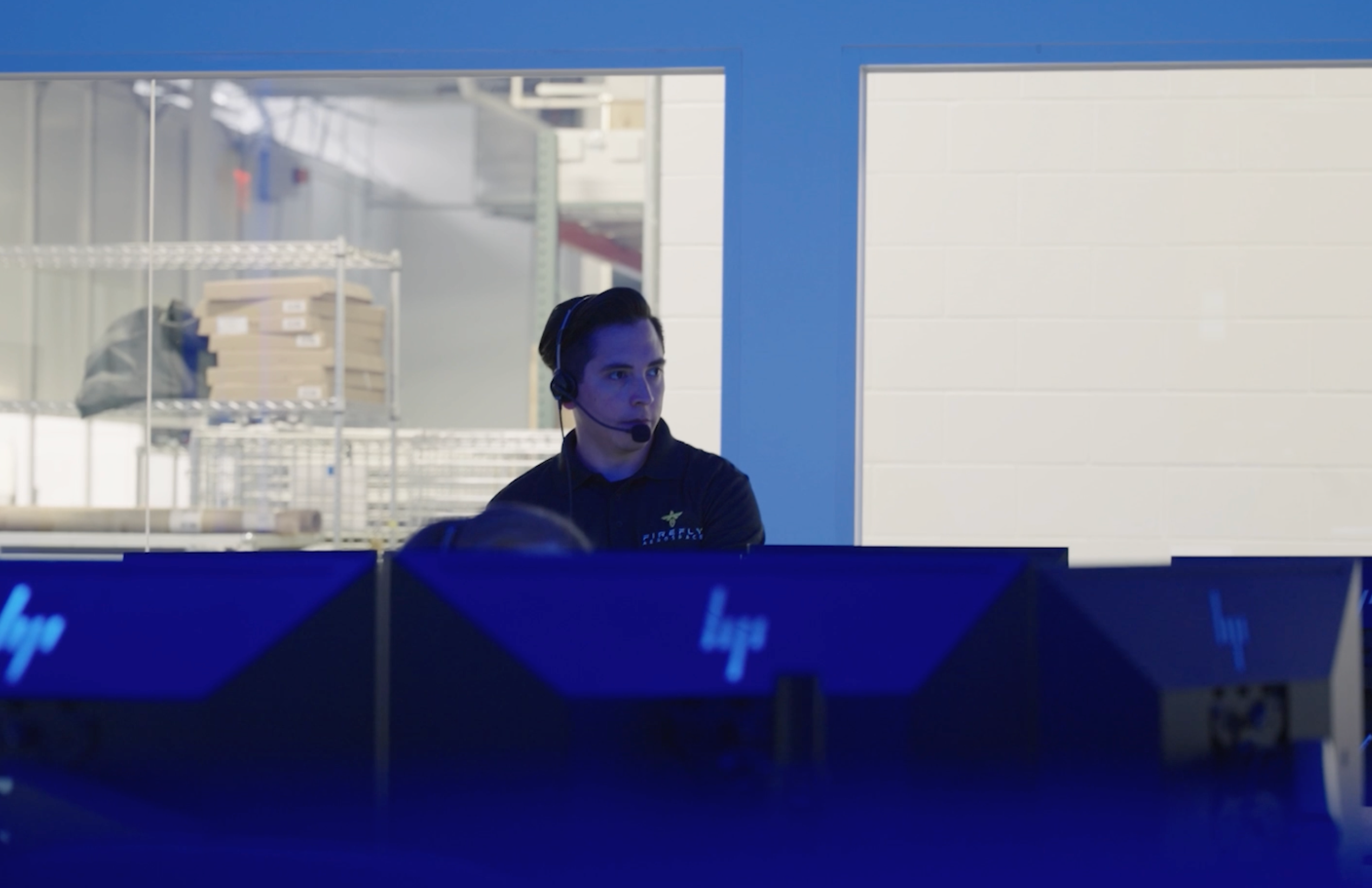
Jesus Charles, senior mission operations engineer for Firefly Aerospace’s uncrewed Blue Ghost Mission 1 spacecraft.
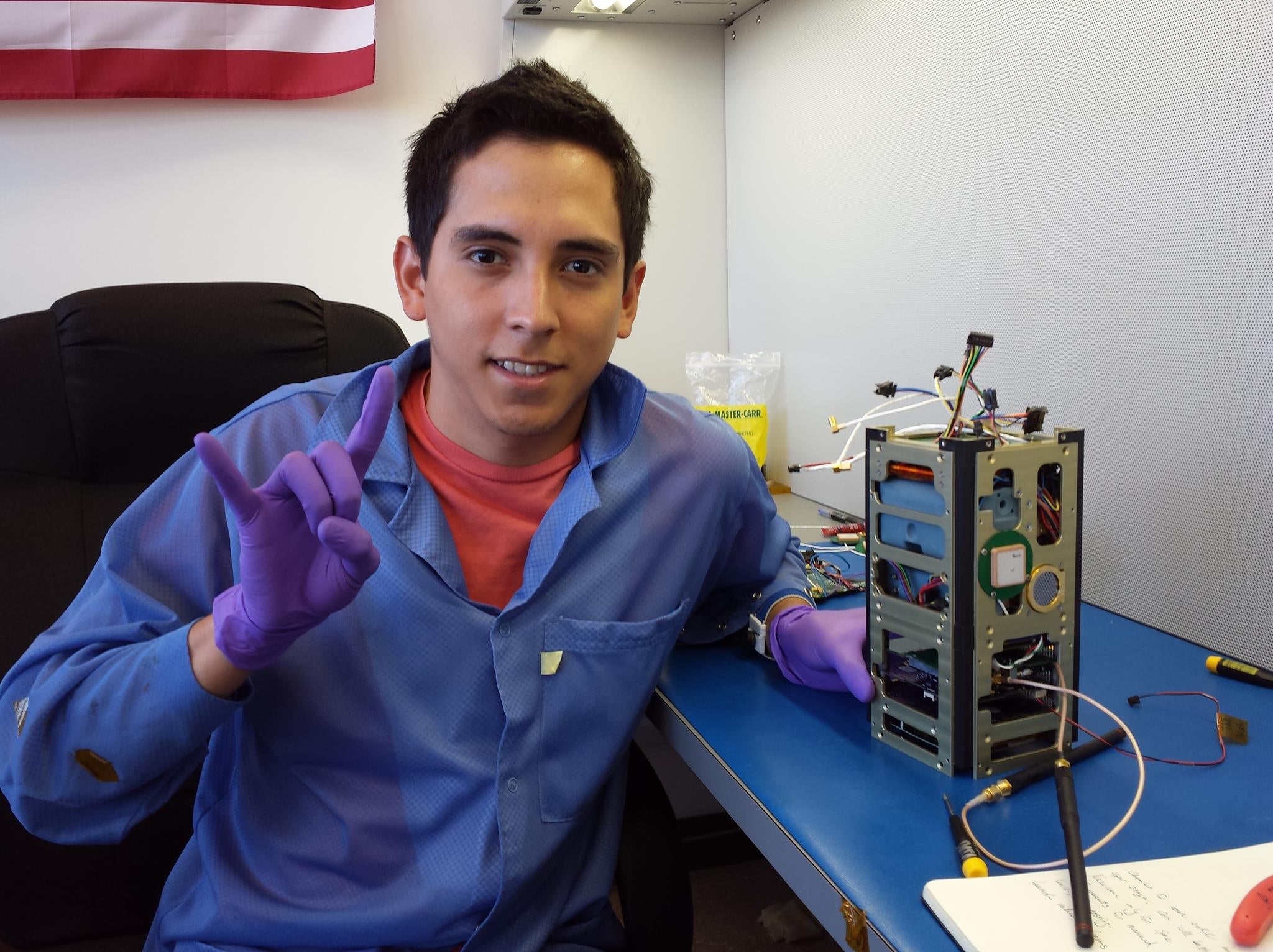
Jesus Charles integrates BEVO-2 during his time at the Texas Space Laboratory (TSL).
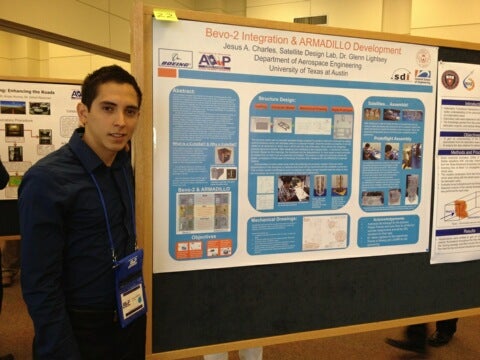
Jesus Charles presents a poster highlighting his summer research project and his first two months of experience at the Texas Space Laboratory (TSL).
Today, Charles sees ownership and curiosity as two of the most important qualities young engineers can develop.
“We’re looking for people who can lead with curiosity and back it up with ownership. I may not know all the answers, but I’m going to figure it out.”
Follow the Path Where It Leads
Trent Martin (B.S. aerospace engineering 1994) knew in fourth grade that he wanted to be an astronaut.
While he ultimately took a different path, that ambition led him to aerospace engineering and careers with Lockheed Martin, NASA and Intuitive Machines.
When Martin graduated from UT, the aerospace job market looked very different. He initially worked in oil and gas before returning to aerospace, eventually specializing in structural loads and dynamics.
His career eventually brought him to Intuitive Machines, where he is senior vice president of advanced flight systems and oversees the company’s lunar spacecraft portfolio.
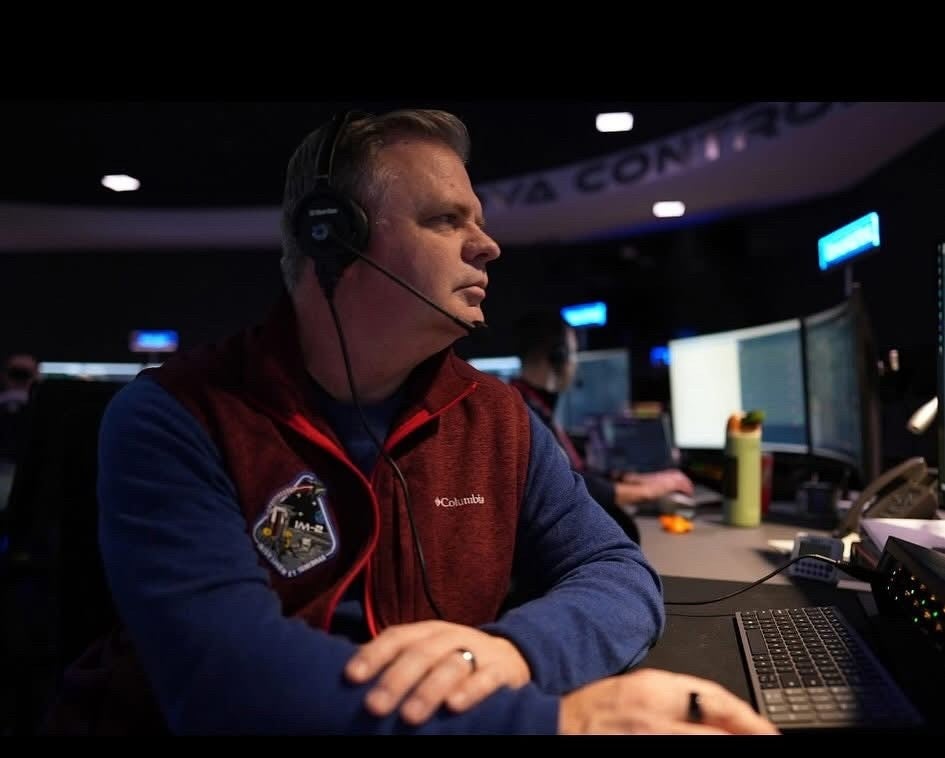
Trent Martin, IM-2 mission
In 2017, Martin joined Intuitive Machines and soon began working toward something he had long wanted to build: a lunar lander.
NASA’s announcement of the Commercial Lunar Payload Services program helped make that possible. In the years that followed, Intuitive Machines developed a lunar program spanning spacecraft, ground stations, a control center and mission operations.
“Watching that play out over the last six or seven years has been a dream of a lifetime,” Martin said. “When you first get interested in aerospace, what do you want to do? You want to go to the Moon, you want to go to Mars, you want to go to another planet. I’ve had the opportunity to do it.”
That opportunity became tangible when an Intuitive Machines lander successfully reached the lunar surface.
“To think about that machine sitting on the surface of the Moon and sending signals back is pretty profound,” Martin said.
Martin’s career is a reminder that the path from engineering student to aerospace leader may not always be direct. Sometimes it takes a detour. Sometimes it takes a second chance. Sometimes the opportunity you have been waiting for arrives years after you first imagined it.
Engineering Is a Team Sport
The technical problems may change from one project to the next, but one challenge remains: Aerospace is too complex for anyone to solve alone.
For Martin, communication is the most important skill he emphasizes with his employees.
“I have a list of 14 rules that I teach my employees, but the most critical skill I talk about is communication,” he said. “Communication is the key to all problems and the solution to all problems.”
At Firefly, Charles saw that firsthand while preparing Blue Ghost for its lunar landing. More than 500 hours of simulations were not just about practicing procedures. They were about learning how to communicate and work as a single unit when the spacecraft was thousands of miles away.
At NASA, Vassberg’s work in safety and mission assurance required teams to look at a problem from multiple perspectives and anticipate how one decision could affect an entire system.
And at TREL, Newberry learned that building a rocket meant bringing together students with different skills and perspectives to solve problems no one person could tackle alone.
“Now, I think I value skills like ownership, communication or systems thinking,” Charles said. “When you can recognize problems, bring people together and find solutions, you realize that often the most difficult problems aren’t technical — they’re coordination problems.”
A Changing Aerospace Landscape
The need for those engineers is growing as the aerospace industry changes — particularly in Texas.
Charles has watched the state’s aerospace ecosystem evolve from one largely centered around NASA Johnson Space Center and traditional aerospace companies into a broader network of commercial launch providers, spacecraft companies, startups, universities and government partners.
That growth is changing what the industry needs from new engineers.
Universities such as UT Austin have a role to play in preparing that workforce — not only through technical education, but through opportunities for students to work on real projects, collaborate with others and learn what it means to take ownership of a problem.
For today’s students, the next step does not have to be a lunar mission. It can be a student organization, a senior design project, a research opportunity, an internship or simply a project they decide to take on themselves.
What matters is starting.
Because the engineers who will build what comes next are already learning how to do it.